Research series

Hidden Power: Dynasties, Secret Societies and the Invisible Mechanisms of Power

A 55-part research series in eight sections on families, secret societies, initiatory orders, religious and occult traditions, contemporary influence networks and the psychology of power. It distinguishes documented facts from hypotheses and unsupported generalizations.

55 articles 55-part series
Series sequence

55 articles in reading order

Series chapter

I. Nature of Hidden Power

The distinction between visible authority and informal influence.

4
Series chapter

II. Families, Dynasties and Secret Bloodlines

Family succession, social networks and the examination of bloodline claims.

10
Series chapter

III. Secret Societies and Initiatory Orders

The history of secret societies, hierarchies, rituals and public influence.

7
A group of Freemasons in an imagined late-eighteenth-century lodge; the host reaches out to a younger man, members sit around a table with builders’ tools, and a town is visible through the window. Part 16 / 55

Freemasons: A Brotherhood Behind Closed Doors

Freemasonry has attracted attention for centuries precisely because it brings together things that seem contradictory: publicly identifiable institutions, charitable work and an emphasis on personal ethics on the one hand, and closed meetings, initiation ceremonies and traditional means of recognising fellow members on the other.

Read article
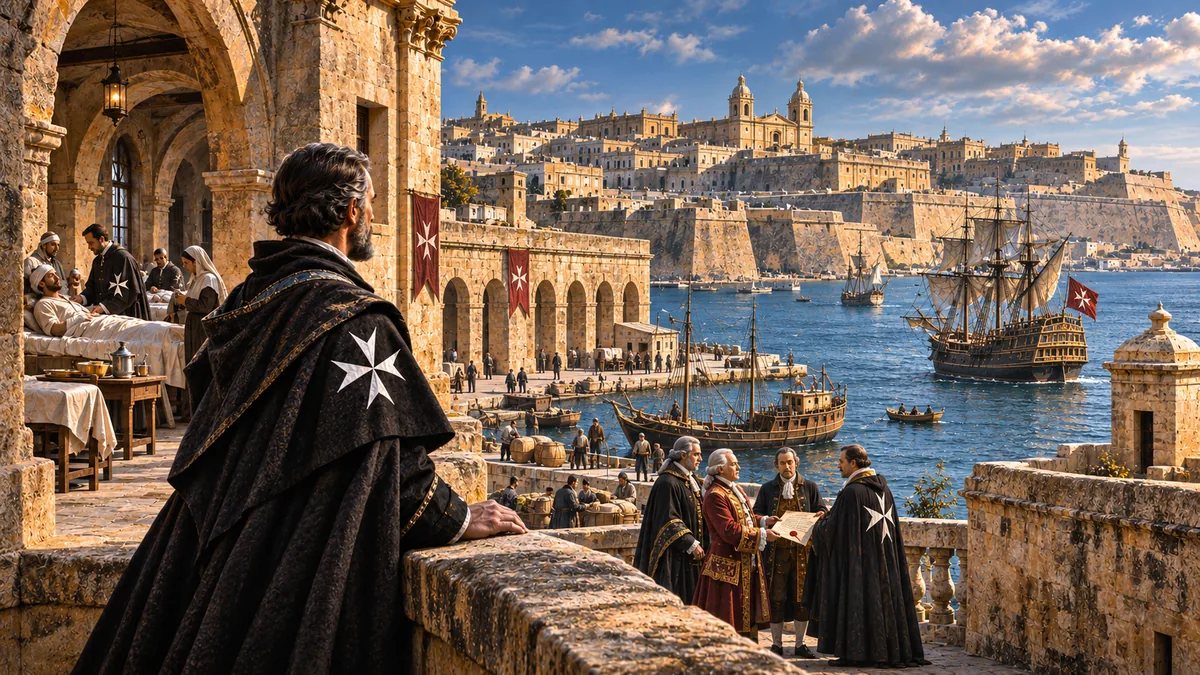
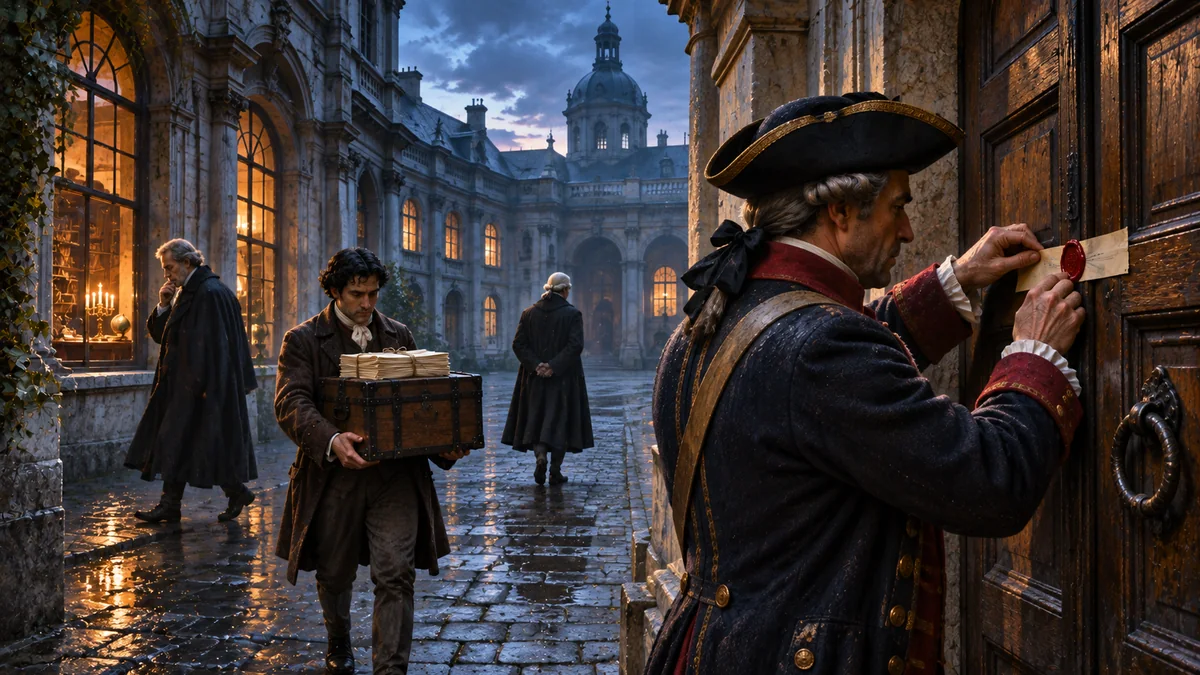
Artistic illustration of a late eighteenth-century Bavarian courtyard: an official seals a wooden door while another man carries away a chest of papers. Part 19 / 55

The Illuminati: The History of a Banned Order

In 1784–1785, measures taken by the Bavarian authorities against secret societies also prohibited the Illuminati, an order whose founder believed society could be transformed by carefully educating people who would gradually assume positions of importance.

Read article
Series chapter

IV. Occultism, Religion and Ritual

Esoteric traditions, religious institutions, symbols and documented cases.

11
In a Renaissance study, an older teacher reveals part of a manuscript to a younger pupil while another part remains in shadow. Part 22 / 55

Occultism: Knowledge Hidden from the Uninitiated

Who decides which knowledge is available to everyone and which is reserved for a select few? Throughout the history of religion and philosophy, we repeatedly encounter the idea that deeper understanding cannot be reached simply by reading books: a person also needs inner preparation, a teacher, or a particular experience.

Read article
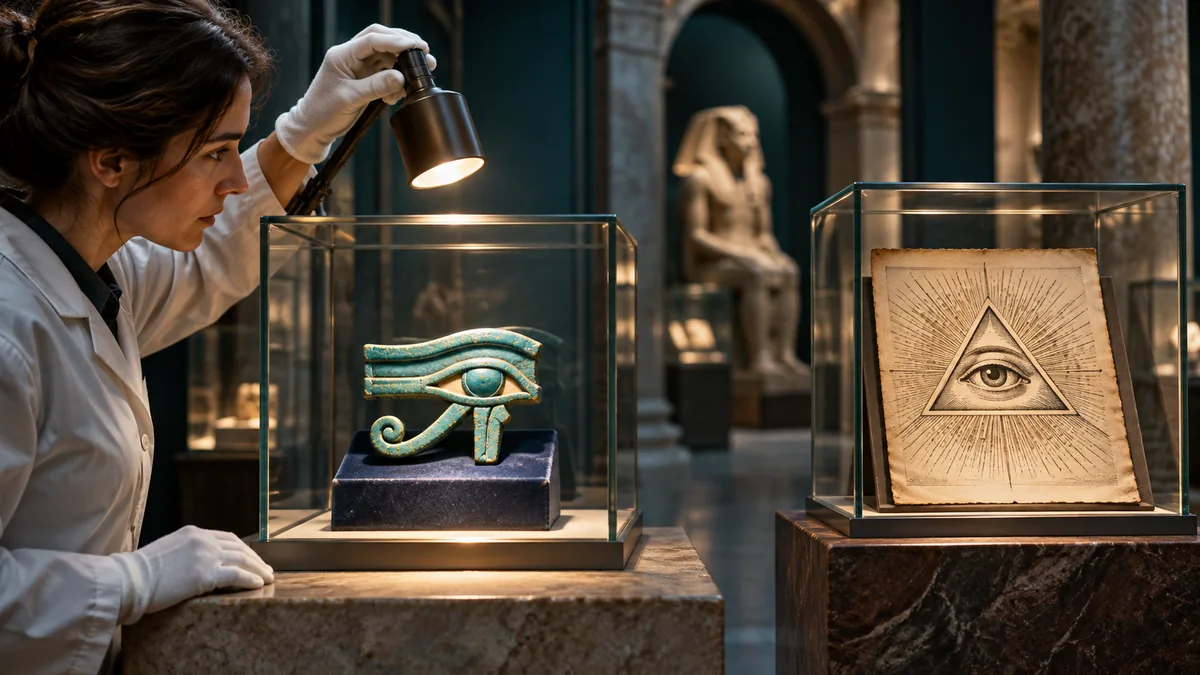
Series chapter

V. Contemporary Elite Networks

Meetings, organizations and networks of influential people.

6
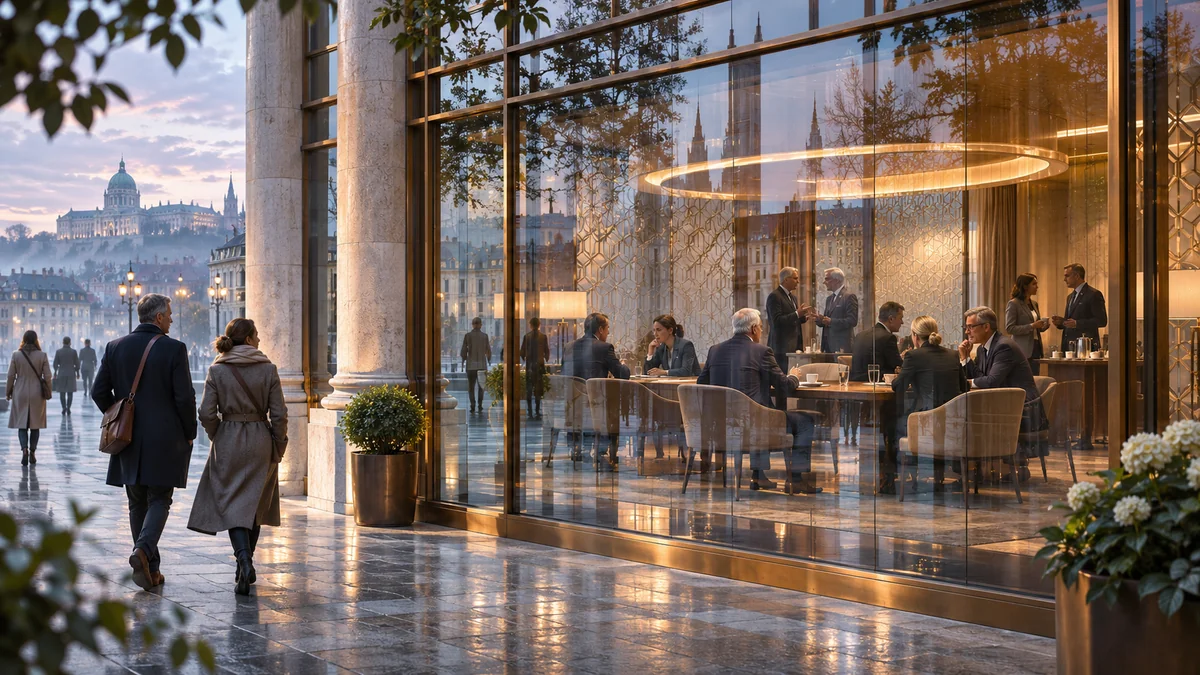
Three researchers discuss and exchange material around a globe and worktable; a separate public institution stands in the background. Part 36 / 55

CFR and the Trilateral Commission

Before a foreign-policy decision reaches parliament, the president, or the public, it may already have been discussed for months among researchers, business leaders, and experienced politicians.

Read article
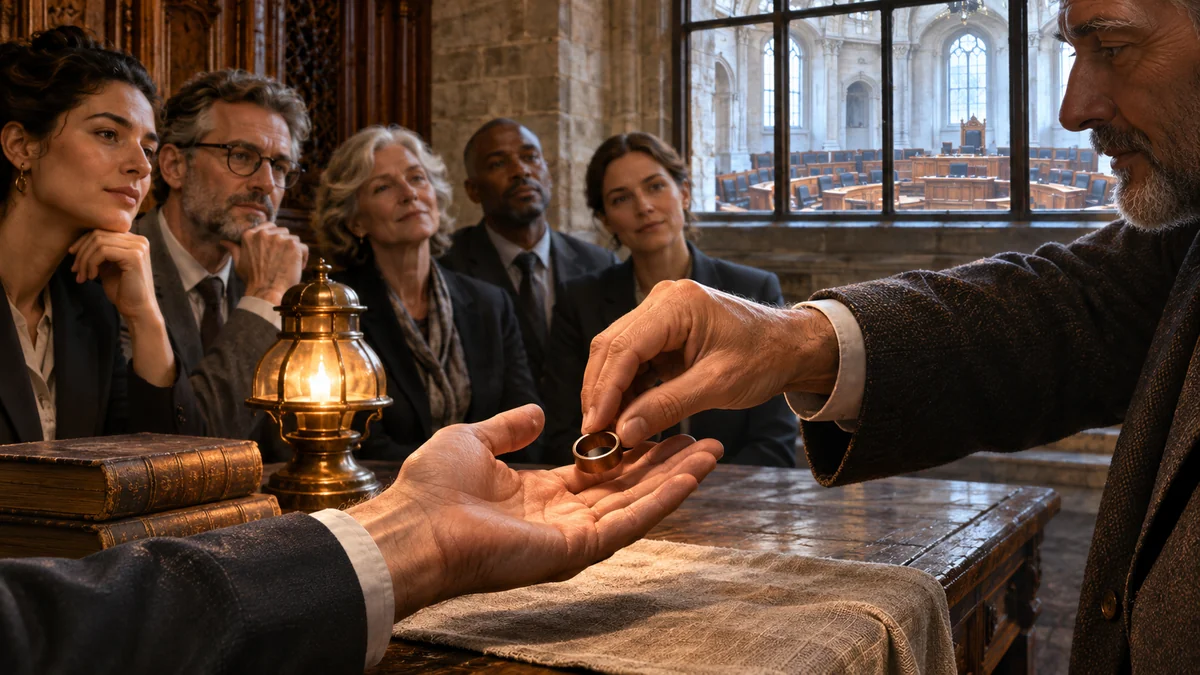
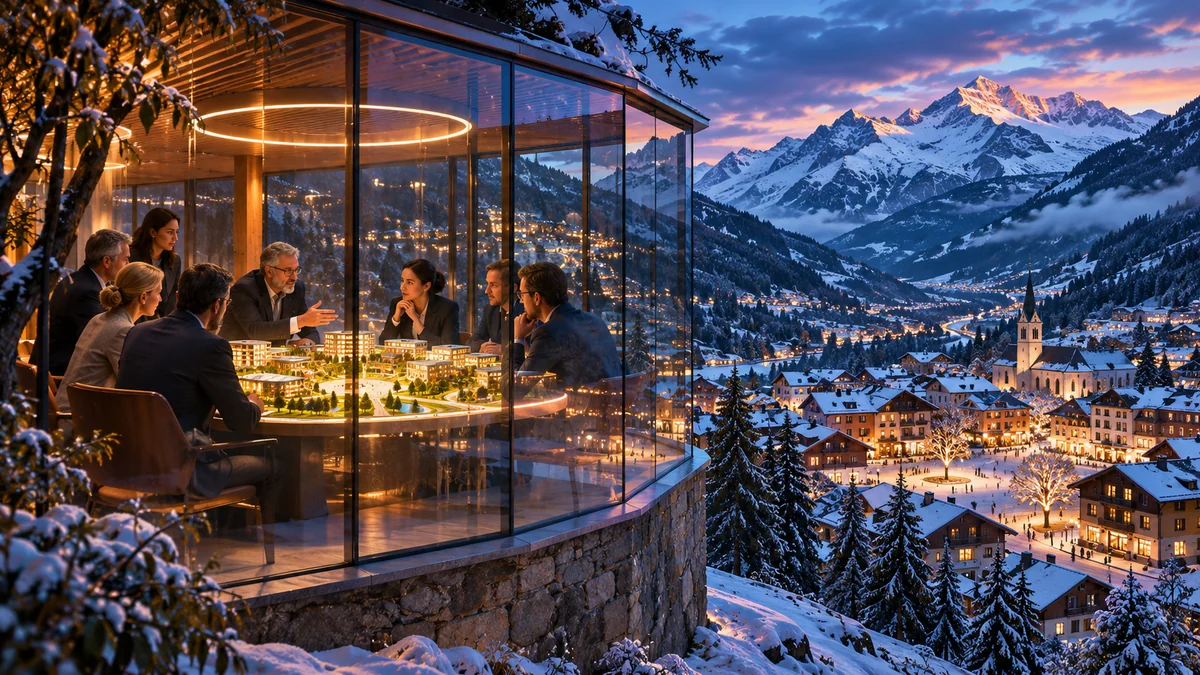
A glass conference pavilion above a snowy Alpine town, where participants discuss an illuminated model of a future city while the real town spreads across the valley below. Part 37 / 55

The World Economic Forum and Shaping the Future

Every year, people who rarely sit around the same table in everyday life gather in Davos, Switzerland: heads of state, ministers, executives of major companies, representatives of international institutions, researchers and members of civil society.

Read article

Series chapter

VI. Invisible Mechanisms of Power

Intelligence agencies, covert operations, blackmail and oversight.

6
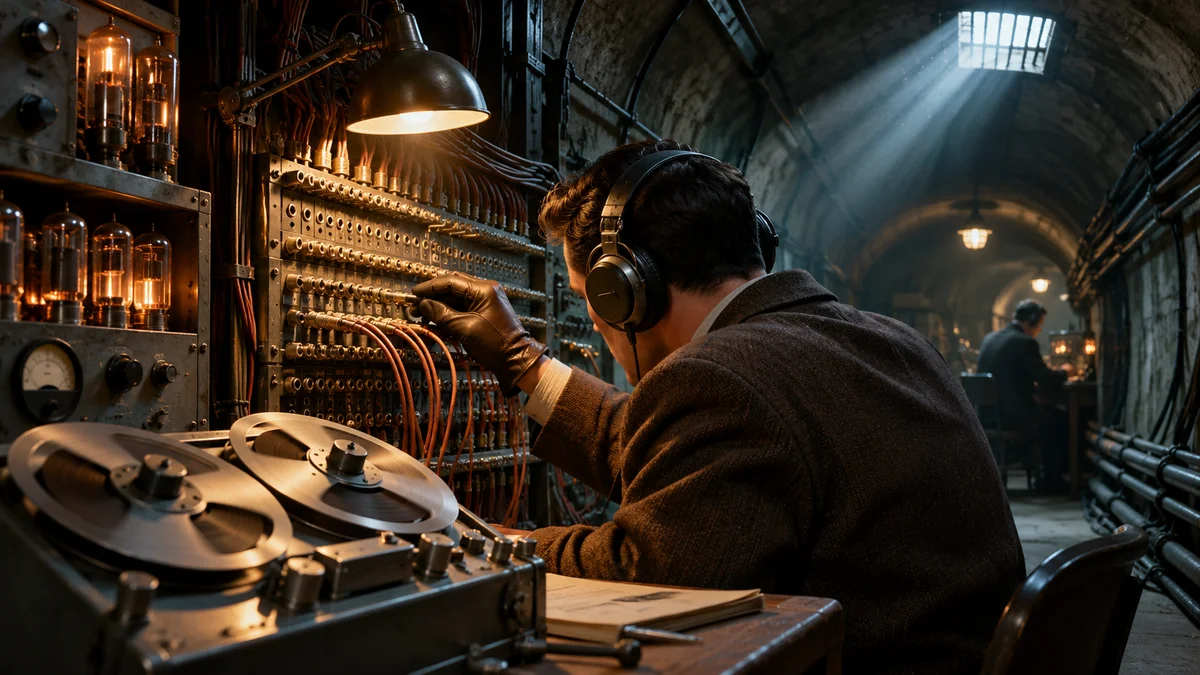
Artistic depiction of an intelligence technician in an underground tunnel with analog interception equipment, cables, and a recorder, symbolizing covert information gathering during the Cold War. Part 40 / 55

Intelligence Services and Covert Operations

Beneath divided Berlin in the 1950s, an operation was underway that would be difficult to describe with the word “espionage” alone. The American CIA and Britain's Secret Intelligence Service (SIS, or MI6) used a tunnel to reach underground communications lines on the eastern side of the city.

Read article
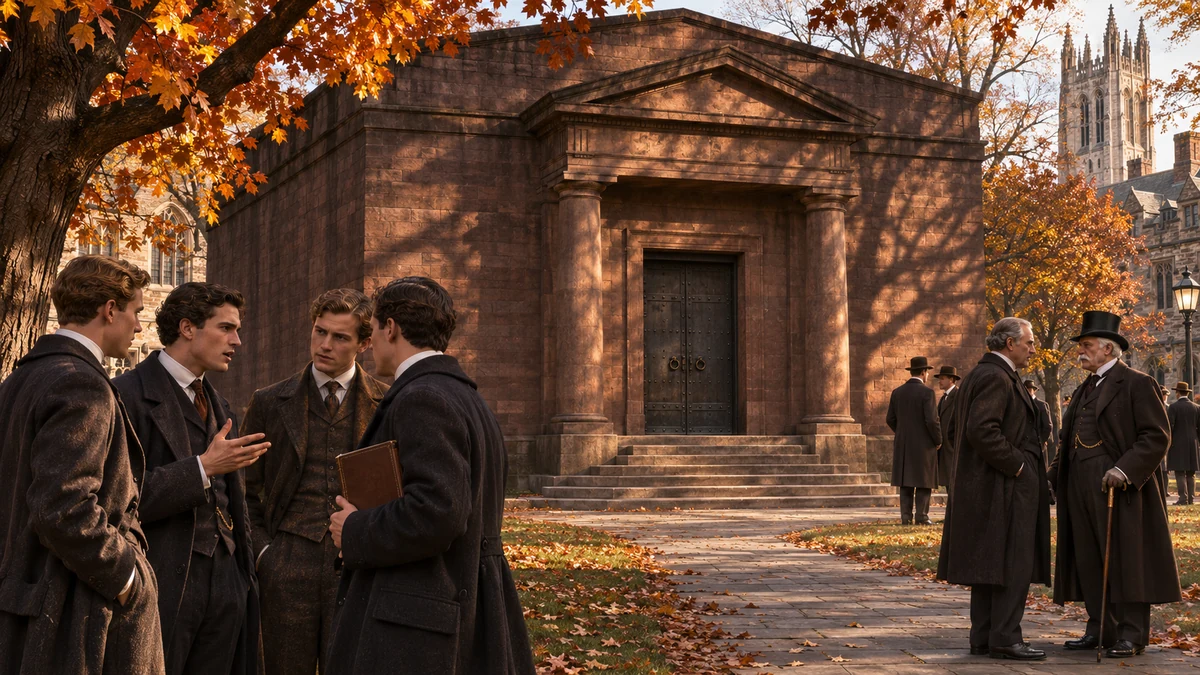
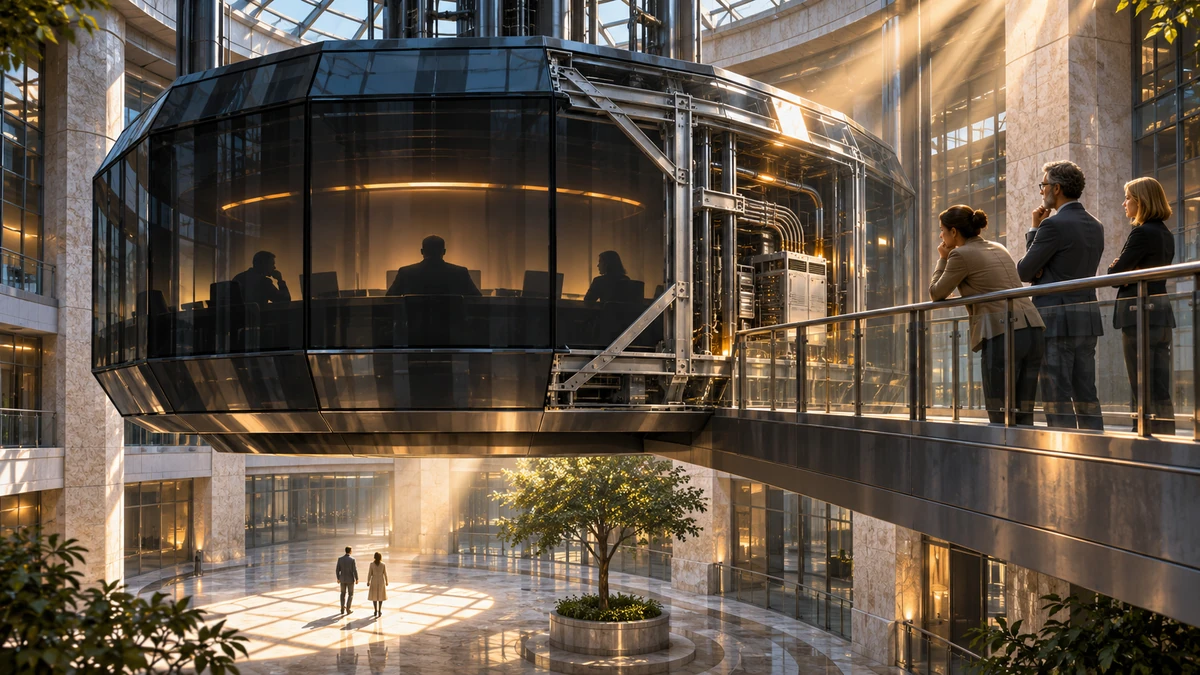
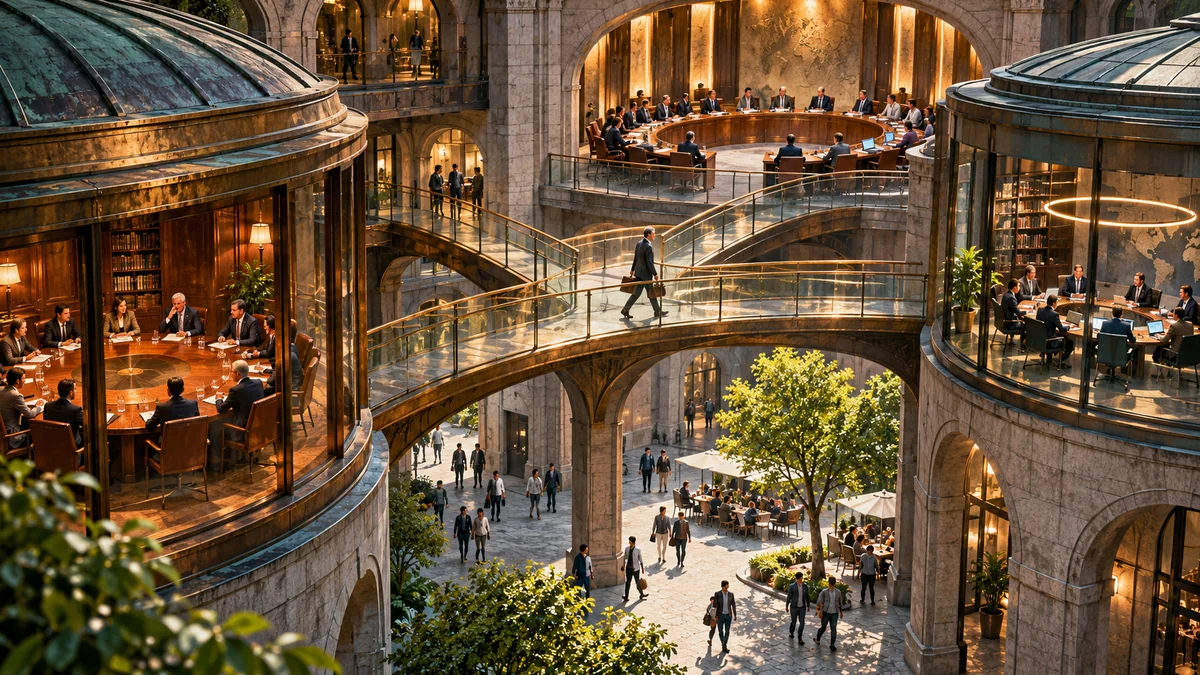
In a sunlit atrium, three people on an upper gallery observe a glass-walled control room with anonymous operators, while two people walk below. Part 44 / 55

Who Watches Those Who Watch Us?

When the state invokes security, we entrust it with powers we would grant to almost no one else: to gather information, monitor threats, and sometimes act without the public knowing its plans.

Read article
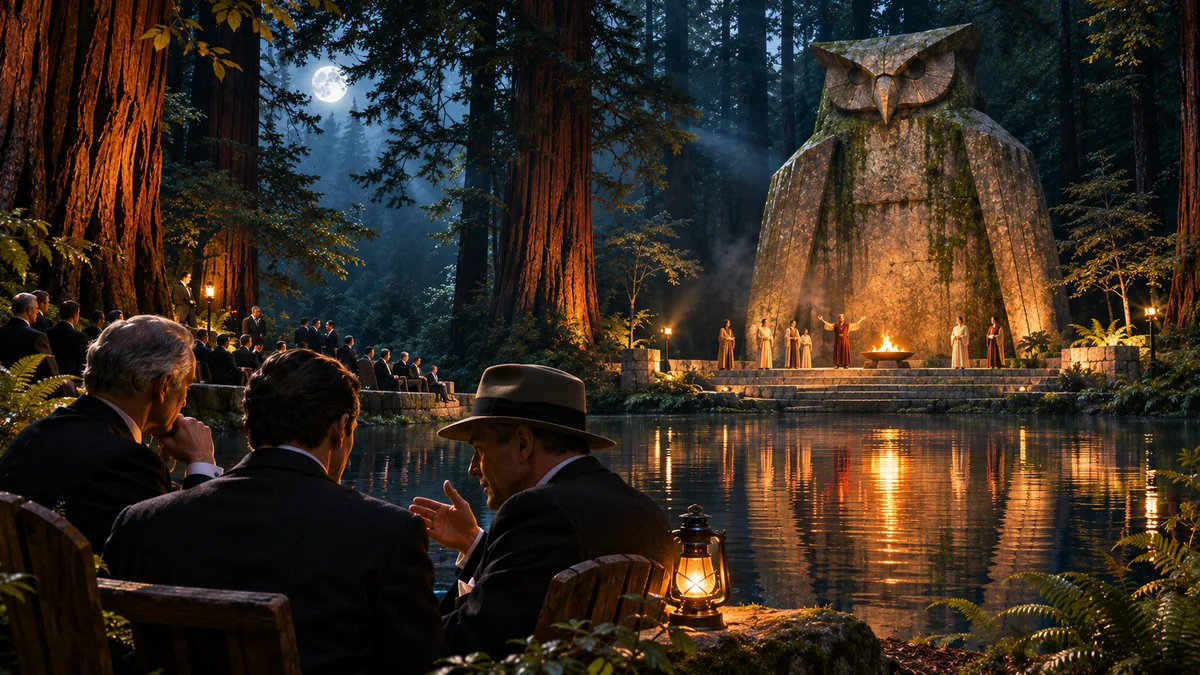
Series chapter

VII. Psychology of Power and Human Control

Propaganda, judgment, obedience and social control.

6
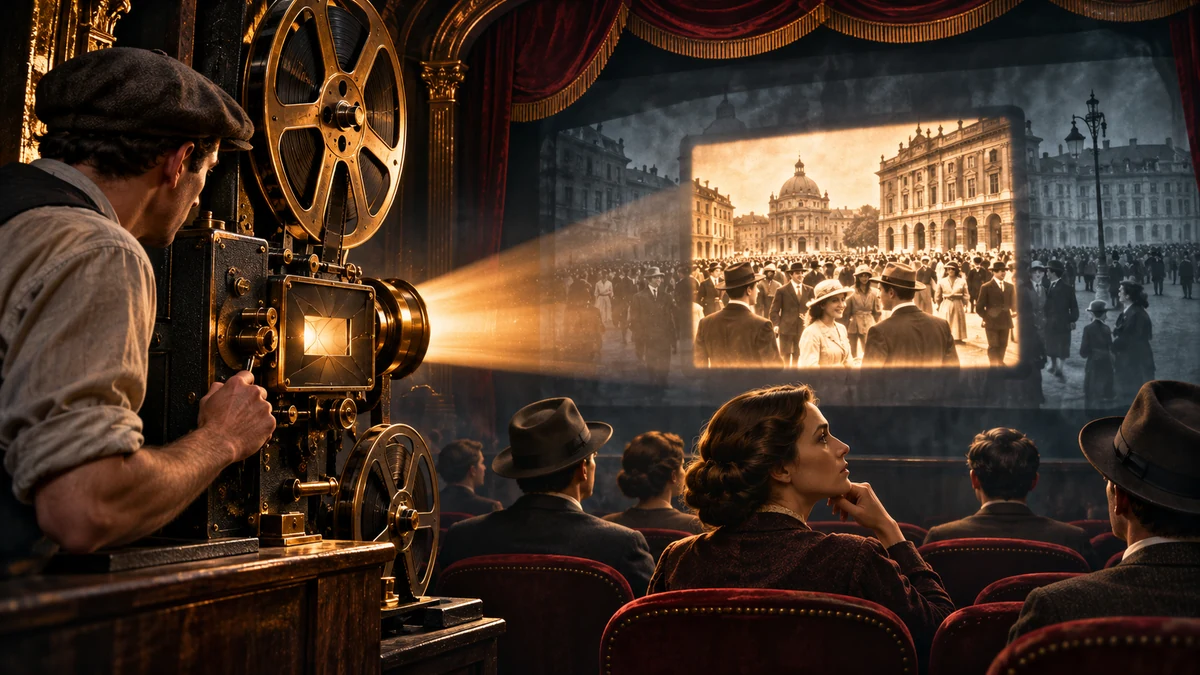
In a historically inspired cinema, a film projector illuminates a cropped crowd scene on the screen while a wider scene remains in shadow. Part 45 / 55

Propaganda: The Art of Shaping Reality

In 1917, the American government's propaganda apparatus could address citizens during an ordinary visit to the cinema. During the break to change a film reel, a speaker would step before the audience with a few minutes to deliver a message about the war and citizens' duties.

Read article
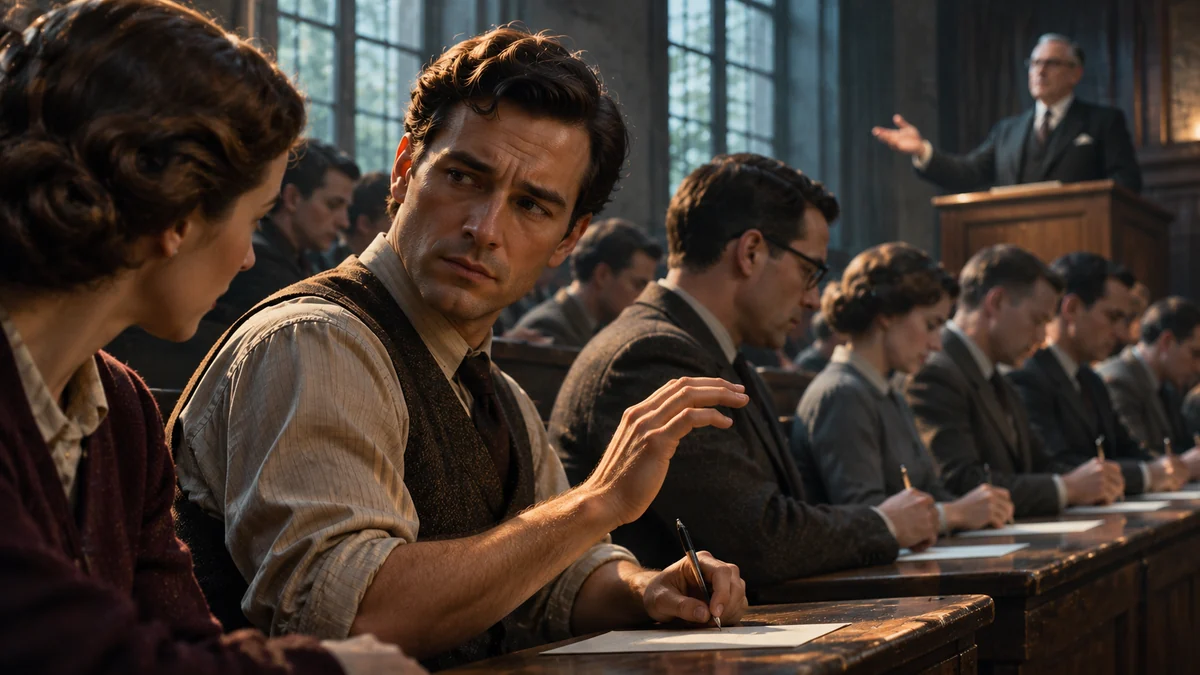
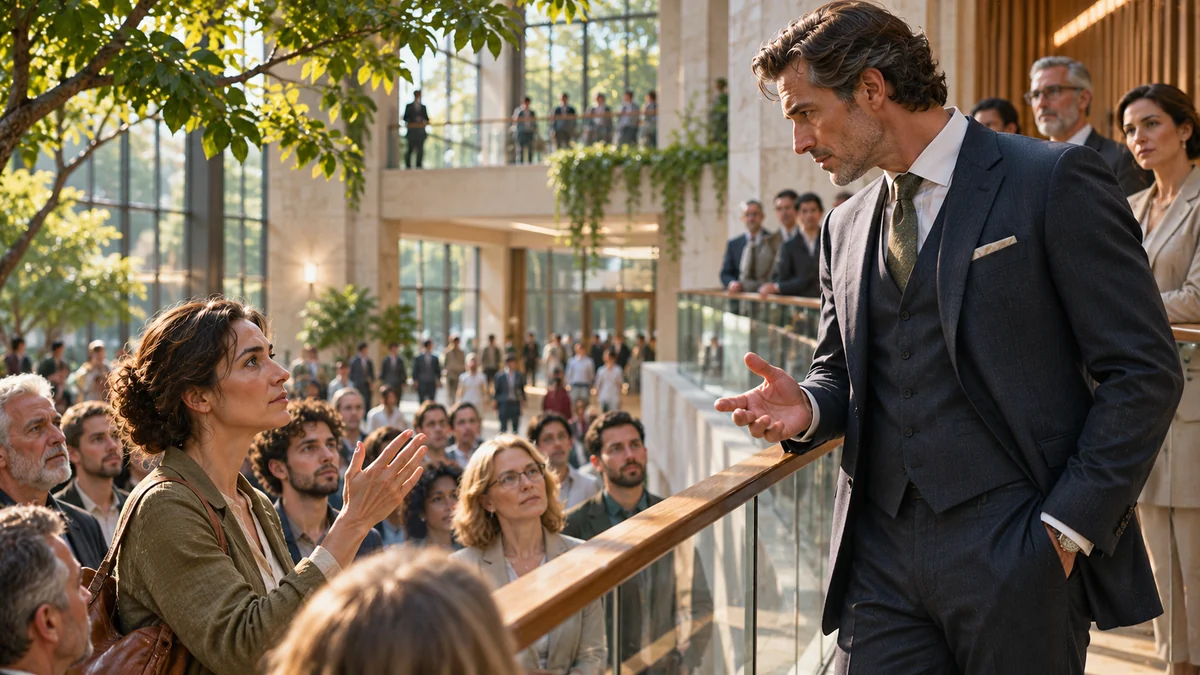
In a period-inspired lecture hall, a man pauses with his pen and looks toward the woman next to him while other attendees follow a lecturer’s instructions. Part 47 / 55

Why Do People Obey Authority?

Someone tells us to continue. The instruction comes from a person who speaks with confidence, wears a recognizable sign of professional standing, or claims to represent a respected institution.

Read article

An open folder on a wooden table under a lamp, with a storm beyond the window and long shadows falling across the papers. Part 50 / 55

Governing Through Fear

Fear can alert us to a genuine danger. But it can also become a political instrument, shifting attention from the question of what has been established to the question of whom we must obey.

Read article
Series chapter

VIII. Who Are We Up Against?

A concluding reflection on accountability, ethics, empathy and the limits of power.

5
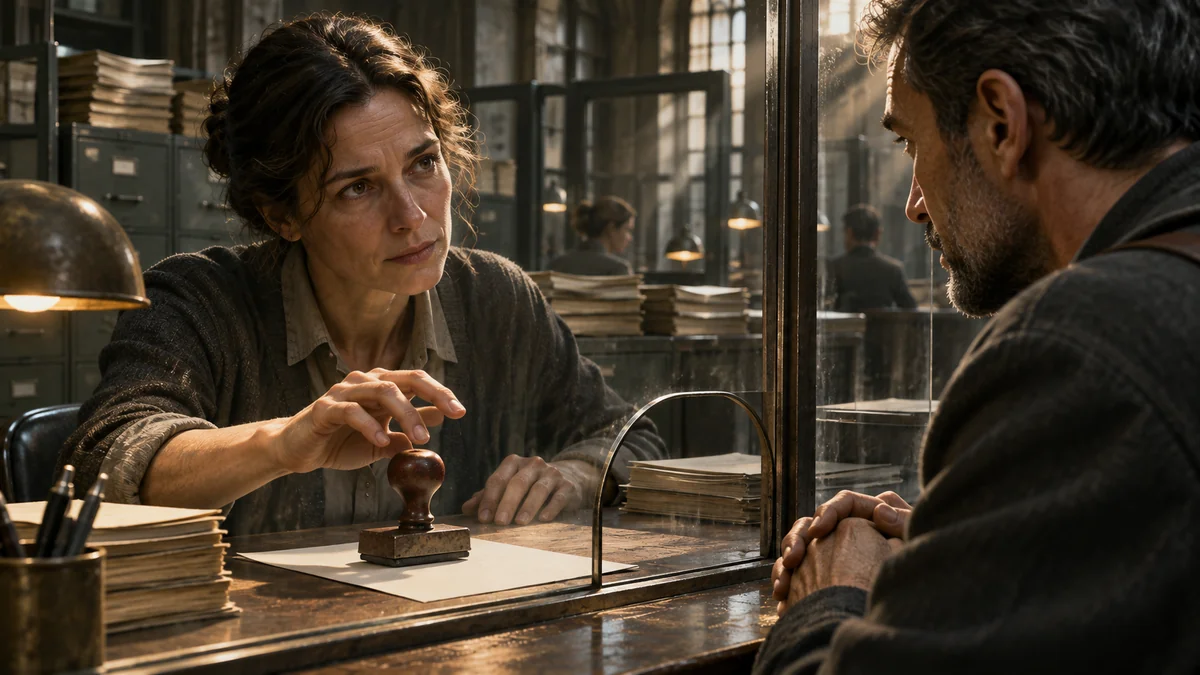
A clerk pauses with her hand above a stamp and looks toward a visitor through a glass partition, with filing cabinets and stacks of documents behind them. Part 52 / 55

The Nature of Evil

When the Nazi authorities organized the persecution and murder of millions of people, they needed more than orders and those who killed directly.

Read article
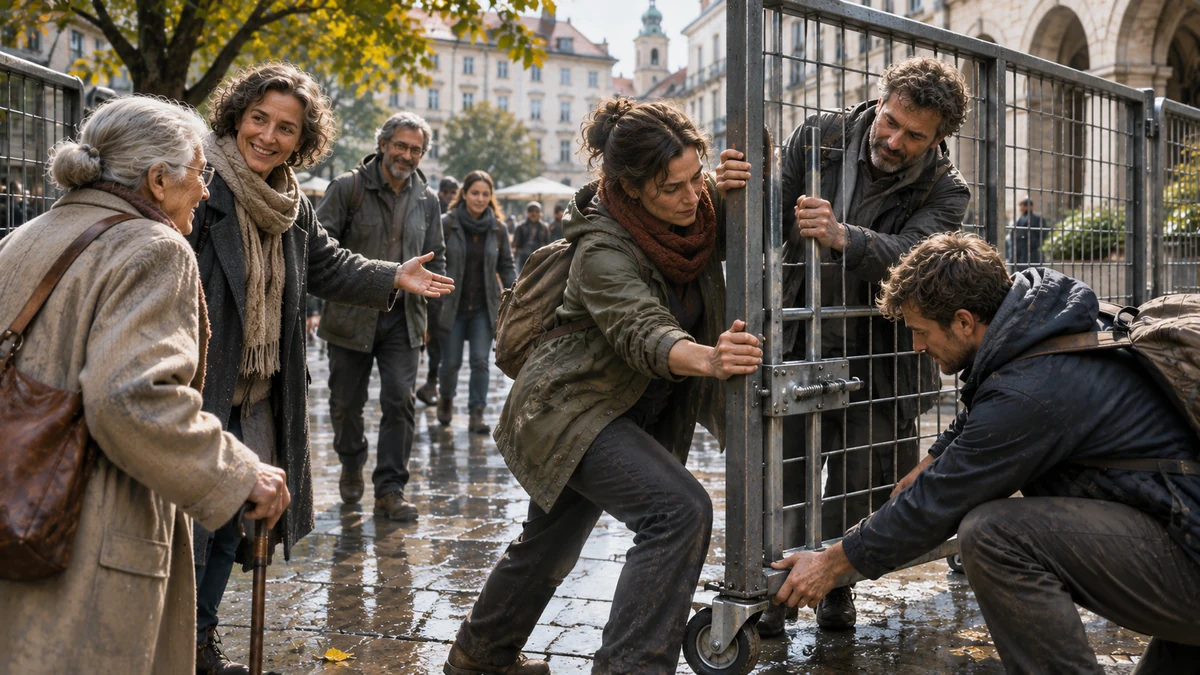
People in a rain-wet city square work together to open a metal barrier and make way for an older pedestrian. Part 53 / 55

Power versus Force

Authority can sometimes seem most powerful precisely when no one dares to challenge it. An order is obeyed, a door is shut, an uncomfortable question is silenced.

Read article
At a meeting, a woman rests her hand on a blank document while supporting a distressed colleague as others watch. Part 54 / 55
Inner Freedom as a Form of Resistance

Pressure from those in power does not always begin with an order. Sometimes it begins with a small request that a person demonstrate agreement: sign something, repeat someone else's explanation, look away, or simply remain silent.

Read article
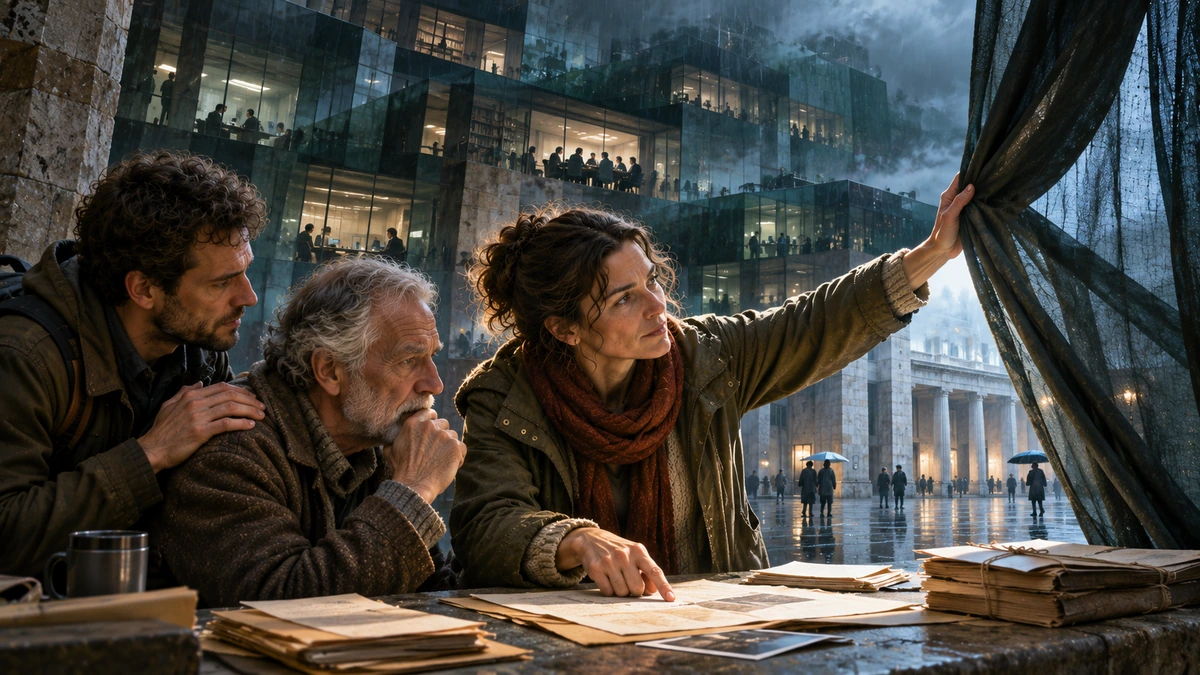
Three people examine documents beside a rain-soaked public square; a woman pulls back a curtain to reveal a many-layered glass institutional building. Part 55 / 55

Who Are We Really Up Against?

After lengthy chapters on families, secret orders, political alliances, rituals, propaganda, and abuses of institutions, readers might wish for a single answer: the name of a person, organization, or hidden leadership that explains everything.

Read article