
Slovenian audioCurrent content is recorded in Slovenian.
PROMETHEUS IX
Explore through video. Keep verifying.
Prometheus IX brings THY-REALITY themes into video. Video remains its own medium while connecting to articles and research areas across the site.
Audio: SL
Subtitles: SL · EN · RU · HR · СР
Subtitles in five languagesSL, EN, RU, HR and Serbian Cyrillic broaden access.
Connected knowledgeVideo connects with articles, Explore topics and, later, books.
Video library
All videos on YouTube
Prometheus IX content
19 videos
 14:07
14:07
3.9. The Crisis Industry – Who Profits from Fear?
What if some of the biggest crises of the modern world do more than solve problems — and also create public consent for new forms of control?
 14:51
14:51
3.8. Order from Chaos – Accident or Design?
What if major social changes do not emerge only from solutions, but from crises that make previously unacceptable measures suddenly possible?
 12:46
12:46
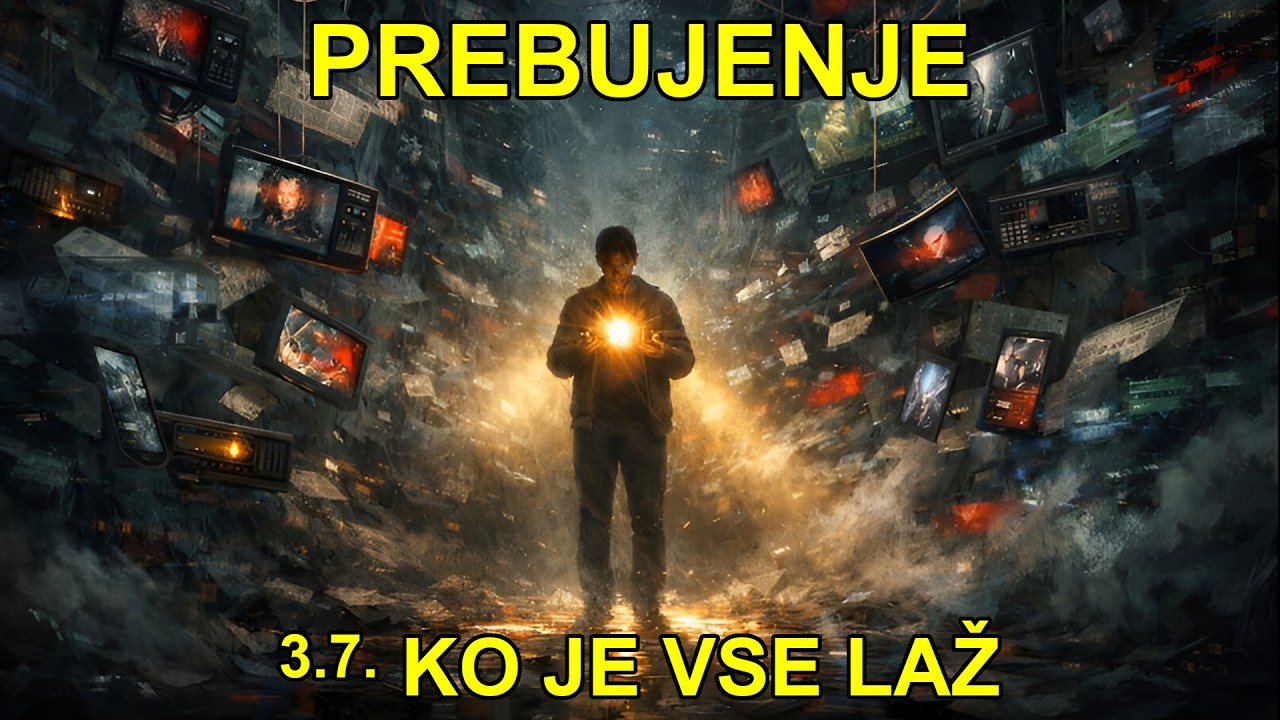
3.7. When Everything Is a Lie – A World of Disinformation
When every source offers a different version of reality, the danger is not only believing a lie, but losing confidence that truth can still be found.
 9:07
9:07
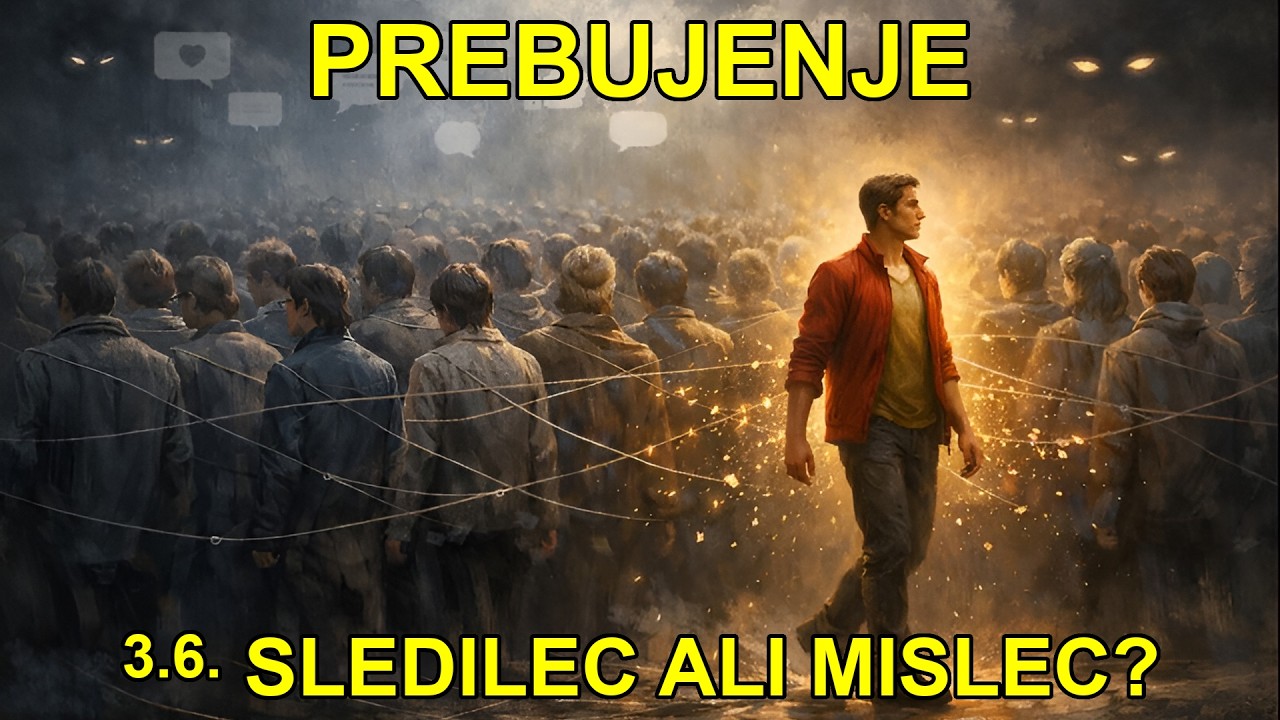
3.6. Follower or Thinker? – The Pressure of the Crowd
How much of what we think is truly our own, and how much is shaped by the pressure to conform, belong and follow the crowd?
 13:54
13:54
4.20. NATO – Protection or Expansion of Power?
A critical look at NATO through interventions, expansion, geopolitical interests and the question of where defence ends and power projection begins.
 10:15
10:15
3.5. Discrediting Truth – How Doubt Is Silenced
Why are some questions welcomed while others are dismissed before they are discussed? The episode examines labelling, ridicule and framing as tools of perception.
 12:42
12:42
4.19. An Army Without Borders – Who Stands Behind Interventions?
From Iran and Vietnam to Iraq and Libya, this episode examines the relationship between military intervention, strategic interests and the stories used to justify war.
 13:25
13:25
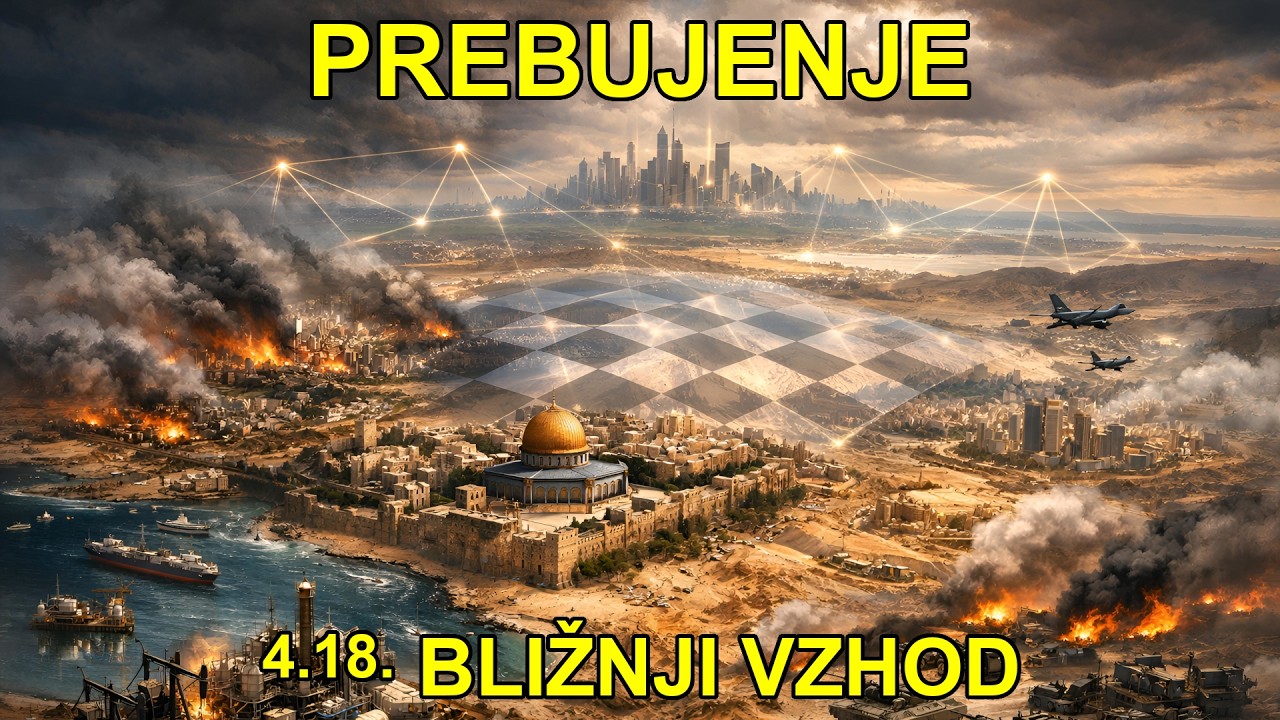
4.18. The Middle East – A War for Control
Is the Middle East simply a region of endless conflict, or also one of the central geopolitical crossroads of energy, trade routes, alliances and competing powers?
 10:45
10:45
3.4. Stolen Attention – Entertainment as a Tool of Control
Attention is one of the most valuable resources of modern life. This episode asks how entertainment, consumption and constant distraction compete for it.
 7:27
7:27
3.3. You Do Not Choose the News – Who Sets the Agenda?
Do we choose what to think about, or does the information environment decide which stories reach us first? An introduction to agenda-setting and media attention.
 6:32
6:32
3.2. They Said It Out Loud – What Was Publicly Admitted
Some influential ideas were never hidden. This episode revisits public statements by powerful institutions and asks what changes when we read them in context.
 5:50
5:50
3.1. Programming Children – Does School Produce Obedience?
Does education cultivate independent thought, or can institutions also reward conformity and obedience? A critical examination of the social role of schooling.
 12:17
12:17
2.4. The World Is Not in Your Head – The Danger of Solipsism
Is reality only a projection of the mind, or does an objective world exist independently of our thoughts? A distinction between experience and what exists.
 9:56
9:56
2.3. Truth ≠ What You Believe – Objective Reality
Is truth a matter of opinion, or can reality remain what it is regardless of what we believe? A foundational episode about objective reality and interpretation.
 7:55
7:55
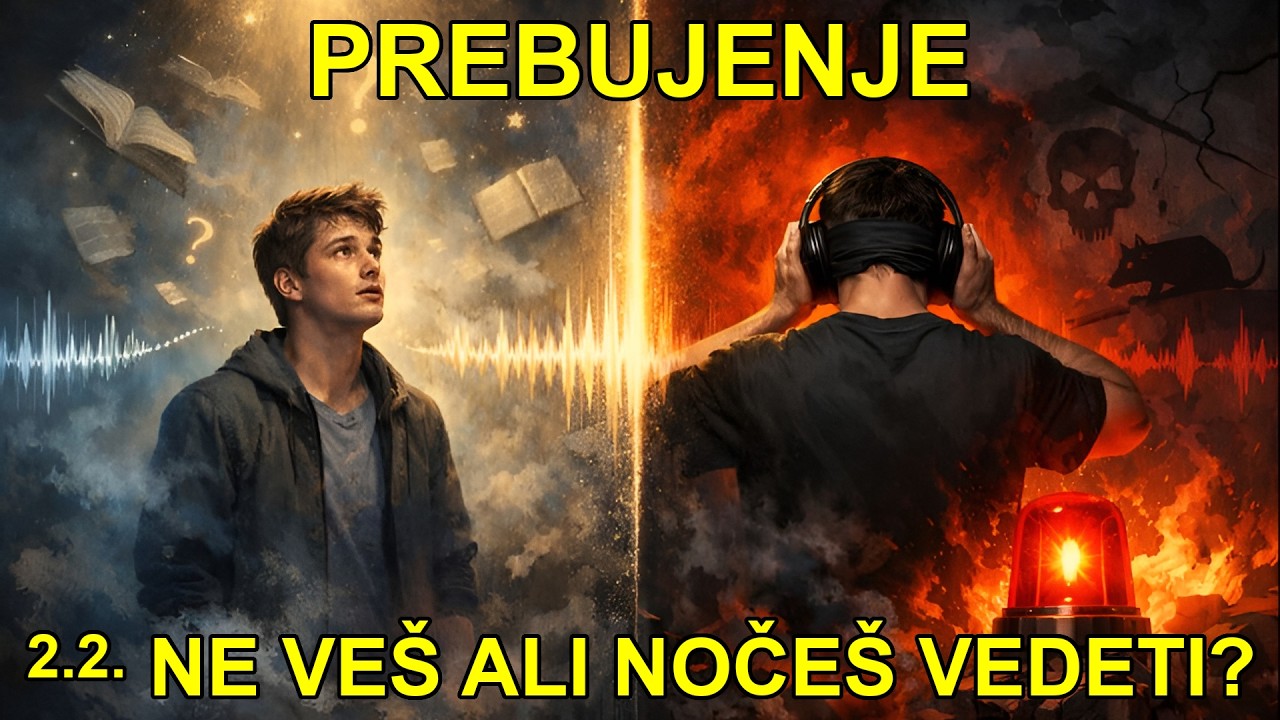
2.2. Do You Not Know, or Not Want to Know? – Ignorance vs Indifference
Not knowing and refusing to know are not the same. This episode explores ignorance, deliberate avoidance and the responsibility to examine important claims.
 8:50
8:50
2.1. We Look, but Do Not See – The Illusion of Perception
Perception is not a direct copy of the world. It is an interpretation shaped by attention, expectation, memory and the limits of our senses.
 7:40
7:40
1.2. Truth Is Not Comfortable – Before You Continue …
An orientation for the journey ahead: how to approach information that challenges existing beliefs without replacing one certainty with another.
 4:57
4:57
1.1. It Is No Accident That You Are Here
The opening episode introduces awakening as a willingness to question familiar assumptions about reality, consciousness and the world we take for granted.
 2:19
2:19
Awakening – Why the World Is Not What You Think
The series trailer opens the central question behind Prebujenje: how perception, belief, power and awareness shape the world we think we know.
THY-REALITY × PROMETHEUS IX
One inquiry, multiple forms.
A short article can open a question, a video can expand it, and the research map can place it in a wider context. The content becomes a connected network rather than separate islands.