Thematic collection

Buddhist Sutras

A thematic guide to early Buddhist discourses, canonical collections, Mahāyāna sutras, key teachings, and the history of their transmission. Each article is a standalone entry point; the collection is not designed as a required reading sequence.

42 standalone articles 5 thematic entry points
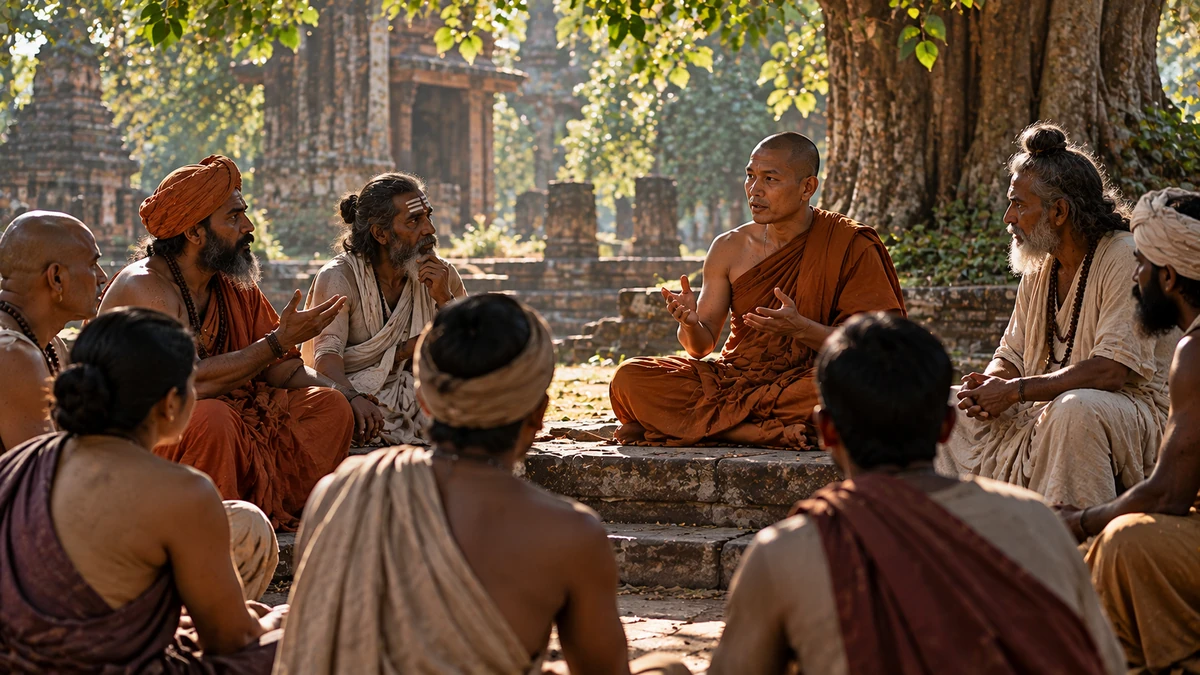
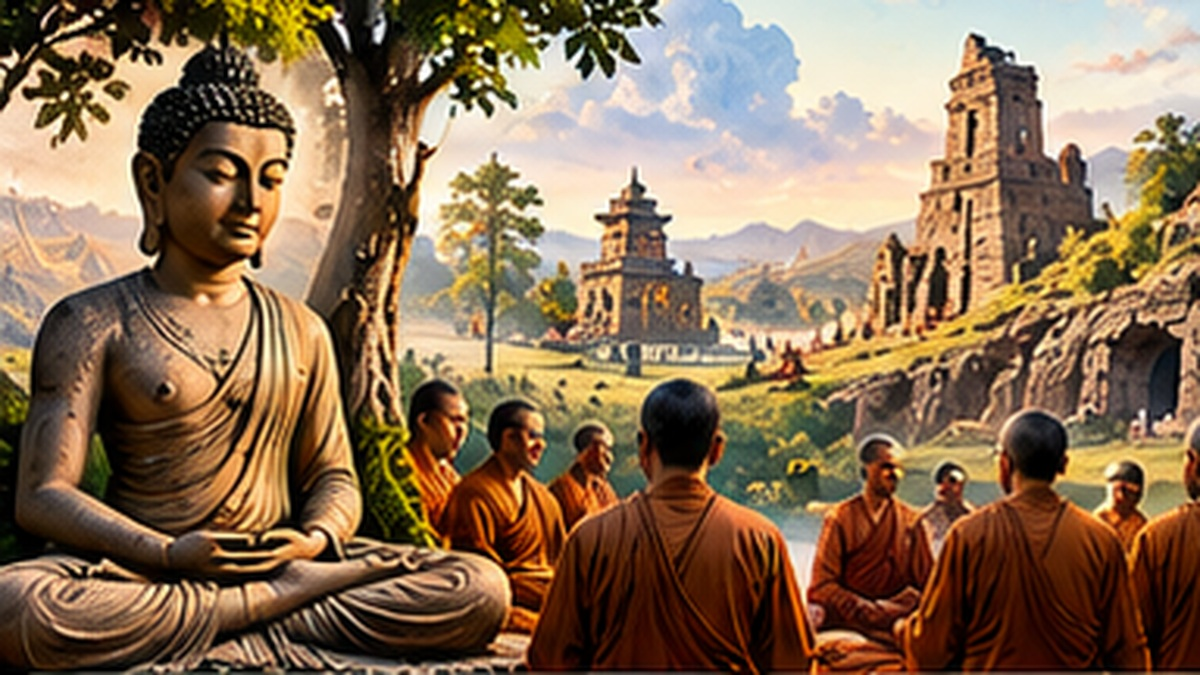
A seated Buddhist teacher addresses a group of monks beneath a large tree beside a rocky river. Start with the foundations
Choose a theme

Five ways into the collection

You do not need to start with the first article. Choose the question or tradition that interests you and continue from there through related material.

Orientation, canons, and transmission history

How to understand the idea of a sutra, the different canons, oral transmission, dating, and the historical question of what can be attributed to the earliest layers of Buddhism.

9
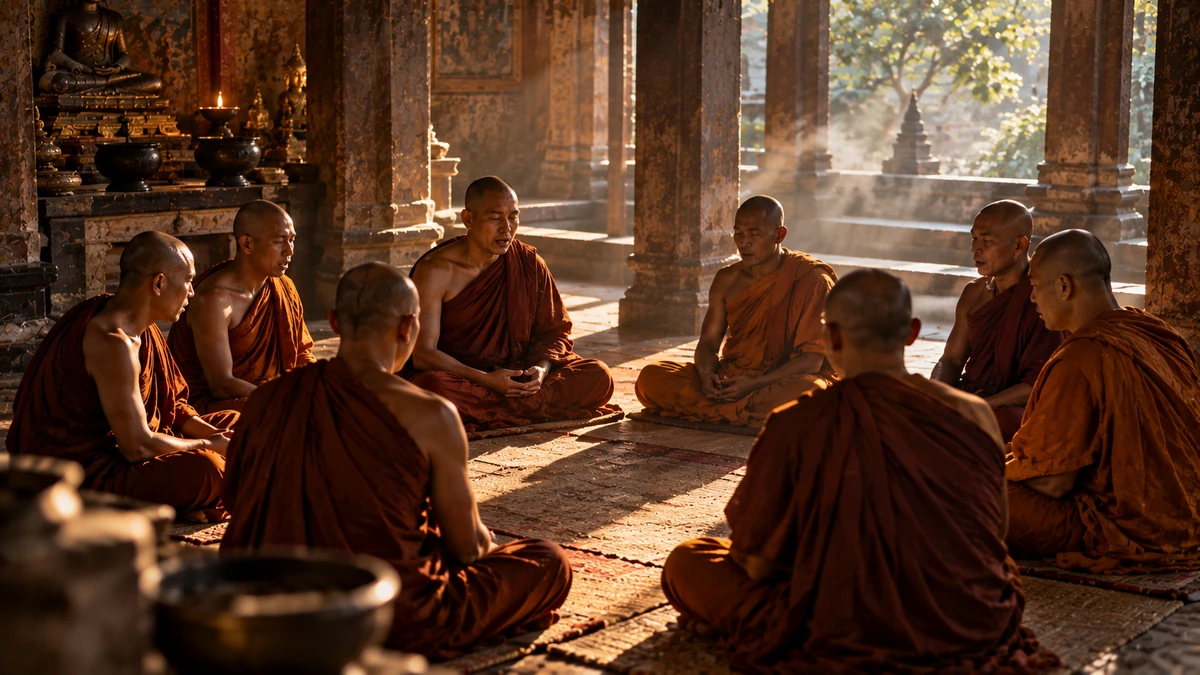
A group of monks sits in a circle inside an open wooden monastic space lit by natural light.

How Were the Buddha’s Discourses Preserved?

When we open a Buddhist sutra today, we read words on a screen or on paper. In the time of the historical Buddha, no such book existed. The Buddha left no manuscript of his teachings, and his disciples did not sit beside him with pens, writing down every sentence.

Read article

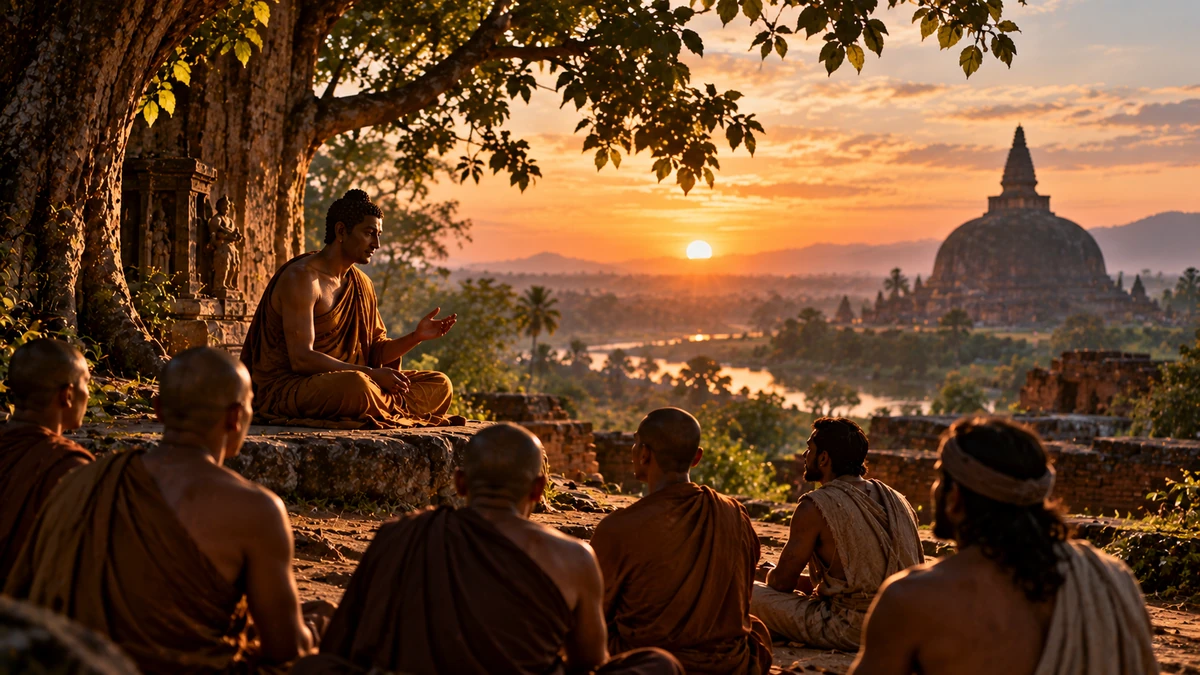
A monk sits above a broad landscape of monasteries, pilgrims and diverging mountain paths at sunset.

Is Buddhism a Single Teaching?

When someone says “Buddhism,” they may mean very different things: Theravāda in Sri Lanka or Thailand, Zen in Japan, Pure Land in China, Tibetan Buddhism, vipassanā, Mahāyāna philosophy of emptiness, recitation of Amitābha’s name, tantric visualizations, monastic discipline, meditation, ritual, or philosophy.

Read article

Early discourses and practice

Key early discourses on the Four Noble Truths, not-self, mindfulness, breathing, goodwill, evaluating teachings, the Buddha's final days, and the verse wisdom of the Dhammapada.

8
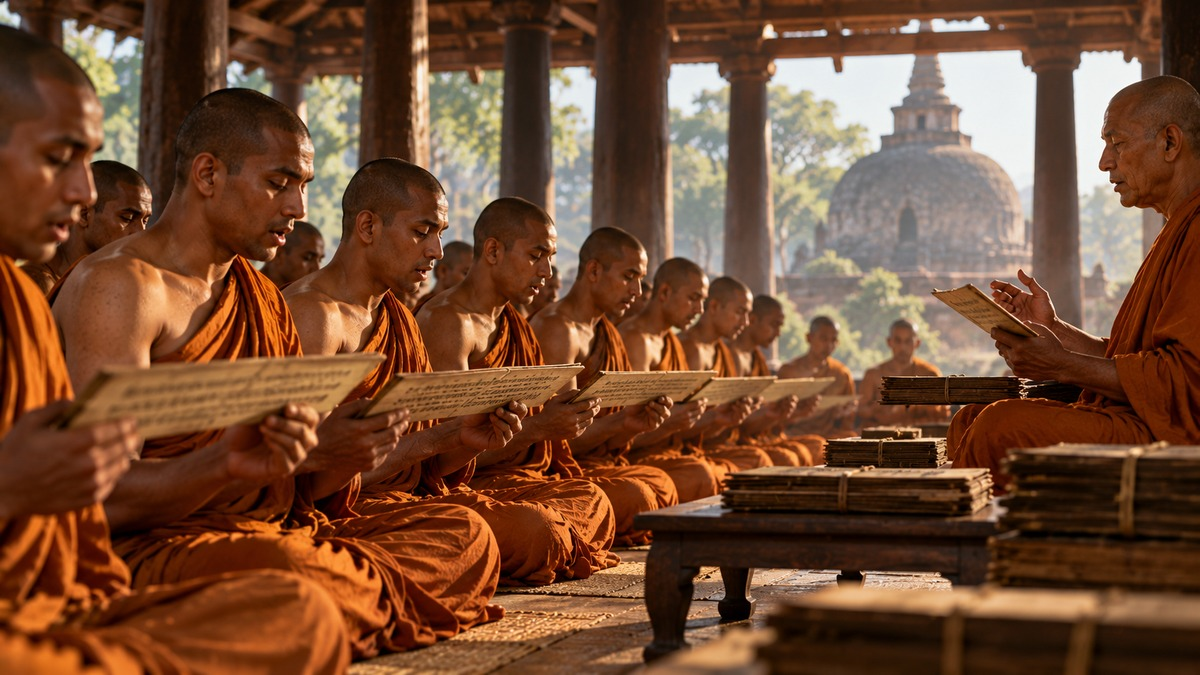
A monk reads an ancient text at sunset with a Buddha statue and temple landscape behind him.

Dhammapada — 423 Verses on Mind, Ethics, and the Path

If we had to choose one Buddhist book that has become almost synonymous around the world with “sayings of the Buddha,” the *Dhammapada* would be among the first candidates. Its short verses and vivid moral images speak about mind, anger, violence, craving, death, wisdom, the path, and nibbāna.

Read article

Nikāyas and collections of the Pāli Canon

Five different ways of organizing early texts: long, middle-length, connected, and numerically arranged discourses, together with the diverse Minor Collection.

5

Mahāyāna sutras and new horizons

From the emergence of Mahāyāna and the bodhisattva ideal to emptiness, Buddha-nature, mind-only, cosmic interdependence, Pure Land traditions, and new reinterpretations of the Buddhist path.

12

Teachings across traditions and modernity

Comparisons of not-self and Buddha-nature, emptiness and dependent origination, arahantship and the bodhisattva path, nirvāṇa, karma, rebirth, modern mindfulness, and the shared threads across Buddhist traditions.

8