
Yijing / I Ching: Divination, Philosophy, or a Map of Change?
When we open the Yijing, often written as I Ching in the West, the first thing we encounter is both simple and unusual: six lines, each either unbroken or broken.
Read articleShorter entry points into the questions explored across THY-REALITY. Browse by field or search directly by title and description.
When we open the Yijing, often written as I Ching in the West, the first thing we encounter is both simple and unusual: six lines, each either unbroken or broken.
Read article
Imagine a serpent coiling into a circle and grasping its tail between its teeth. Its body has no visible beginning or end. Its head meets its tail, and what it devours is also part of itself.
Read article
The Great Work links furnaces, metals, colour stages, the philosopher’s stone, spiritual alchemy and Jungian individuation. What is historical and what is later psychological interpretation?
Read article
DNA absorbs electromagnetic radiation, transports charge and has measurable resonances. Does that mean the genome is a natural antenna for external or “cosmic” information?
Read article
Masaru Emoto claimed that words, music and intention affect ice crystals. What do blinded tests, crystal-growth physics and the older “memory of water” debate actually show?
Read article
Solipsism asks an extreme question: if we always access the world through experience, how do we justify belief in an external world and other minds independent of us?
Read article
Brain injury, anaesthesia and stimulation strongly show that human consciousness depends on the brain. But does that prove production, or leave room for transmission and filter models?
Read article
The heart has an intrinsic nervous system, communicates bidirectionally with the brain, and its rhythm participates in bodily regulation. But cardiac neurons, HRV and the biomagnetic field are not evidence of an independent heart-mind.
Read article
Hemispheric specialization is real, but it does not divide people into logical “left-brained” and creative “right-brained” types. Modern neuroscience shows local lateralization and broad cooperation between both hemispheres.
Read article
MacLean’s three-brain model was historically influential, but modern comparative neuroscience does not support a literal reptilian, mammalian, and rational brain stacked one on top of another.
Read article
Space plasma, Birkeland currents, and magnetic reconnection are real physics. But they do not automatically show that galactic currents power the Sun or that electromagnetism replaces standard cosmology.
Read article
The simulation hypothesis, digital physics, and informational descriptions of nature are not the same claim. Bostrom’s argument, physical tests, and new constraints show what can be tested — and what cannot yet be established.
Read article
Near-death experiences are a real subjective phenomenon. AWARE, EEG and neuroscience reveal important boundaries, but prove neither an afterlife nor a complete explanation of consciousness.
Read article
The holographic principle is a serious idea in quantum gravity, but that does not mean our universe is literally a projection or that holography proves cosmic consciousness.
Read article
Sand, liquid, and sound can produce striking geometric patterns. What does the physics actually show — and what is added only by later interpretation?
Read article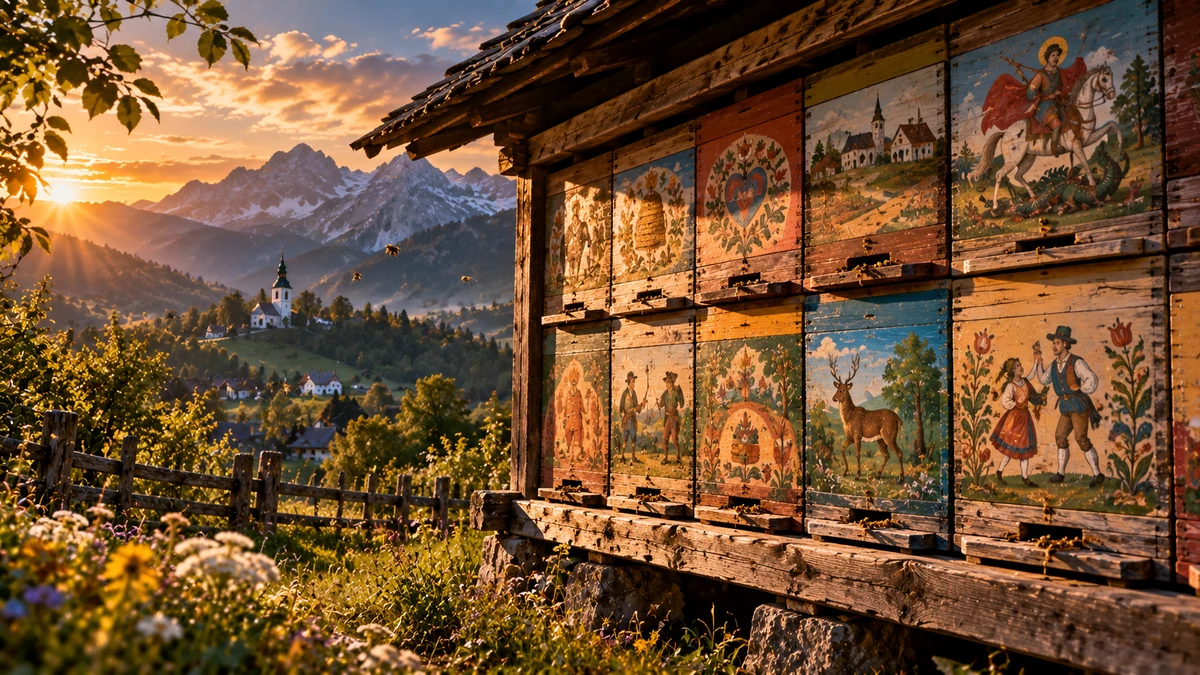
From a Madonna dated 1758 to the devil sharpening a tongue: how did the front boards of Carniolan hives become a visual archive of belief, humour, politics, and everyday life?
Read article
Green George combines a spring procession, greenery, carolling, gifts, and St George. What is historically documented, what belongs to the Jarylo reconstruction, and how did the custom become a symbol of Bela Krajina?
Read article
From Shrovetide ploughing groups and village rounds to Kurentovanje and UNESCO: what can be historically established about Kurent, and where do origin hypotheses begin?
Read article
From Dežman’s 1868 record to Baumbach’s bestseller, the Triglav flower, the folkloristic authenticity debate, and Zlatorog as a symbol of Slovenia’s mountain world.
Read article
A Pomeranian deity, Slovenia’s highest mountain, and one of the most influential interpretations of a national symbol: what is documented, and where does the later connection begin?
Read article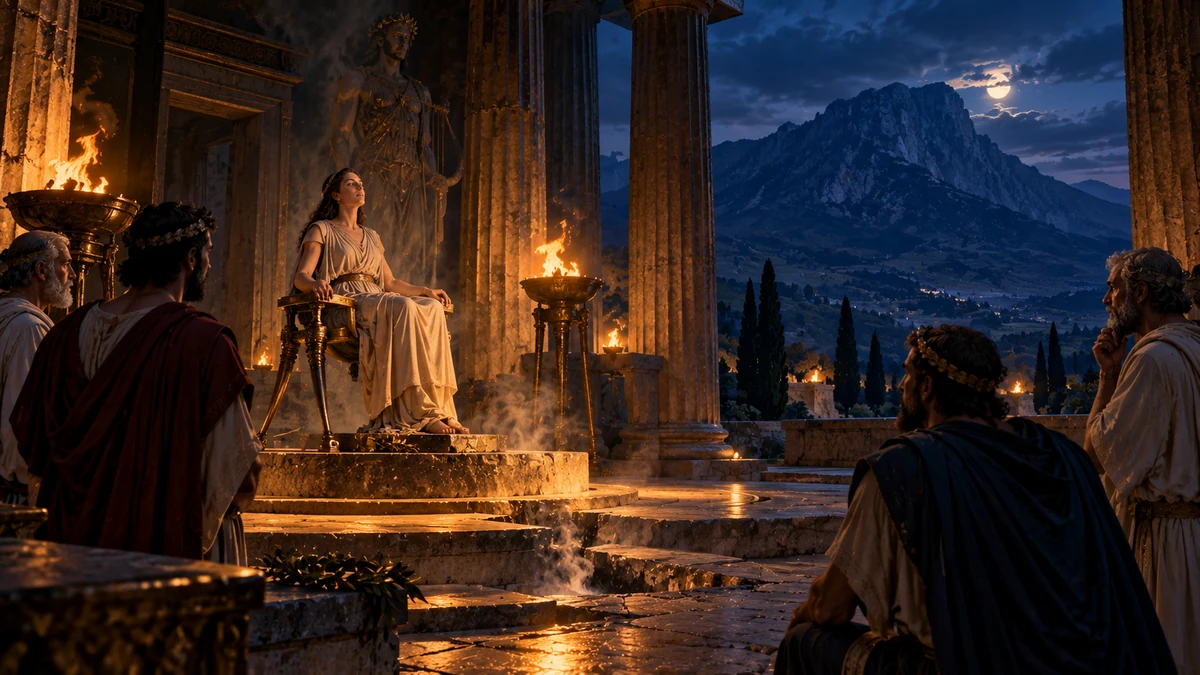
The Pythia, Apollo, mysterious pneuma, and faults beneath the temple: what ancient sources and modern geology really tell us about Delphi and the disputed ethylene hypothesis.
Read article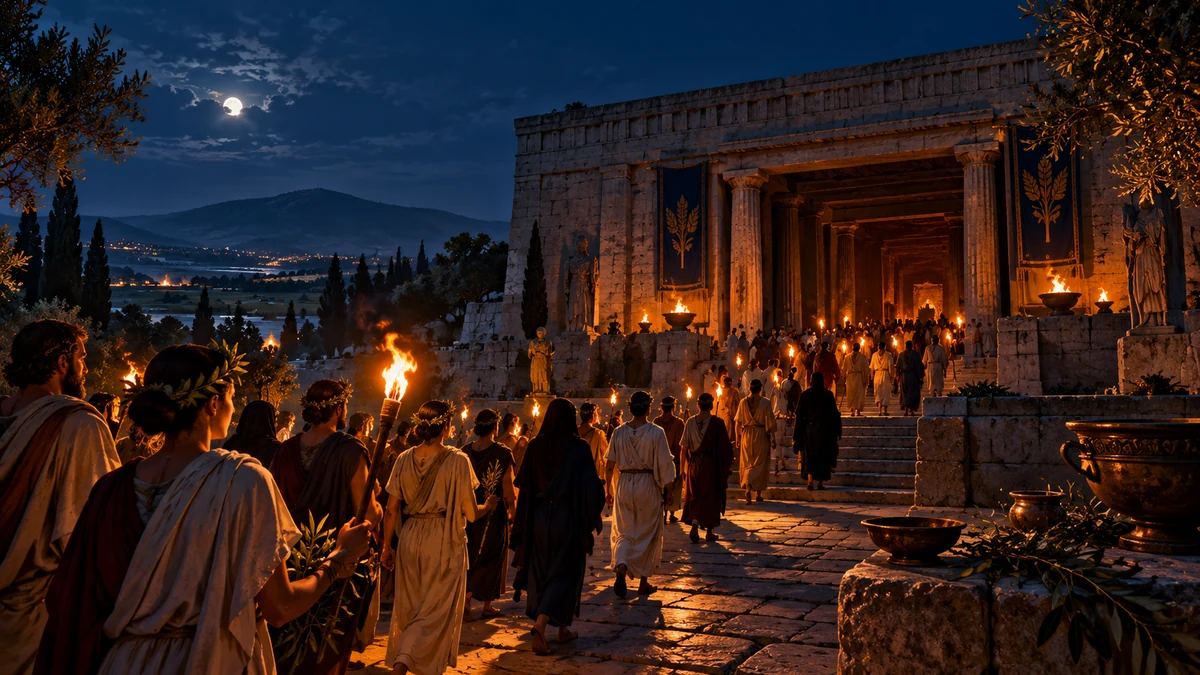
What we actually know about the Eleusinian Mysteries: Demeter and Persephone, the procession, Telesterion, kykeon, afterlife hope, and the disputed psychedelic hypothesis.
Read article
From Watkins’s old straight tracks to Michell’s energy lines: what ley lines originally meant, what archaeology really finds in landscapes, and where modern mythology begins.
Read article
Overlapping-circle geometry is ancient, but is the “Flower of Life” symbol equally old? Abydos, Rome, East Asia, Leonardo, and modern esotericism under evidence review.
Read article
Circles, squares, triangles, regular solids, geometric grids, and mandalas appear in mathematics, architecture, religious art, and modern esotericism. Yet the same shape does not imply the same doctrine. This article follows documented connections from Plato’s cosmology and Vitruvian proportion through Gothic and Islamic geometry to Buddhist mandalas, then examines how modern “sacred geometry” assembled different traditions into a new common language.
Read article
Early-fifteenth-century parchment, an unknown script, strange plants, celestial diagrams, and multiple scribal hands: what we actually know about the Voynich Manuscript and why no explanation has yet become a generally accepted solution.
Read article
From the ratios 2:1, 3:2, and 4:3 to Kepler’s planetary harmonies, the music of the spheres linked music, mathematics, and cosmology for centuries. This article follows the idea from the Pythagorean tradition through Plato and Boethius to Harmonices Mundi.
Read article
The Antikythera Mechanism is a Hellenistic bronze-geared device that linked calendars, the motions of the Sun and Moon, lunar phases, eclipses, and probably the planets. Its fragments reveal a remarkable level of ancient mechanics while leaving important questions open.
Read article
The golden ratio φ is a precisely defined irrational proportion with genuine connections to the pentagon, the Fibonacci sequence, and phyllotaxis. Its cultural history is broader: from Pacioli’s divine proportion and Le Corbusier’s Modulor to disputed attributions involving the Parthenon, artworks, and human beauty.
Read article
Gregorčič’s To the Soča praised the river’s beauty in 1879 and warned of a future storm from the south. When a front actually opened along the Soča in 1915, the poem acquired a prophetic reputation. This article separates the original poem, its political context, and later historical memory.
Read article
Prešeren’s The Baptism on the Savica joins defeat, love, Christianization, and renunciation in one of the most debated works of Slovene literature. This article separates historical Carantania from literary construction and presents religious, political, and national readings of the poem.
Read article
Gregorian chant is neither a single ancient melody nor a hidden frequency system, but a centuries-long tradition of Latin liturgical song. This article follows its formation, neumes, eight modes, Guido of Arezzo, and the acoustics of sacred space.
Read article
Walt Disney was a documented DeMolay member, but Disney archives state that he was not a Freemason. This article separates that historical connection from Fantasia’s magical symbolism, Club 33, and later occult interpretations.
Read article
Bodhidharma is traditionally the first patriarch of Chinese Chan and one of Zen’s most recognizable figures, yet the early sources are sparse and divergent. This article separates the historical core, the teaching of two entrances and four practices, and later stories about nine years facing a wall, Shaolin, and martial arts.
Read article
Pi is the ratio of a circle’s circumference to its diameter and one of mathematics’ most fundamental constants. The article follows its path from Egypt and Archimedes to irrationality, transcendence, infinite series, and modern myths about its digits.
Read article
The Golden Rule is one of the best-known formulations of reciprocity in ethics. Related versions appear in Chinese, Jewish, Christian, Islamic, Indian, and Buddhist traditions — yet they are not always identical in scope, purpose, or philosophical background.
Read article
The sequence 0, 1, 1, 2, 3, 5, 8 … follows a simple rule with remarkably broad consequences. Its history predates Fibonacci, ratios of consecutive terms approach the golden ratio, and related patterns occur in plant phyllotaxis — but not everywhere popular culture claims to find them.
Read article
Slovene and Sanskrit are not in a mother–daughter relationship, but they are genuinely and deeply related: both belong to the Indo-European family and preserve traces of shared vocabulary, grammar, and even the dual number.
Read article
The classical Buddhist map of nine mental abidings leads from wandering attention to effortless stability and śamatha while distinguishing the older textual system from the later elephant, monkey, and rabbit iconography.
Read article
S. Grey reads the Mithraic mysteries, Judaism, and Christianity through the zodiac, Sun, planets, and calendrical cycles; the article places his astrotheological interpretation alongside archaeological, iconographic, and historical sources.
Read article
Mike Bara connects Project Horizon, real classified reconnaissance programs, Paperclip, MJ-12, Gary McKinnon, and testimony about advanced craft into a broader story of a parallel space program; the article separates the documented archive from the author’s interpretation.
Read article
Hoagland and Bara connect Paperclip, the Brookings Report, Cydonia, lunar imagery, and NASA symbolism into a hidden-space-history thesis; the article presents these claims alongside publicly available historical and imaging sources.
Read article
Mike Bara links ancient visitors, a catastrophe around 10,500 BCE, pyramids, secret societies, and NASA into a single model; the article presents those connections alongside documentary, archaeological, and institutional context.
Read article
A comparative article separating documented Templar–Nizari contacts from Wasserman’s esoteric genealogy and Bartol’s literary construction of Alamut.
Read article
Bartol’s Alamut uses the story of Hasan-i Sabbah and the fortress of Alamut for a novel about faith, knowledge, manipulation, and political power; this article separates literary construction from Nizari Ismaili history.
Read article
James Wasserman places the Templars and the Nizari Ismailis in the same Crusader world and looks for spiritual and initiatory connections between them; this article separates documented contact, medieval legend, and the author’s esoteric interpretation.
Read article
Jasper Ridley follows Freemasonry from guild roots and the London Grand Lodge of 1717 through revolutions, anti-Masonic campaigns, and the twentieth century; this article tests where documented history ends and the myth of a unified hidden power begins.
Read article
John Lawrence Reynolds compares Freemasons, Illuminati, the Priory of Sion, the Mafia, yakuza, and Skull and Bones; this article separates real secrecy, criminal networks, and elite ties from later theories of a single hidden center of power.
Read article
James Webb treated occultism as “rejected knowledge” and followed its paths from Spiritualism and Theosophy into art, politics, and counterculture; this article compares his pioneering synthesis with later scholarship on Western esotericism.
Read article
Griesinger’s 1861 book connects papal temporal power, forged documents, investiture, money, Avignon, the Borgias, and nepotism; this article separates documented history from nineteenth-century liberal-Protestant polemic.
Read article
Brenda Ralph Lewis moves from the Cadaver Synod and the Cathars to the Borgias, Galileo, and Pius XII; this article compares her dark episodes with newer scholarship and separates documented history from polemical framing.
Read article
The familiar line about different lamps opens into a wider passage in Book III of the Masnavi: Moses and Pharaoh within the human being, the lamp and one light, differing viewpoints, and the elephant in the dark. The article centers Rumi’s original passage and its meaning.
Read article
Queen Madālasā in the Mārkaṇḍeya Purāṇa soothes her son with a teaching that name, body, and relationships are not his deepest self. What does chapter 25 actually say, and what did the later “Madalasa lullaby” tradition add?
Read article
Three famous lines from the Bṛhadāraṇyaka Upaniṣad are now a universal prayer for truth, light, and immortality. What do they actually mean in their original Pavamāna ritual context?
Read article
A kōan is not merely a paradoxical riddle. From the Chinese gōng’àn as a public case to Mu, Dahui’s huatou, and Hakuin’s Rinzai system, its role changed over centuries.
Read article
Early Buddhism closely examines mind, feeling, craving, and suffering, but does not separate meditation from ethics, kamma, rebirth, and the goal of nibbāna. Where is comparison with psychology useful, and where does it become reduction?
Read article
Hinduism recognizes many deities, but also Brahman, one supreme Lord, and non-dual reality. What do polytheism, monotheism, and monism actually mean across different Hindu traditions?
Read article
From the Watchers of Enoch to the modern occult theory of a collective psychic formation: how the meaning of the egregore gradually changed through the nineteenth and twentieth centuries.
Read article
In La Légende des siècles, Victor Hugo built a poetic mosaic of humanity from history, legend, war, conscience, mercy and visions of the future, tracing a difficult movement from darkness toward liberty and light.
Read article
From More’s Utopia to Black Mirror: how literature, film and television invent alternative societies to test the ideals, power structures, technologies and fears of their own time.
Read article
Universe 25 under historical review: what John B. Calhoun actually observed in a closed mouse colony, how he interpreted the breakdown of social organisation, and how later culture turned the experiment into a universal story about a “mouse utopia.”
Read article
A presentation of *1666: Redemption Through Sin*: Sabbatai Zevi, Jacob Frank, antinomianism, secret societies, the Illuminati, the Rothschilds, Zionism, and Sepehr’s theory of historical continuity.
Read article
A presentation of the five-volume *Pedophilia & Empire*: child abuse, Savile, Westminster, Epstein, Maxwell, the Finders, religious institutions, compromise, and Hagopian’s model of power networks.
Read article
A presentation of *The Biggest Secret*: Anunnaki, reptilian bloodlines, elite genealogy, the Babylonian Brotherhood, ritual, the Rothschilds, and Icke’s model of hidden power.
Read article
A presentation of *The David Icke Guide to the Global Conspiracy*: elite networks, central banks, covert programs, 9/11, symbols, reptilian bloodlines, and a metaphysics of consciousness.
Read article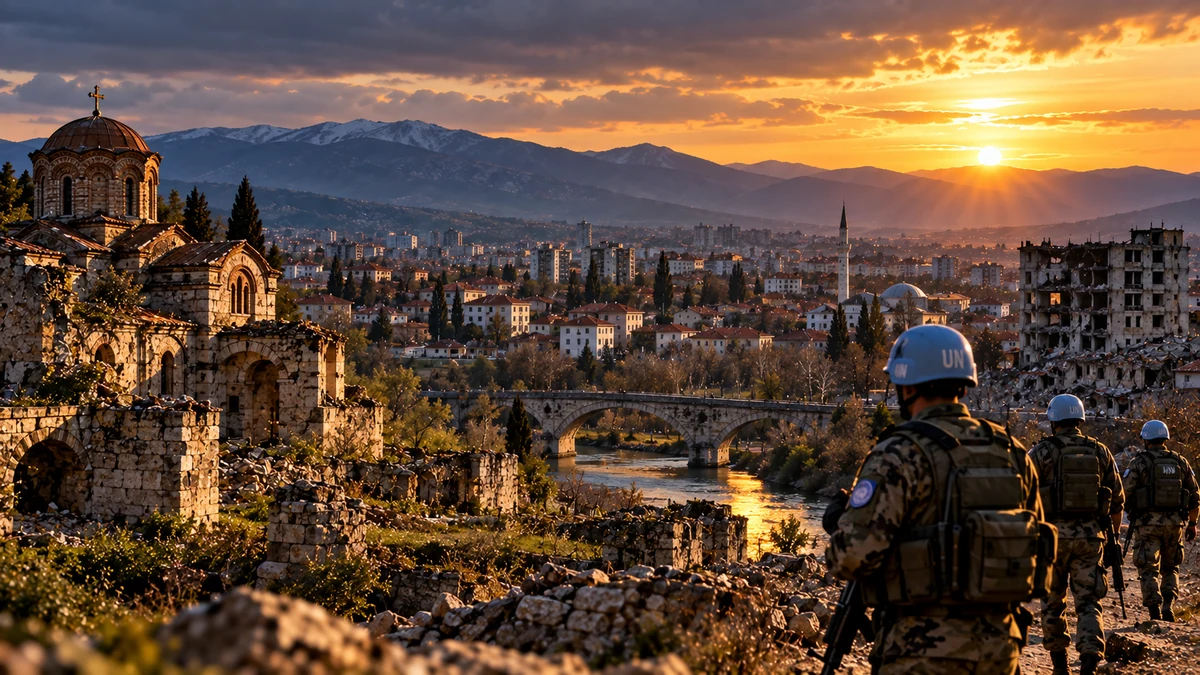
From Resolution 1244 and UNMIK to postwar violence, status negotiations and Kosovo’s 2008 declaration of independence.
Read article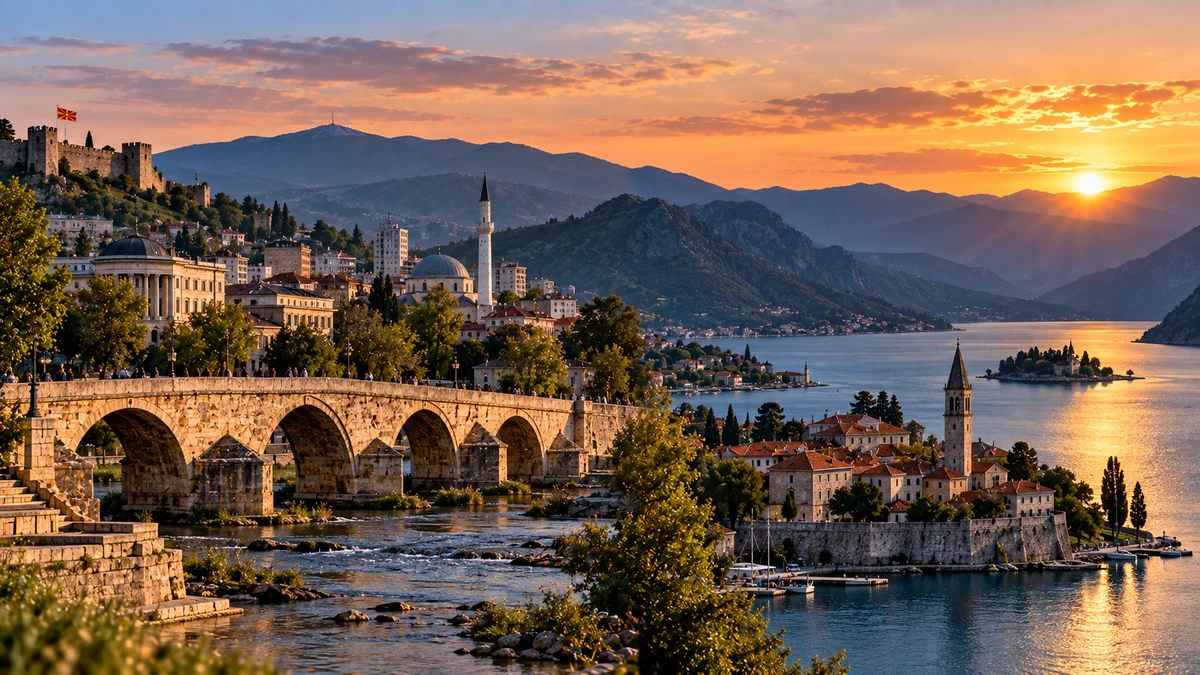
North Macedonia and Montenegro show two different exits from Yugoslavia: from peaceful separation to Ohrid 2001 and the 2006 referendum.
Read article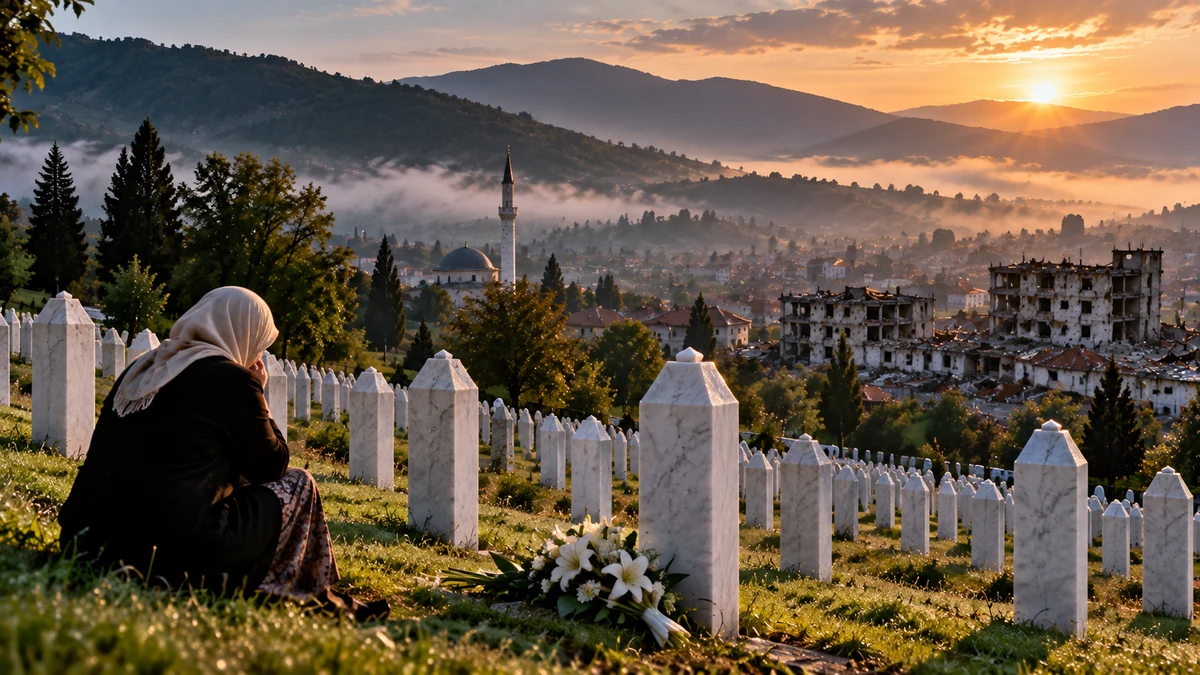
Srebrenica through judgments, UN documents, forensics, testimony and disputed interpretations — clearly separating established facts from unproven claims.
Read article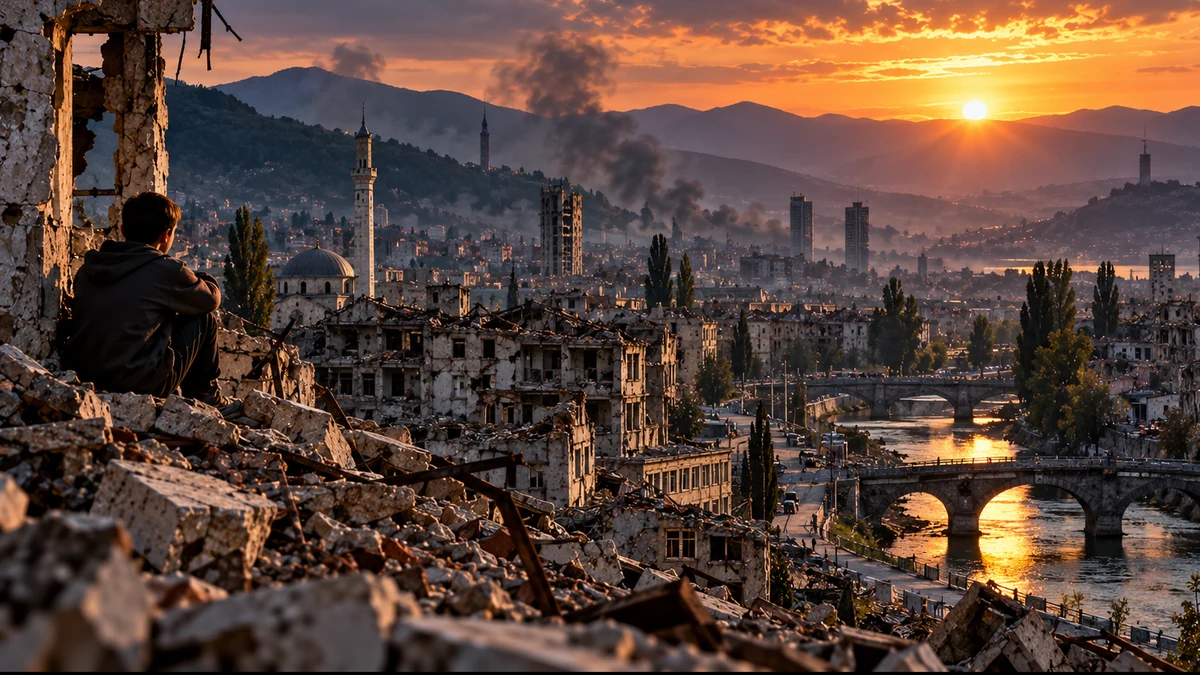
From the siege of Sarajevo to Dayton: three armies, ethnic cleansing, the Croat-Bosniak war, safe areas and a changing military balance.
Read article
From UNPROFOR to Flash, Storm and peaceful reintegration: Croatia’s war after 1991 and the consequences for the Serb population.
Read article
Who absorbed transition losses — owners, banks, workers or the state — through recapitalizations, guarantees, bankruptcies, write-offs and subsidies.
Read article
Management buyouts, banks and business-political networks: separating lawful ties from judicially proven abuses in privatization.
Read article
The sale price is the end point of a process. This article follows price, debt, restructuring, land and the company’s path to the moment of sale.
Read article
Who received former social property after its dismantling and what happened to selected companies after privatization.
Read article
Why the successor states differ today: starting conditions, wars, reforms, privatization, institutions, EU integration and emigration.
Read article
A comparison of work, housing, debt, inequality, emigration and living standards before breakup and across the successor states.
Read article
Who gained statehood, companies, markets, military presence or political influence after breakup — without turning later benefit into proof of prior design.
Read article
How Serbia privatized socially owned firms after 2000, who bought them, and what happened to workers, banks and ownership.
Read article
Elections, parallel vote counting, Kolubara, Otpor and foreign assistance: how 5 October 2000 became the end of Milošević’s rule.
Read article
What NATO used, what UNEP found on the ground, and what health research actually says about the risks of depleted uranium.
Read article
What NATO bombed during 78 days, how many civilian deaths can be documented, and what was simultaneously happening to Kosovo’s population.
Read article
Račak, Rambouillet, Appendix B and diplomacy under threat of attack: what happened in the months before NATO’s bombing campaign.
Read article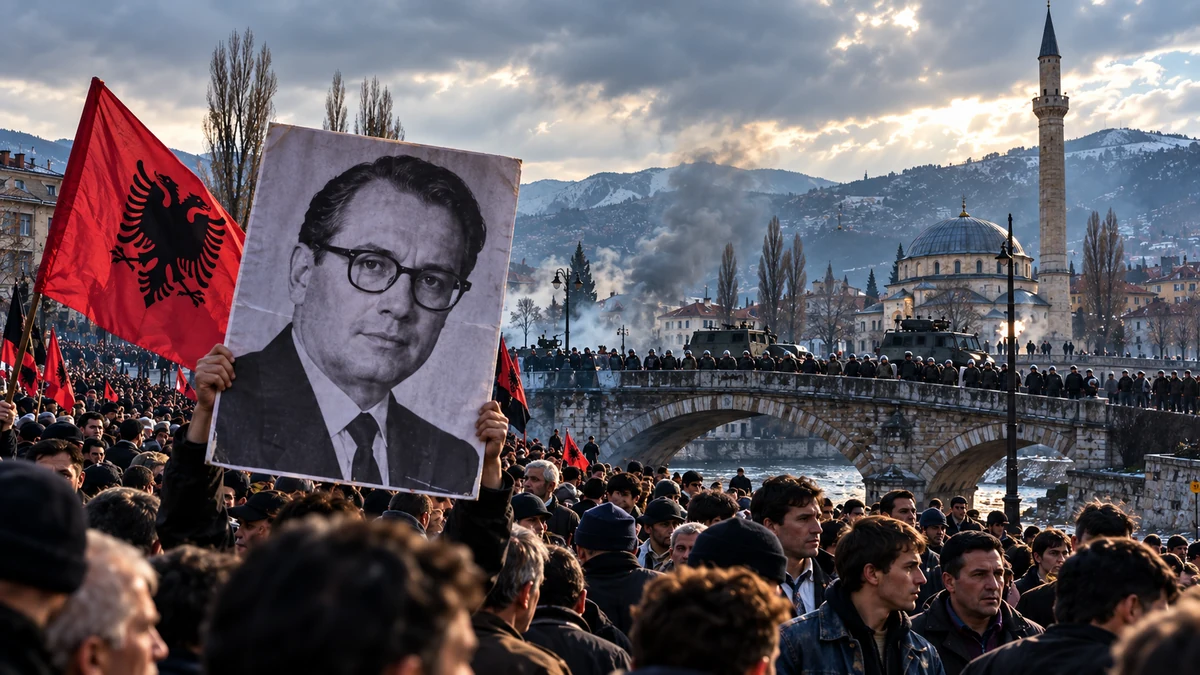
From autonomy and protests to Rugova’s nonviolent resistance and the rise of the KLA: Kosovo’s political road before the 1999 war.
Read article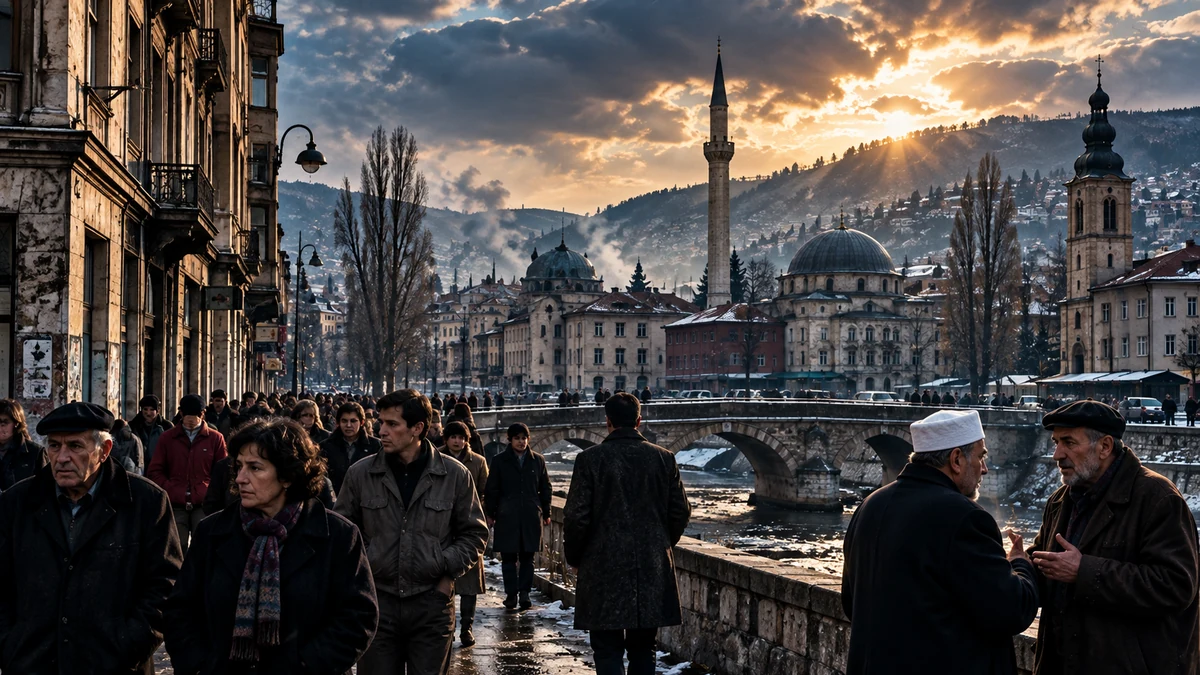
Referendum, three national political projects, parallel authorities and armament: how Bosnia and Herzegovina moved into war in spring 1992.
Read article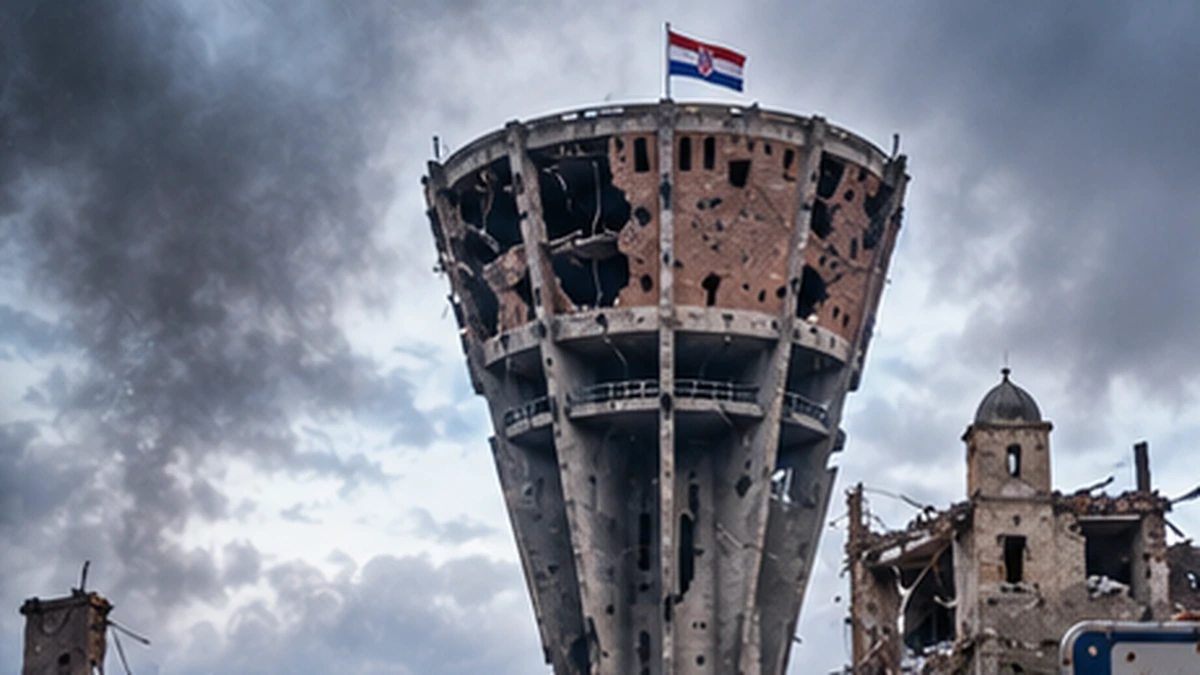
How Croatia moved from the 1990 elections, parallel Serb structures and a changing JNA role into open war.
Read article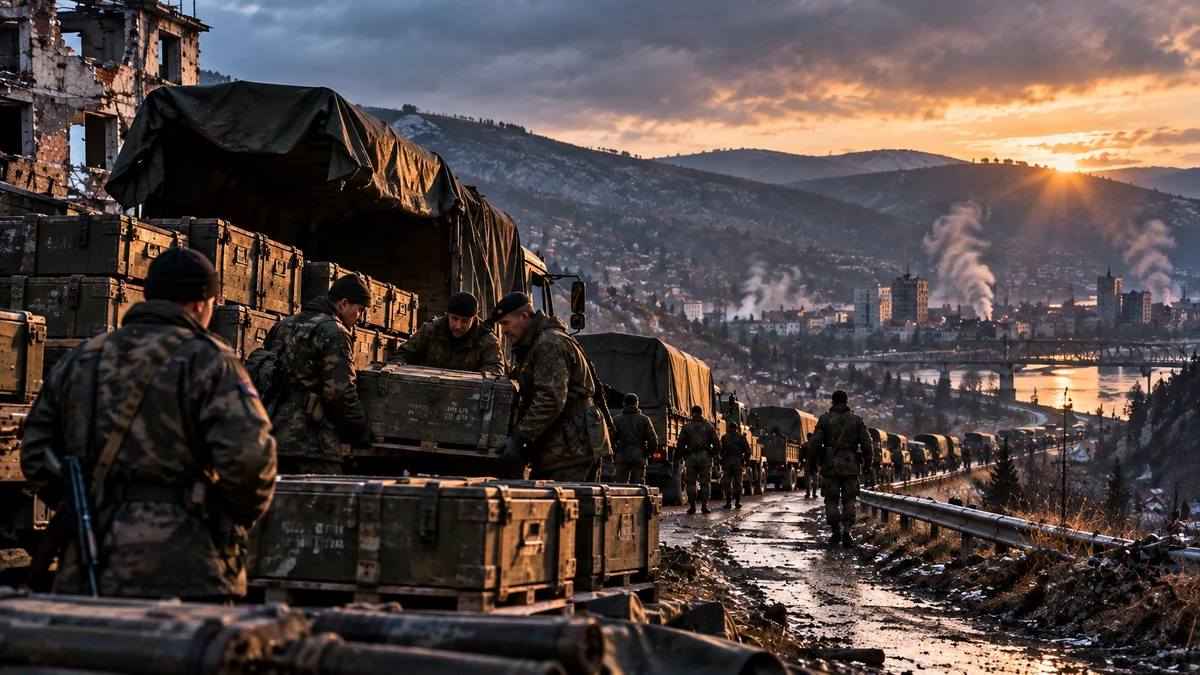
Aid to Croatia and Bosnia, covert transports, cash payments and scandals: reconstructing Slovenia’s arms issue from 1991 to 1993.
Read article
What happened to Slovenia’s Territorial Defence weapons in 1990 and how an alternative defence structure formed before independence.
Read article
How Germany, the United States and the European Community shaped the international framework of breakup and the dispute over recognition.
Read article
How economic insecurity, regional inequality, constitutional disputes and political elites increasingly translated conflict into national terms.
Read article
How the foreign-exchange crisis, IMF, World Bank and foreign creditors shaped the conditions of Yugoslavia’s response to economic crisis.
Read article
Debt, oil, interest rates, inefficient investment and inflation: how the economic crisis of the 1980s eroded Yugoslav social security.
Read article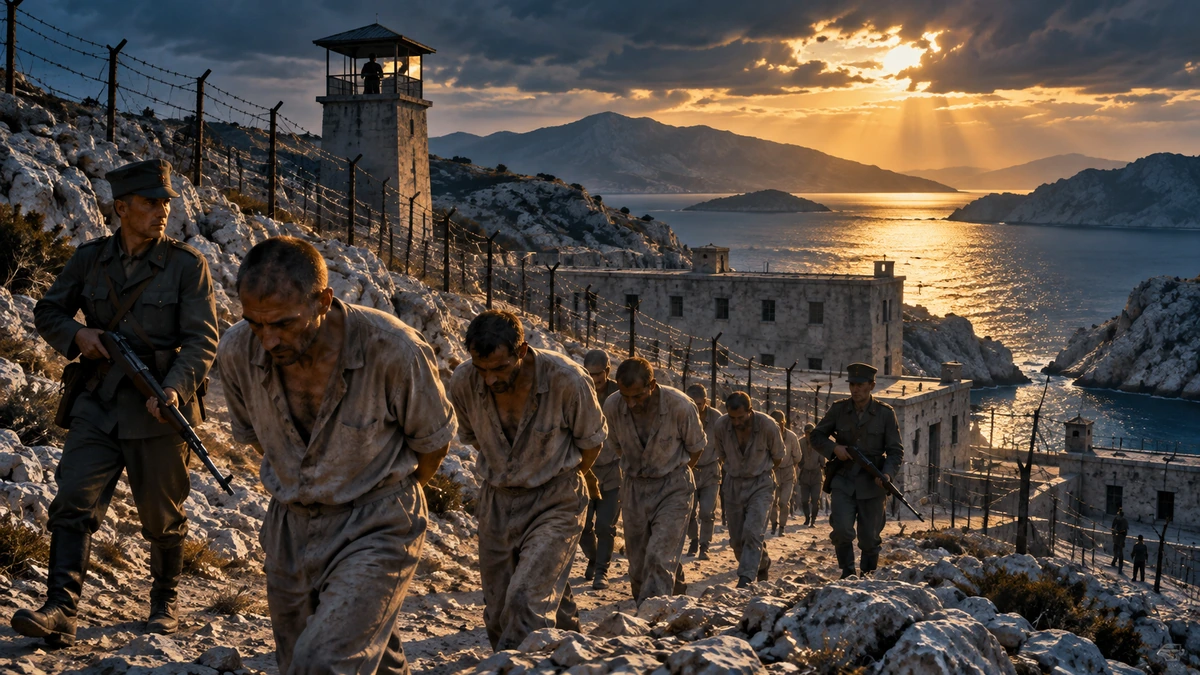
Repression, Goli Otok, Party rule and structural weaknesses — the other side of a country many people also remember with affection.
Read article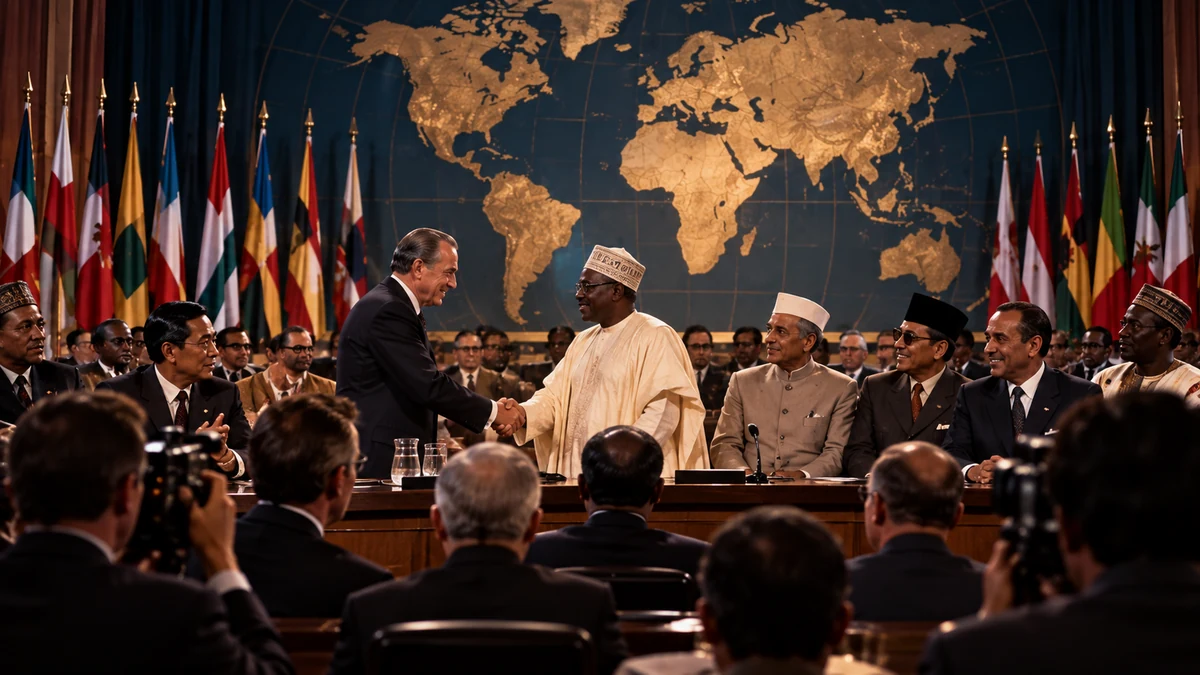
From the break with Stalin to Belgrade 1961: how Yugoslavia turned its position between the blocs into an independent foreign-policy strategy.
Read article
How social ownership, workers’ councils and the market worked, and how much real power an ordinary worker had under Yugoslav self-management.
Read article
What do the data support about memories of work, school, healthcare, housing and social security in Yugoslavia — and where does nostalgia need correction?
Read article
A detailed presentation of *Secret and Suppressed II*: Newspeak, disinformation, the Illuminati, parascience, weather warfare, 9/11, electronic voting, surveillance, and post-2001 alternative research.
Read article
A presentation of *Secret and Suppressed*: mind control, Jonestown, Casolaro, Waco, disinformation, the Vatican, AIDS, and the hidden-history culture of the early 1990s.
Read article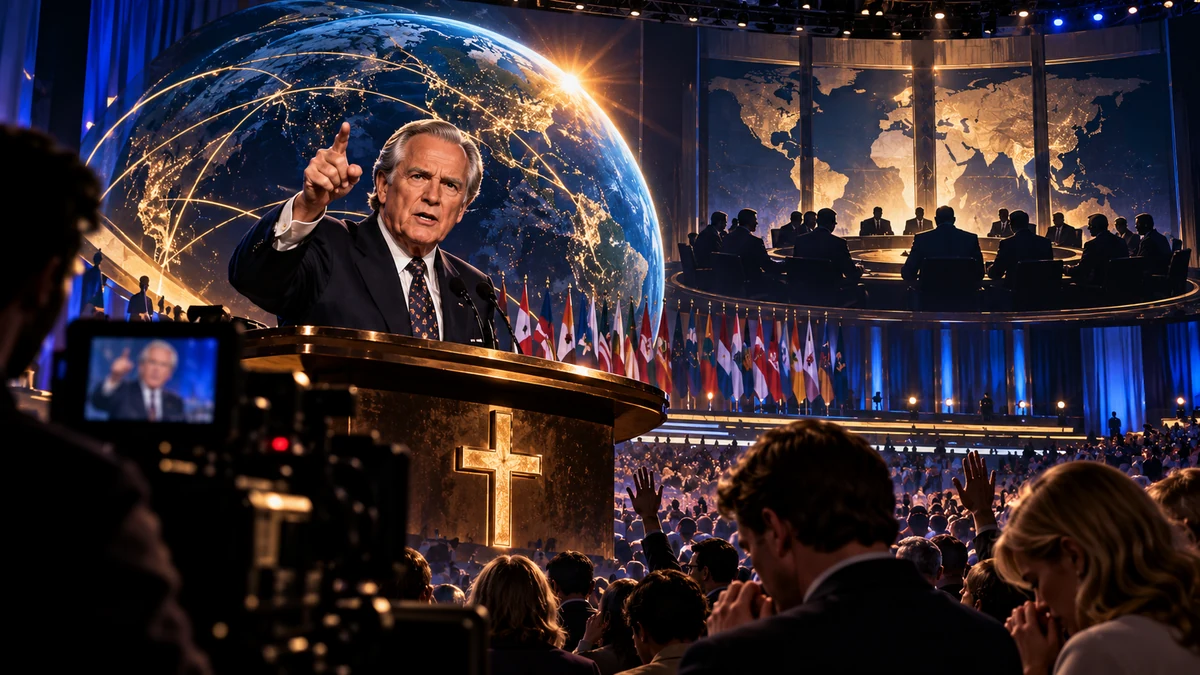
A presentation of Robertson’s *The New World Order*: the UN, CFR, Trilateral Commission, Federal Reserve, Illuminati, Freemasonry, and a Christian interpretation of global order.
Read article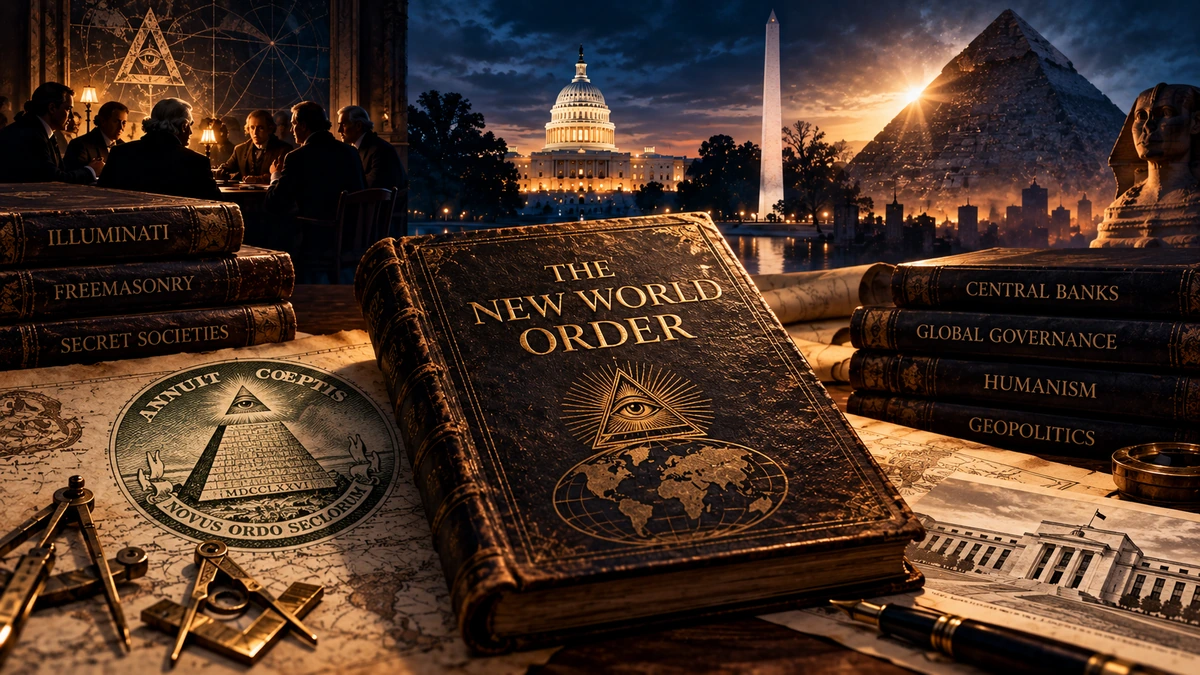
A presentation of Epperson’s *The New World Order*: the Great Seal, the Illuminati, Freemasonry, Marx, the Thule Society, humanist manifestos, and the author’s model of a new world order.
Read article
Ring of Power links 9/11, symbolism, genealogy, banking, and elite networks. The article tests individual claims against documents and history.
Read article
Bilderberg, CFR, and the Trilateral Commission as documented influence networks—and the line between institutional access and demonstrated causation.
Read article
Who controls which information gates? Ownership, editorial decisions, platforms, search, advertising, infrastructure, the state, and AI.
Read article
The documented history of Tavistock, group dynamics, and socio-technical research compared with later theories of mass social control.
Read article
A presentation of *Mind Control, World Control*: BLUEBIRD, ARTICHOKE, MKULTRA, RHIC-EDOM, Sirhan Sirhan, MONARCH, HAARP, Tavistock, and Keith’s model of mind control.
Read article
Meerloo on mass delusion: slogans, fear, suggestion, and social contagion compared with modern psychiatry and social psychology.
Read article
Meerloo’s menticide, propaganda, fear, and conformity compared with modern psychology: what has empirical support and what does not?
Read article
The Israeli attack on USS Liberty on 8 June 1967 is documented; what remains disputed is whether the attackers knew the ship was American.
Read article
The Gulf of Tonkin shows how a real first attack, an uncertain intelligence picture, and political decision-making can combine into the basis for a major strategic shift.
Read article
Operation Northwoods was a documented 1962 JCS proposal for staged or manufactured pretexts that would portray Cuban aggression as justification for U.S.
Read article
Operation Susannah was a documented 1954 false-flag operation. The central disputed question is who gave the final authorization.
Read article
The Mandela effect is real in a narrow sense: many people can independently report the same specific false memory.
Read article
Near the end of the forest exile, Yudhishthira finds his four brothers motionless beside a lake and accepts an unseen Yaksha's condition: questions first, water second.
Read article
Tartary is genuinely present on old maps, but a map label is not yet proof of one state.
Read article
In 1987 VNIITE presented SFINX: a modular domestic information system with a central processor, multiple displays, universal controllers, voice input and network logic. What was actually designed — and what belongs to later legend?
Read article
The seven rainbow chakras are not one unchanged ancient system; today’s standard image combines several traditions and later Western reinterpretations.
Read article
A critical review of Fauci's AIDS-era role: the early household-transmission error, AZT toxicity and dosing, conflict with ACT UP, the real 1987 Times headline, and the boundary between documented controversy and viral claims.
Read article
*The Secret World Government* (1926): Cherep-Spiridovich’s model of the “Hidden Hand,” financial dynasties, revolution, information influence, and hidden world rule.
Read article
Propaganda pretended to come from North Korea in order to show Western society through an outsider's lens.
Read article
Kalava or mauli is a simple ritual thread with a long history of protection, blessing and binding. The sources reveal older Vedic antecedents, regional variation, the King Bali mantra, and an important distinction between kalava and rakhi.
Read article
How can we distinguish a documented false-flag operation from a proposal, disputed attribution, propaganda and later theory — and what happens when the first story has already produced political consequences?
Read article
What can modesty mean if a woman is not property and her dignity is not a market price? Historical dress codes, sexual double standards, objectification, consent, and bodily autonomy within one ethical framework.
Read article
The Ten Oxherding Pictures trace a Zen path from restlessness and searching through discipline and direct insight to emptiness and return among people. What do we know about Kuoan's series, and why does the final image end in the marketplace?
Read article
Across Indian traditions, karma is not one formula but several models of action, intention, consequence, rebirth and freedom.
Read article
From the historical Essenes and the Qumran manuscripts to Gregg Braden: where the Seven Mirrors teaching comes from, what each mirror means, and where the spiritual metaphor meets modern relationship psychology.
Read article
Who was Coudenhove-Kalergi, what did he actually write about Paneuropa and the future human being, and what do current data really show about migration, asylum and demography in the EU and Slovenia?
Read article
What does the Monroe Institute actually do? Robert Monroe’s history, Hemi-Sync, Gateway Experience, Focus levels, programs, subjective experiences, military documents and the research that can be checked.
Read article
From Dove’s acoustic experiments to EEG and clinical research: how binaural beats arise, what entrainment measurements actually show, and which effects on anxiety, pain, memory, attention and sleep are supported by evidence.
Read article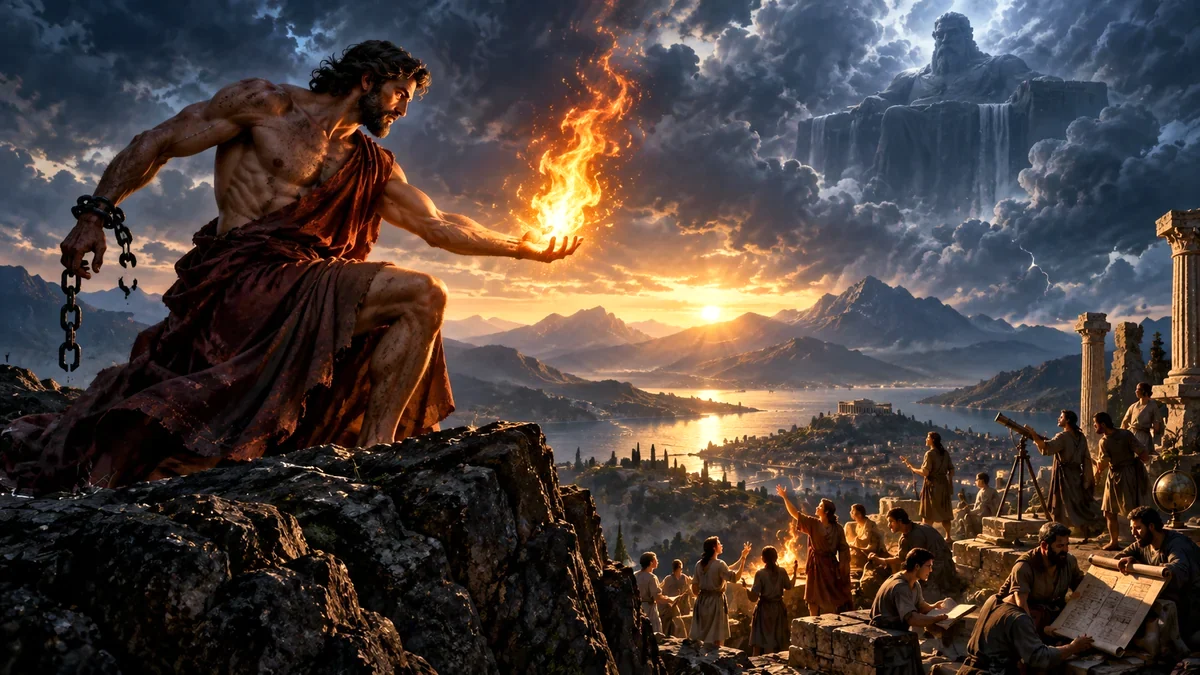
Prometheus as the giver of fire, knowledge and humanity’s creative capacity — and as a symbol of the person who places conscience, responsibility and freedom before authority’s bare demand for obedience.
Read article
The article separates the Protocols’ content and documented origins from modern parallels that do not by themselves prove a common hidden plan.
Read article
What does H. G. Wells actually propose in The New World Order (1940), and how were personal rights and universal law meant to constrain world authority?
Read article
How does Jeremy Locke build a radical critique of law, the state, democracy, obedience culture and centralized control from freedom and personal sovereignty — and where does his theory cross into controversial revolutionary rhetoric?
Read article
How did Zbigniew Brzezinski in 1997 understand Eurasia, American primacy, geopolitical pivots and Ukraine’s special role — and how can the book be compared with later history without confusing similarity with causality?
Read article
How does Engdahl connect Joint Vision 2020, NATO, bases, color revolutions, missile defense and the post-9/11 order into one model of American power?
Read article
Castaneda’s “predator’s mind”: Don Juan, the Yaqui frame, *Magical Passes*, “Mud Shadows,” the “foreign installation,” neo-shamanism, Archons, and psychological and social parallels.
Read article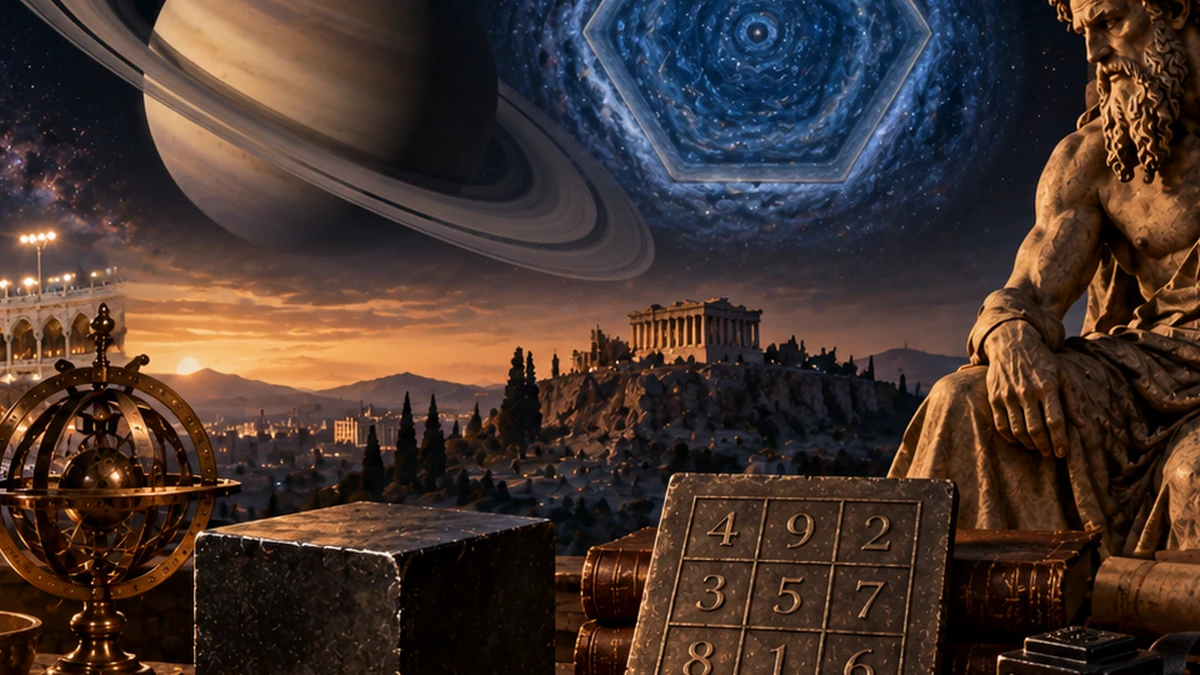
What is actually documented in the links among Saturn, the hexagon, the cube, sevenfold symbolism, the Sabbath, the Kaaba, tefillin and the hexagram — and where does historical evidence become esoteric interpretation or an open hypothesis?
Read article
How did Saturnian symbolism develop from Rome to modern esotericism — and why should links among the Sabbath, sevenfold symbolism, the cube, Kaaba, tefillin and Saturn be treated as an open hypothesis rather than either proven fact or a closed case?
Read article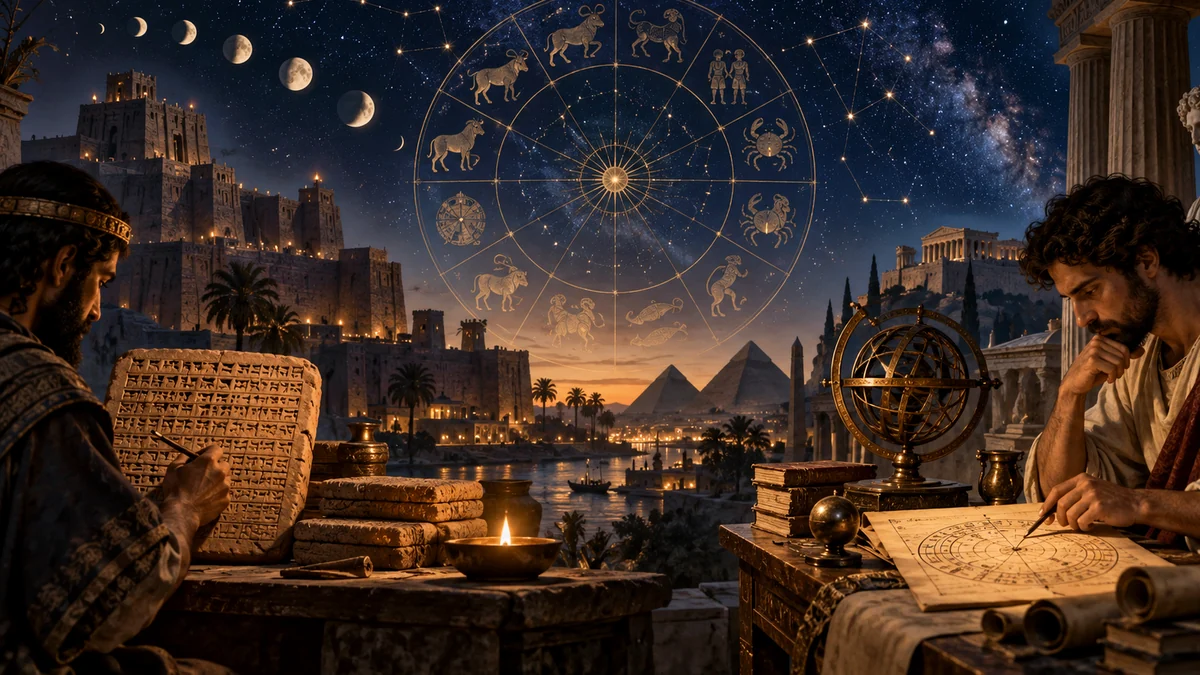
How did Mesopotamian celestial divination, the Babylonian zodiac and Egyptian timekeeping traditions develop into the Hellenistic natal horoscope?
Read article
How did a northern Italian Renaissance trump game become an occult and psychological symbolic system through Court de Gébelin, Etteilla, Éliphas Lévi, the Golden Dawn and Rider-Waite-Smith?
Read article
Where do the seven Hermetic principles actually come from, which of their themes appear in the ancient Corpus Hermeticum, and what in The Kybalion is a modern synthesis?
Read article
What did Horkheimer, Adorno and Marcuse actually argue, how did their ideas influence the New Left, and where does documented history end and the later “Cultural Marxism” narrative begin?
Read article
How did limited post-war cooperation evolve into a supranational system with progressively deeper joint decision-making — and where is the boundary between cooperation, centralisation and national policy autonomy?
Read article
The article separates three 9/11 questions — the hijackings, foreknowledge, and collapse mechanisms — and consolidates the strongest technical, intelligence, and support-network evidence without turning anomalies into unproven conclusions.
Read article
From Buck v. Bell and sterilization abuses involving Native American women to India, Peru, Romania, Japan, the Czech Republic, and Canada: how demographic goals become rights violations when the state substitutes itself for free reproductive choice.
Read article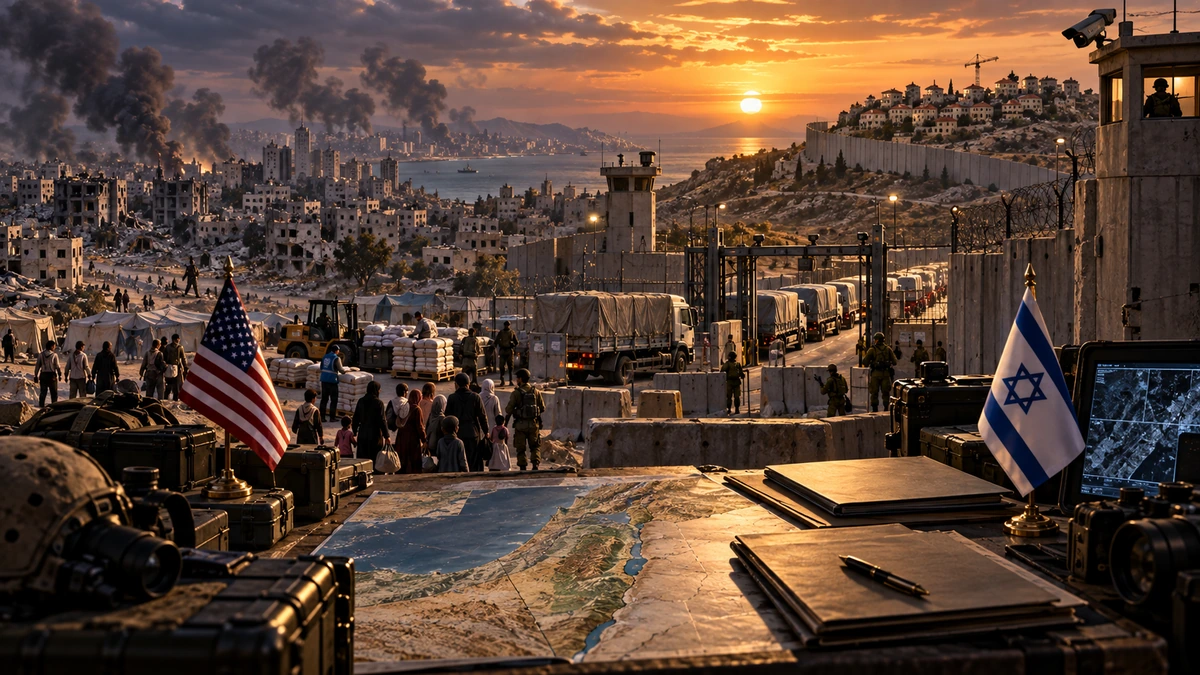
From the Balfour Declaration to the Gaza war: a chronology of key decisions, alliances, and conflicts in the Middle East.
Read article
Hitler’s final days under scrutiny: bunker testimony, dental identification, Soviet handling of remains, and postwar FBI and CIA leads.
Read article
Kali Yuga is not named after the goddess Kālī. This article traces the four yugas from early metaphors and the Mahābhārata to the Purāṇic 432,000-year chronology, the 3102 BCE epoch, Kalki, and modern shorter reinterpretations.
Read article
Steiner’s cosmos links physical, etheric, astral, and spiritual levels with planetary incarnations, Lemuria and Atlantis, karma, spiritual hierarchies, and Christ, Lucifer, and Ahriman.
Read article
From a philosophy of freedom to anthroposophy: Steiner’s path through the Goetheanum, Waldorf education, biodynamics, medicine, and cultural reform.
Read article
Three anonymous texts from 1614–1616 triggered a European Rosicrucian ‘furore’. What in the story of Christian Rosenkreuz is documented history, what is literary programme, and when did real organisations emerge from the myth?
Read article
Petrov argued that the highest power is not necessarily government but the ability to define the concept, knowledge and decision framework.
Read article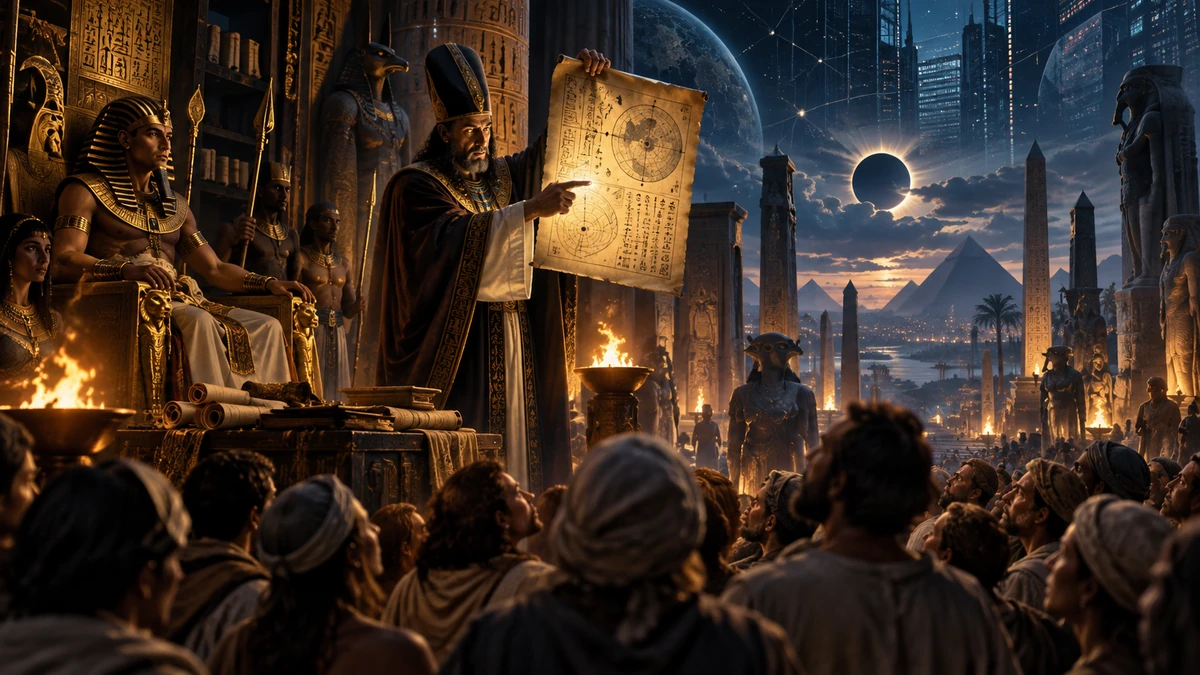
Here Pharaoh functions primarily as an allegory of power: whoever controls knowledge has power. From the eclipse to archives, data and interpretation, the article examines how information asymmetry can turn formal authority into operational power.
Read article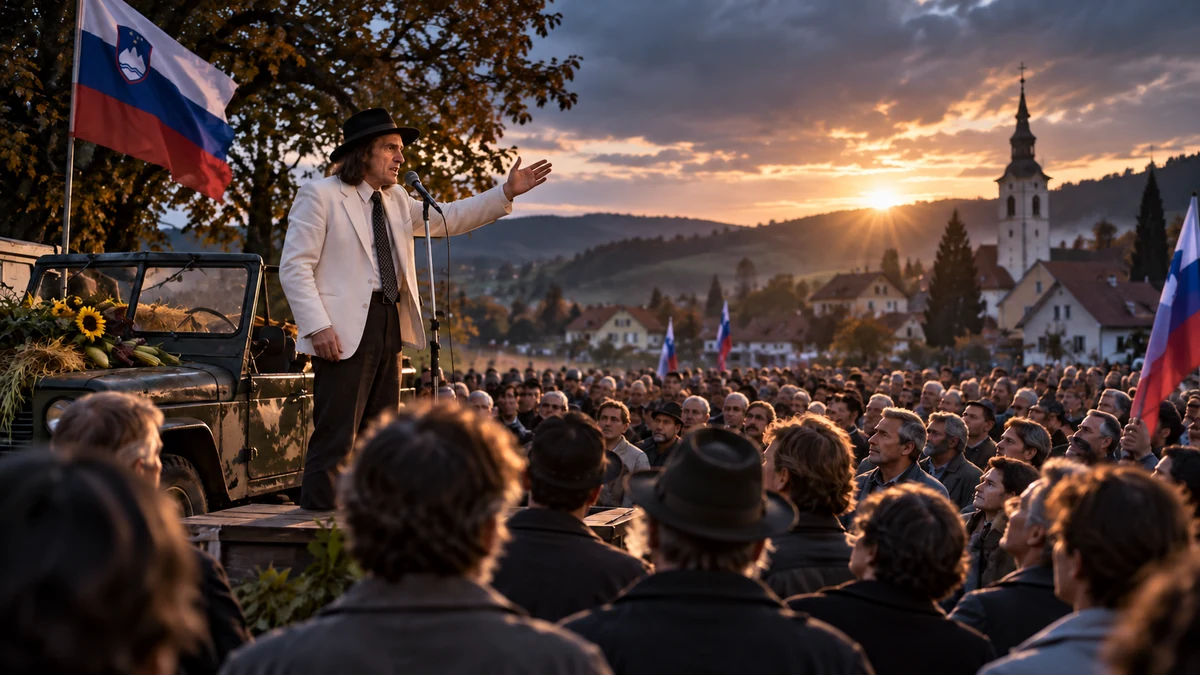
Nearly one fifth of the vote without a major party machine, a renewed 1992 campaign and a killing whose final court judgement did not end public doubt.
Read article
The 1970s were neither an era of unanimous scientific fear of a new ice age nor a time when cooling was never taken seriously.
Read article
From Crowley on Sgt. Pepper and Jimmy Page to JAY-Z, Beyoncé, Kanye West, Lady Gaga, Doja Cat and Playboi Carti: where is an occult link documented, where is symbolic aesthetics deliberate, and where must the question remain open?
Read article
Some modern logos and older ritual emblems are not merely vaguely similar: they share strikingly close silhouettes or internal geometry.
Read article
A clipping attributed to 1989 describes implanted microchips, a master computer, tracking, and vaccination.
Read article
From collective defence to a broader security infrastructure: a critical review of NATO enlargement, interventions, and U.S. weight in the alliance.
Read article
LSD has been an investigational medicine, a psychiatric tool, a subject of secret CIA experiments, a countercultural symbol, and a prohibited substance; today it is back in late-stage clinical trials. What is documented in that history, and where does speculation begin?
Read article
DMT is at once an endogenous molecule, an Amazonian plant alkaloid, a religious sacrament, a modern psychedelic, and a research tool for consciousness. How is it used around the world, what can neuroscience measure, and where do open questions begin?
Read article
What do earlier coronavirus patents and research document—and what cannot be inferred from their existence about the COVID-19 pandemic?
Read article
Kelly’s 1980s manual is a real document collecting dozens of unconventional energy projects. What is historically verifiable, what is established physics, and where does the over-unity claim require an independent energy balance?
Read article
Lilith is not one unchanged figure. From Mesopotamian lilu/lilītu, Isaiah, and Qumran through Talmudic and magical demonology to the medieval first-wife legend and modern feminist icon, her story is repeatedly transformed.
Read article
Adam ha-Rishon and Adam Kadmon are often presented as though Jewish tradition taught two primordial humans. The sources reveal a more complex development—from Genesis and the rabbinic cosmic Adam through Philo and Paul to the Zohar and Lurianic Kabbalah.
Read article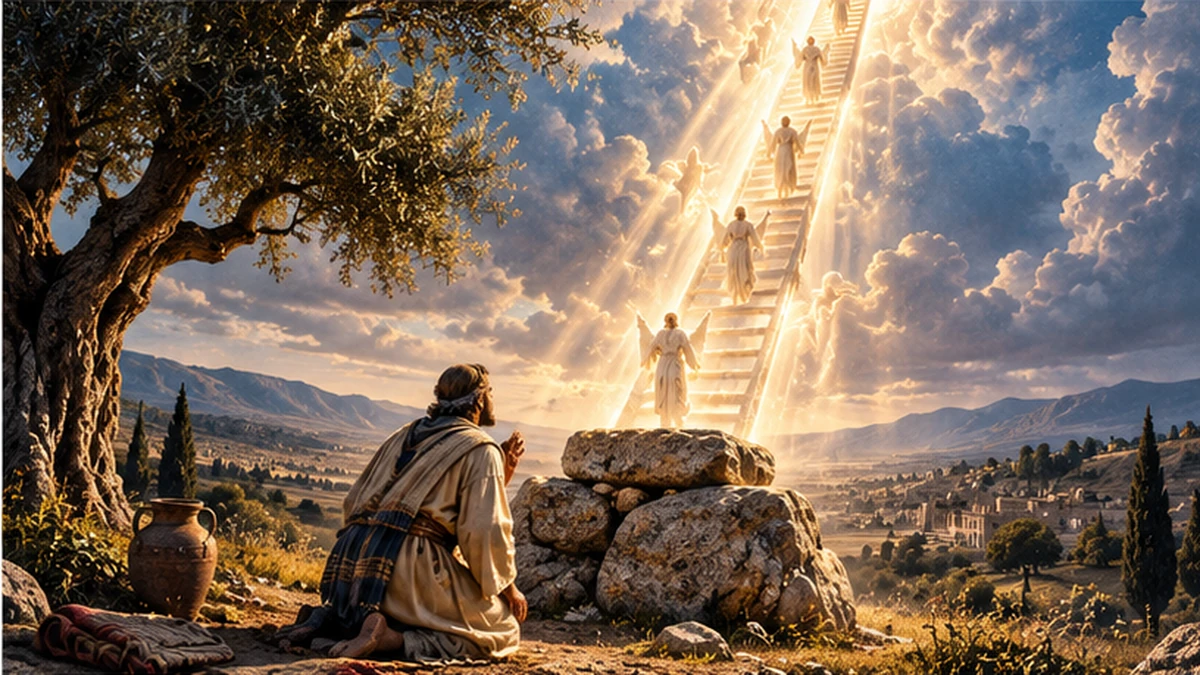
What does Genesis actually say about Jacob’s stone at Bethel? From the maṣṣēbāh and the northern Israelite sanctuary to archaeology, the prophets, Jubilees, and the later Stone of Scone legend, we separate text, cultic memory, and later mythology.
Read article
Does the Gospel silence really point to Jesus studying in India? We examine Notovitch’s Issa manuscript claim, later Himalayan confirmations, Ahmad’s Kashmir thesis, and the history of Roza Bal.
Read article
What does Matthew’s strange scene of opened tombs and raised saints mean, why is it absent from the other Gospels, and how should we read the different accounts of Judas’s death in Matthew and Acts?
Read article
Mark 16:9–20, John 7:53–8:11, and the Comma Johanneum have three very different manuscript histories. What does textual criticism actually show about their originality, age, and later reception?
Read article
All four Gospels know an empty-tomb tradition, yet they differ over the women, timing, messengers, reactions, Galilee, and Jerusalem. What belongs to the common core, and what reflects each evangelist’s literary shaping?
Read article
Why do Passover and Easter remain in the spring season, how does 14 Nisan relate to the full moon and equinox, and what do comparable spring festivals from Babylon and Iran to late Rome actually tell us?
Read article
The Barabbas scene may be more than a historical episode: does Matthew reshape the older two-goat rite of Leviticus 16 into a new Passion narrative that preserves the core pattern of two figures and two opposite fates?
Read article
Horus, Osiris, Mithras, Dionysus, Attis, and Jesus are often placed on one checklist: virgin birth, December 25, twelve followers, death, and resurrection. Which parallels are actually documented, and which arise only after retrospective pattern-making?
Read article
Job names the Pleiades, Orion, and the enigmatic Mazzaroth; 2 Kings 23 mentions mazzalot; Isaiah knows star-gazers. How much zodiac is actually in the Bible — and where do later astro-theological reconstructions begin?
Read article
A detailed presentation of Graves’s *The Biography of Satan*: the development of Satan, Sheol and Gehenna, Lucifer, Persian and astral motifs, and the author’s comparative history of the Christian Devil.
Read article
What did Origen actually teach in Peri Archōn, how much survives in Greek, what did Rufinus change, and why does John Behr read the work differently from the older Butterworth translation?
Read article
What do Philostratus' eight books actually tell us about Apollonius of Tyana, how reliable is Damis, and what do the parallels with Jesus mean once source chronology is preserved?
Read article
What does *The Works of Josephus: Complete and Unabridged* contain, how does it combine Josephus with Whiston’s editorial tradition, and how does it present Judaea and the first-century Roman world?
Read article
Piso Christ argues that a small group of Roman elites created Christianity and the New Testament and that several famous ancient names conceal the same people.
Read article
The Gospels narrate Jesus through older scriptural patterns: Matthew draws especially densely on Moses, exodus, and Israel, while Luke develops Elijah and Elisha motifs. Typology, however, is neither historical proof nor proof of invention.
Read article
Matthew and Luke agree on Bethlehem and a Davidic connection, yet tell different infancy stories, provide different genealogies, and use chronological anchors that are difficult to fit into one historical timeline.
Read article
The canonical Gospels were not written at the same time, and other gospels were not an equivalent pile of “forbidden books.” The timeline of texts, manuscripts, and canon formation shows a far more complex development.
Read article
A comparison of where Jesus’ teachings clearly align with Natural Law, where they align only partly because the foundations differ, and where the comparison reaches its limits.
Read article
Buddhism teaches universal ethical restraints, karmic causation, and compassion for all beings. Is this a form of Natural Law—or a similar moral order grounded in a different metaphysics?
Read article
Patañjali calls the yamas a universal great vow. Is this an Indian version of Natural Law—or a significant resemblance between two distinct ethical and metaphysical systems?
Read article
Is Sanātana Dharma the ancient name of Hinduism, a broader way of life, or an eternal order? The history of the phrase reveals an old dharma concept, a modern collective name, and an important distinction between them.
Read article
Revelation asks the reader to calculate the beast’s number. Why do most manuscripts read 666 while some early witnesses read 616—and why does that difference strongly support, but not finally prove, a connection with Nero?
Read article
When a translation renders several different terms with the single word “hell,” the Bible can appear to describe one uniform place. The source texts distinguish Sheol, Hades, Gehenna, and Tartarus—and Revelation's lake of fire is not even identical with Hades.
Read article
Job 1–2 does not portray God and ha-satan as equal cosmic enemies, but as figures within a heavenly court scene.
Read article
Satan is not the same figure from the first page of the Bible onward. The early word means an adversary or accuser; later Jewish and Christian texts gradually connect the heavenly accuser, demons, the serpent, Lucifer, and a cosmic enemy.
Read article
Why do many older buildings feel rich in scale, rhythm, and detail while contemporary construction often appears repetitive and impersonal?
Read article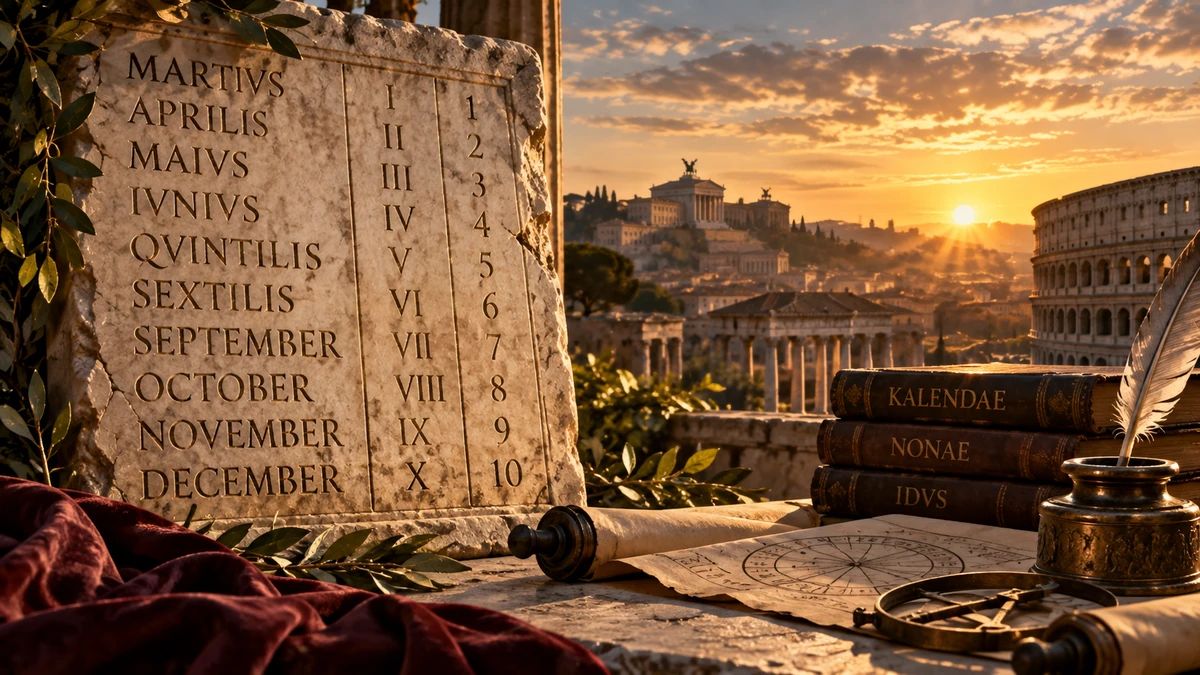
September means seventh, yet it is the ninth month. Is that an error, a trace of an older Roman calendar, or something more? A review of month names, the Numa tradition, Republican fasti, and Caesar’s reform.
Read article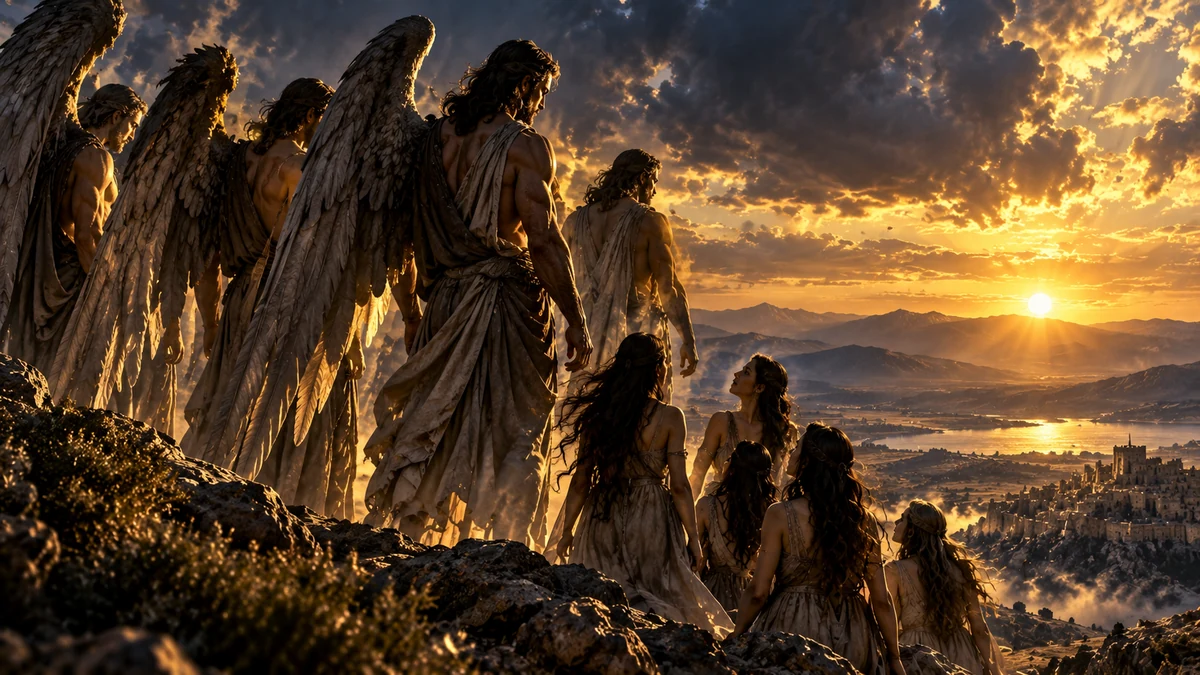
Genesis 6 gives only four enigmatic verses. 1 Enoch expands them into a story of Watchers, giants, and forbidden knowledge. What belongs to the original text and what to later interpretation?
Read article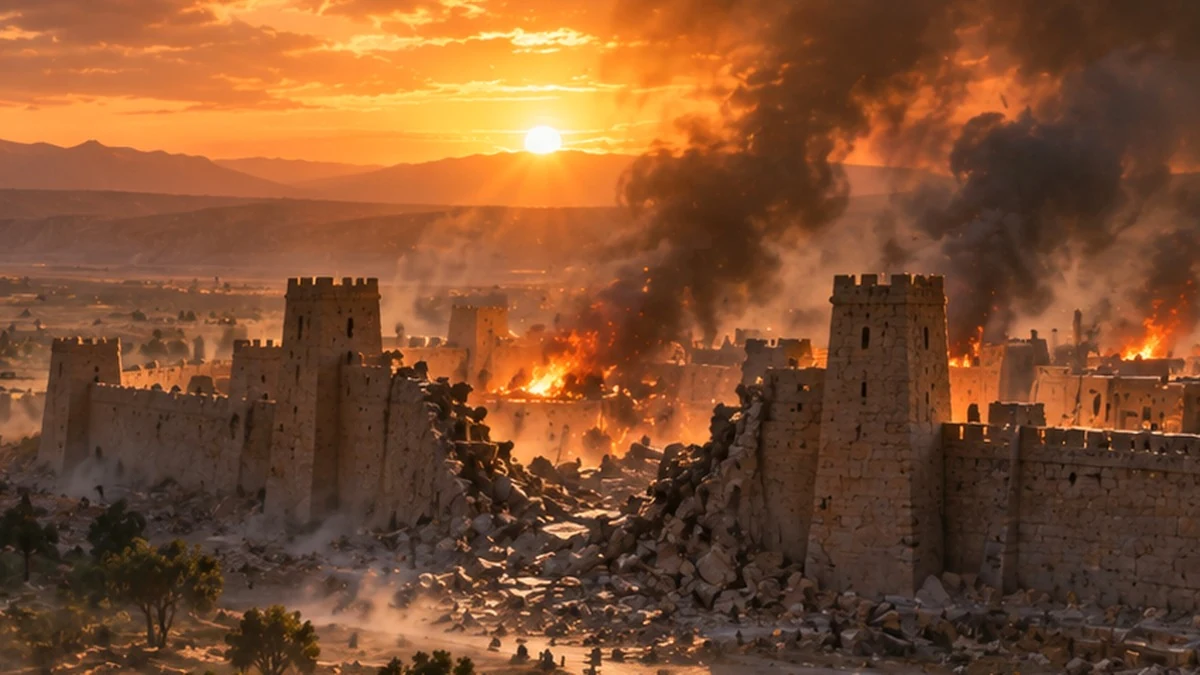
Jericho, Ai and Hazor became tests of the historicity of Joshua’s conquest. What do destruction layers, ruins and the emergence of early Israel actually show?
Read article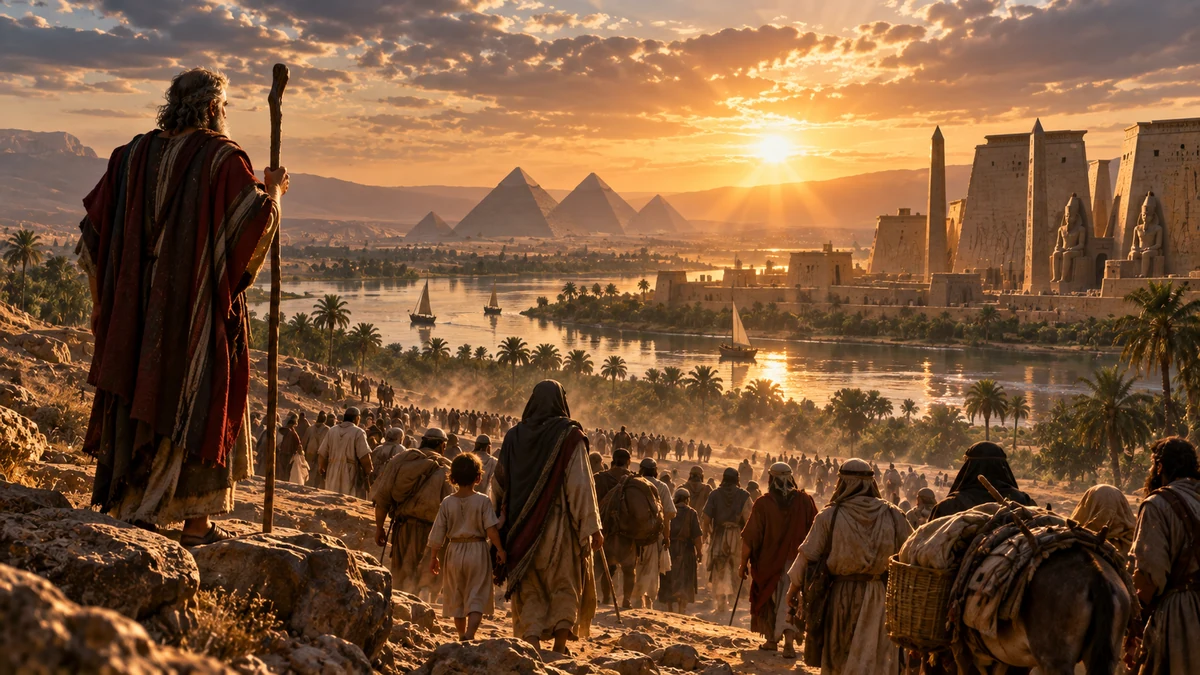
Archaeology does not confirm a mass Exodus on the scale implied by a literal reading of the text.
Read article
The stories of Sargon and Moses share a strikingly precise motif: an infant in a sealed basket on a river. But the historical Sargon is not the same thing as the much later surviving Sargon legend, and similarity alone does not prove direct copying.
Read article
Patents show that a technical idea was concretely described and legally claimed. By themselves they do not prove that a device was built, deployed, or effective at operational scale.
Read article
Operation Popeye proves that military weather modification through cloud seeding was already an operational technology in the 1960s. The article then separates today’s publicly acknowledged use from the open question of possible non-public capabilities.
Read article
Around 1900 electric cars seriously competed with steam and gasoline; their decline had technological, economic and infrastructure causes.
Read article
How did The Sun present fictional life on the Moon as plausible science in 1835—and what does the episode reveal about media authority?
Read article
Genesis, Atrahasis, and Gilgamesh share striking flood motifs. What does that reveal about common tradition, adaptation, and possible historical memory?
Read article
Genesis 1 and Genesis 2–3 are not simply the same story from two camera angles: they differ in style, divine designation, sequence, and anthropology.
Read article
The Hebrew Bible preserves both demands for exclusive loyalty to Yahweh and traces of a wider divine world.
Read article
Jewish and Christian tradition linked the Torah with Moses for centuries. Yet the text usually speaks of Moses in the third person, describes his death, and shows signs of multiple layers. What can we actually conclude from this — and what can we not?
Read article
Tesla is extraordinary enough without myth: polyphase AC, the induction motor, remote control and wireless experiments are documented.
Read article
Early Islam is not a single chronological layer. The Qur’an, early manuscripts and inscriptions, sira, hadith, the caliphate and legal schools belong to different periods and require different evidentiary weighting.
Read article
Early Christianity did not begin as a finished institution. From a Jewish Jesus movement, disputes over Gentiles, leadership, teaching, texts and authority produced multiple churches, a canon and later orthodoxy.
Read article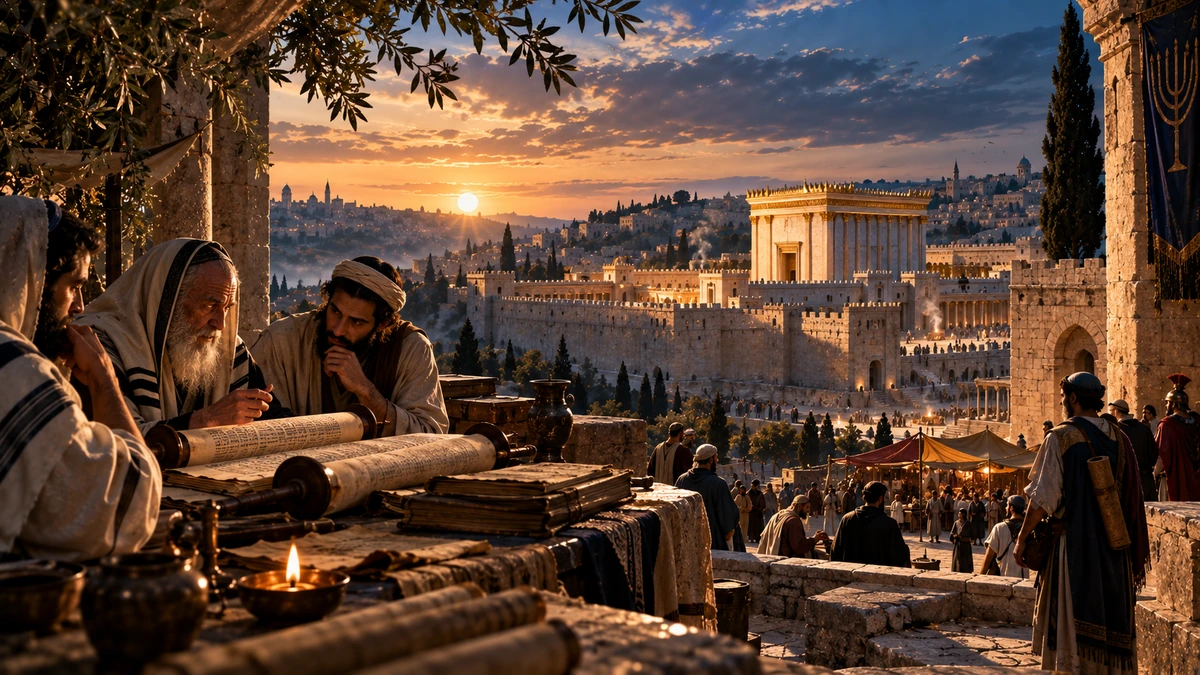
Second Temple Judaism was not one uniform tradition but a plural world of Temple, Torah, diaspora, sects, apocalyptic expectation and empire, from which rabbinic Judaism and Christianity gradually emerged after 70 CE.
Read article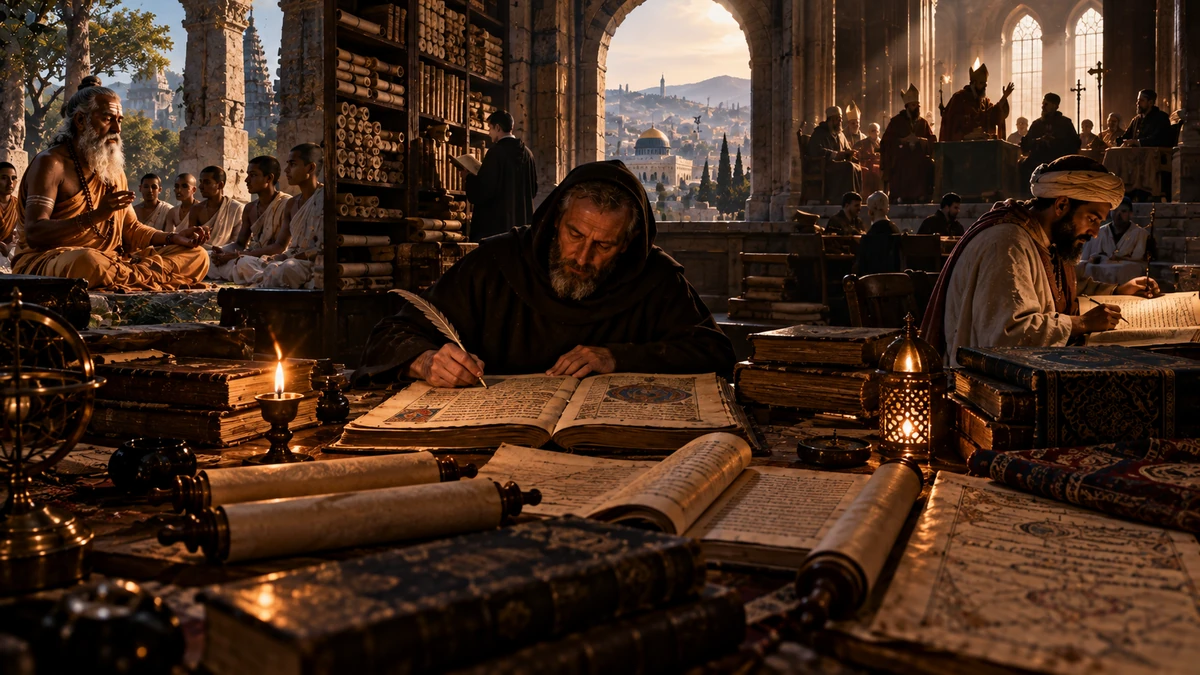
Sacred texts often form through oral tradition, writing, redaction, manuscript variation, translation and canonization. What does that history demonstrate — and what does it not?
Read article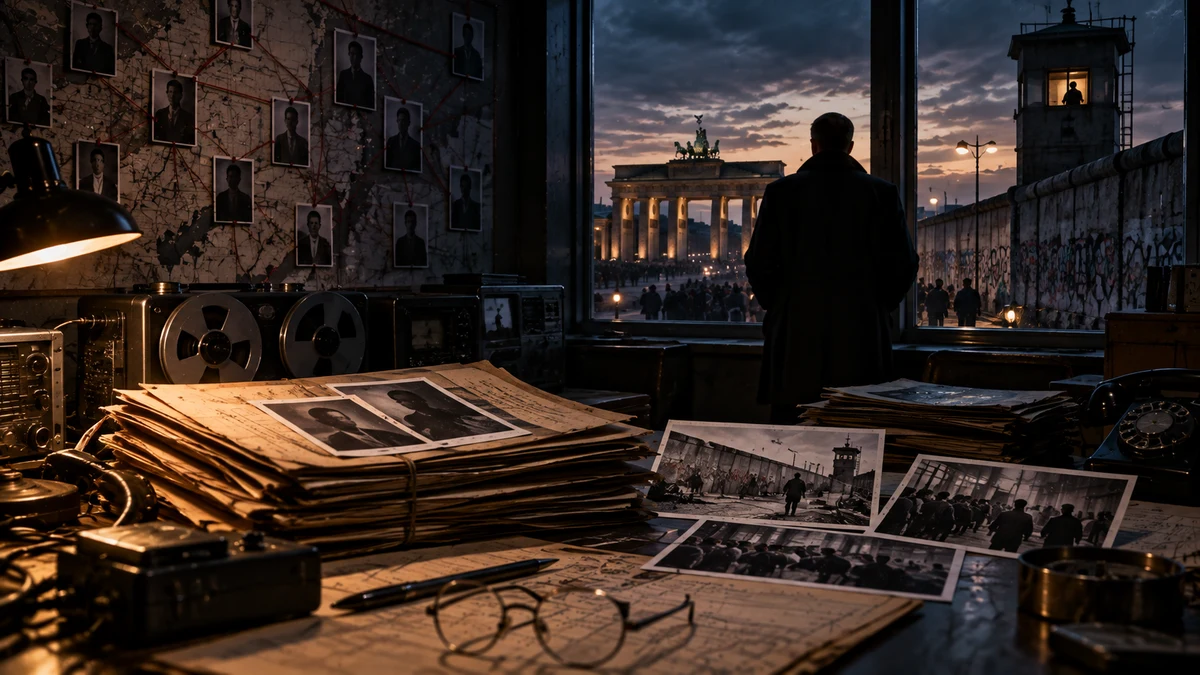
The Stasi was dangerous not because it knew everything, but because it embedded surveillance in mail, phones, workplaces, friendships and families. What happens to a society when no one knows who may be reporting?
Read article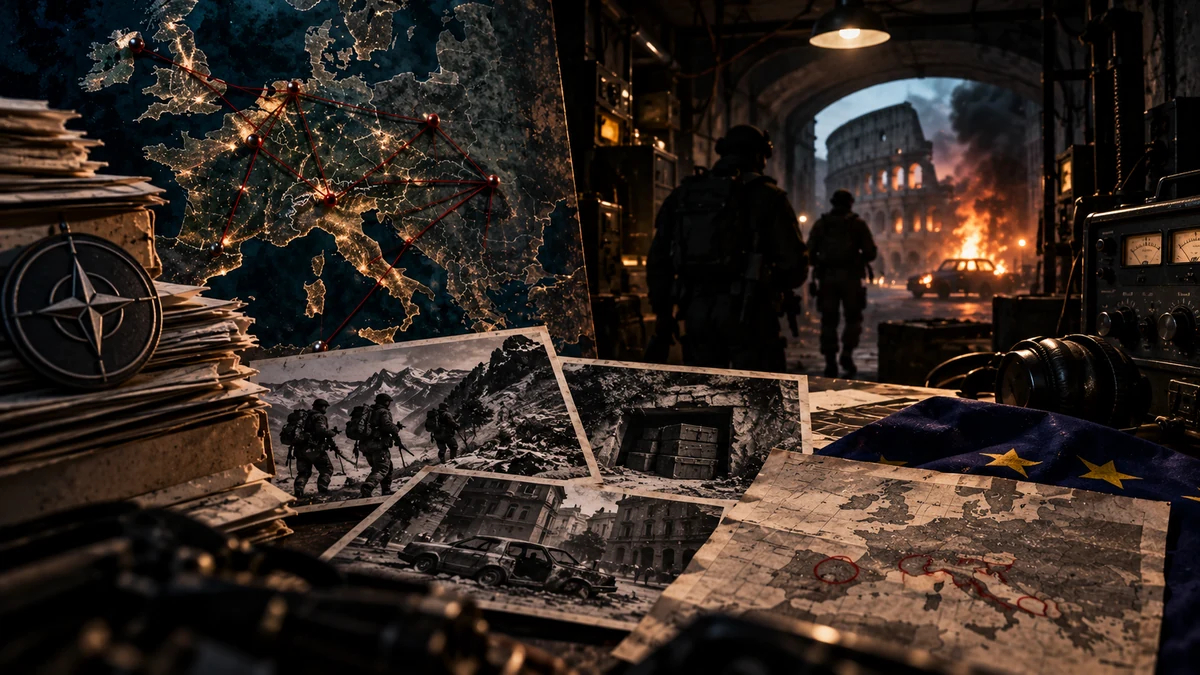
Europe’s stay-behind networks are documented; what remains disputed is which later attacks and political operations can be demonstrably attributed to them.
Read article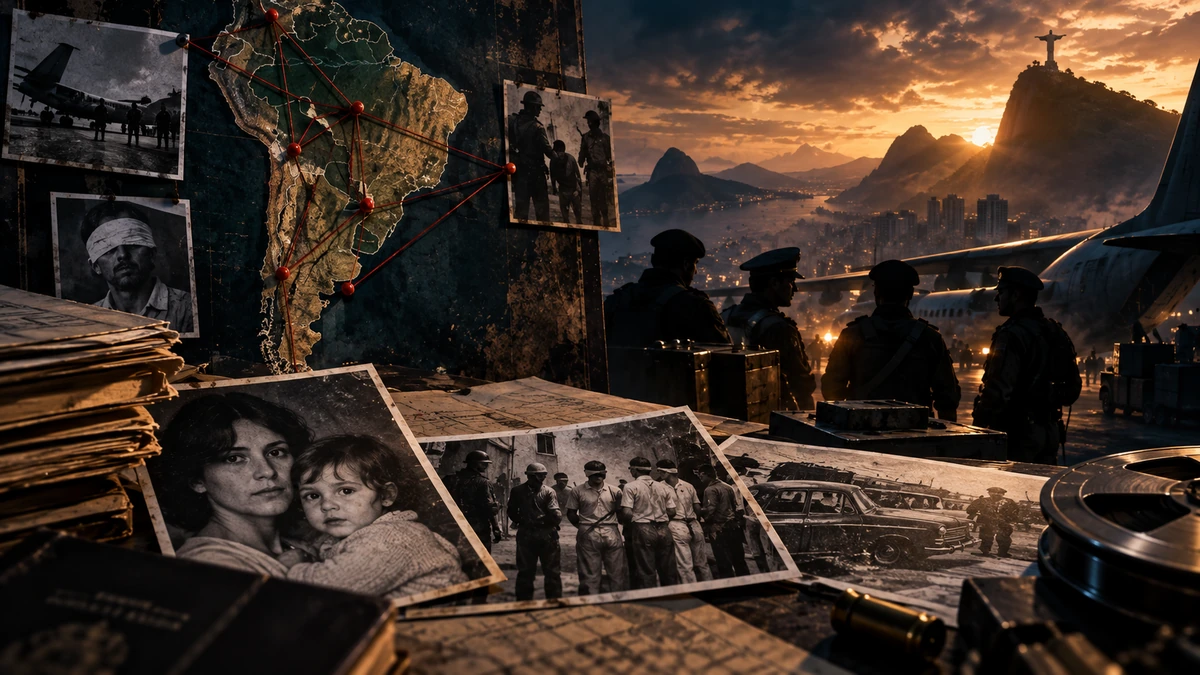
Operation Condor was a documented network of South American dictatorships for cross-border tracking, abduction, torture, disappearance and assassination. What do the archives and judgments prove — and where must overclaiming be rejected?
Read article
Oronce Fine, Mercator and Buache placed vast southern lands on maps before Antarctica was discovered. Do they preserve lost ancient knowledge, or the evolving history of the Terra Australis hypothesis across three centuries of cartography?
Read article
In 1513 Piri Reis compiled a map from about twenty prototypes, including Portuguese charts and an alleged map by Columbus.
Read article
In 1907 a Hawaiian newspaper printed a mysterious circular map now circulated as a 'map of 33 continents'. Yet the primary source never states the number 33. What does the image show, where did it come from, and how does genuine Buddhist cosmography fit into the story?
Read article
The story of Tibetan monks allegedly lifting multi-ton stones with drums and trumpets contains strikingly precise measurements — but how strong is its source trail, and what does modern acoustic physics actually say about such a feat?
Read article
This article explains the mechanism of covert state action: the difference between secret and covert, authorization, compartmentalization, cover, intermediaries, funding, information influence, oversight, declassification, and evidentiary limits.
Read article
How do we distinguish suspicion from a documented hidden operation? This article sets out a method based on claim decomposition, provenance, authenticity, chronology, triangulation, FOIA, declassification, archival gaps, and calibrated confidence.
Read article
What CIA records, congressional investigations, and court files actually establish about BLUEBIRD, ARTICHOKE, and MKUltra — from drugs, hypnosis, and unwitting subjects to destroyed archives and the boundary between a researched objective and an achieved capability.
Read article
Iran in 1953 and Guatemala in 1954 show how covert operations, local allies and psychological pressure contributed to regime change.
Read article
The same stars do not necessarily create the same cultural sky. Matariki, Chinese asterisms, and the Emu in the Sky show how traditions organize a shared physical world.
Read article
Today's 88 constellations are not a natural list but the result of historical development and IAU standardization, from Ptolemy and al-Sufi to southern atlases and Delporte’s boundaries.
Read article
A myth is not reliable history merely because it is old, and it is not worthless merely because it is not a literal report. It can function as a map of values, relationships and a community’s way of understanding the world.
Read article
Knowledge does not survive simply because it was once discovered. It needs records, people, languages, copies, institutions and conditions in which it can be understood and transmitted.
Read article
Comparison can reveal patterns invisible within a single history. It can also create a false ladder of progress when unlike institutions, periods or sources are treated as if they were equivalent.
Read article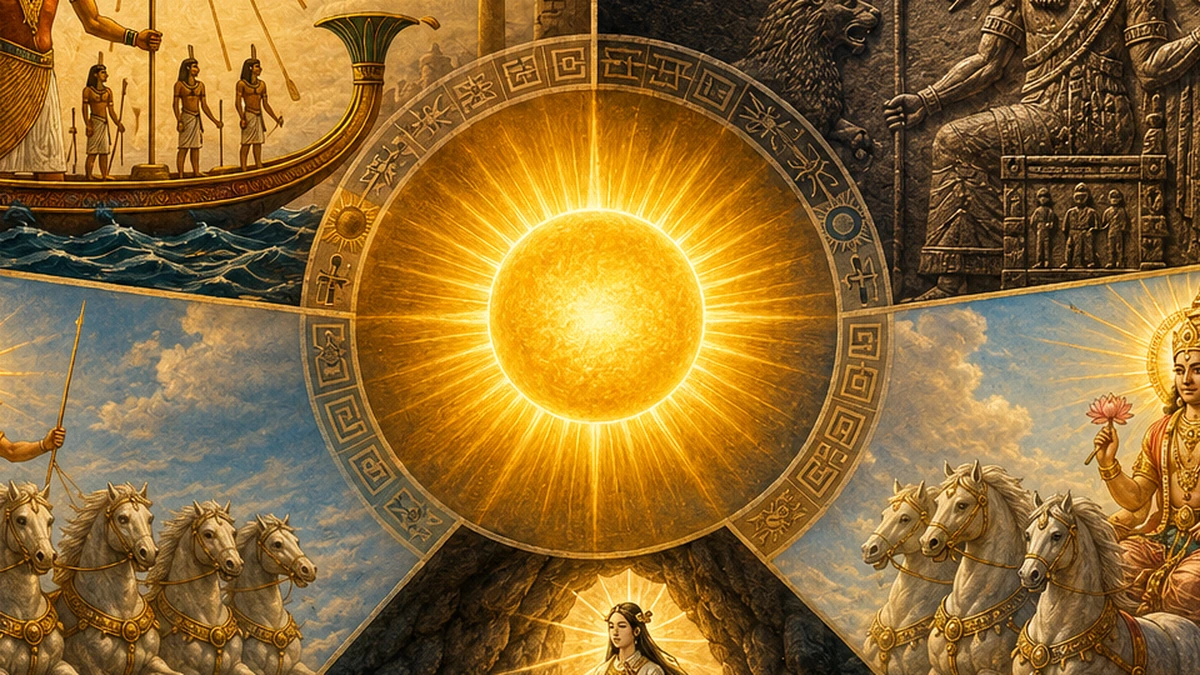
Ra, Shamash, Helios, Surya, and Amaterasu are linked to the same Sun yet belong to very different traditions. What do their similarities actually demonstrate?
Read articleNo article matches your search.