How Do Symbols Acquire Meaning?
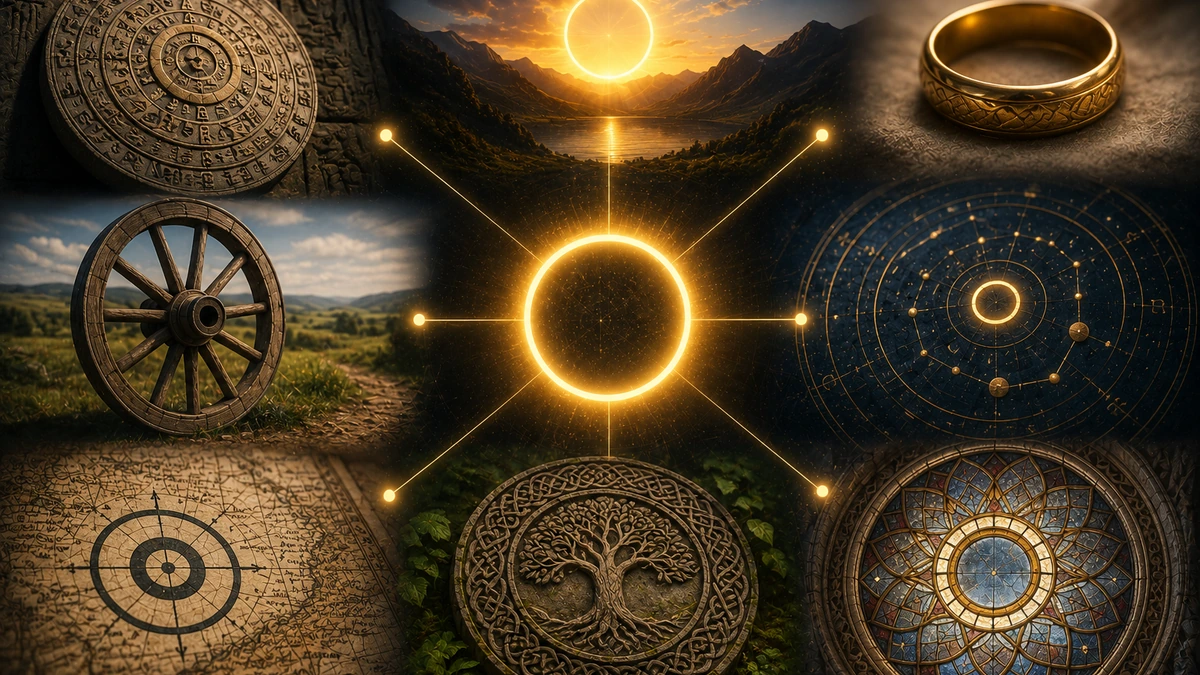
A circle, cross, tree, star, or color does not necessarily have one eternal meaning. A symbol works when people recognize it and use it within a shared system.
Read articleShorter entry points into the questions explored across THY-REALITY. Browse by field or search directly by title and description.
A circle, cross, tree, star, or color does not necessarily have one eternal meaning. A symbol works when people recognize it and use it within a shared system.
Read article
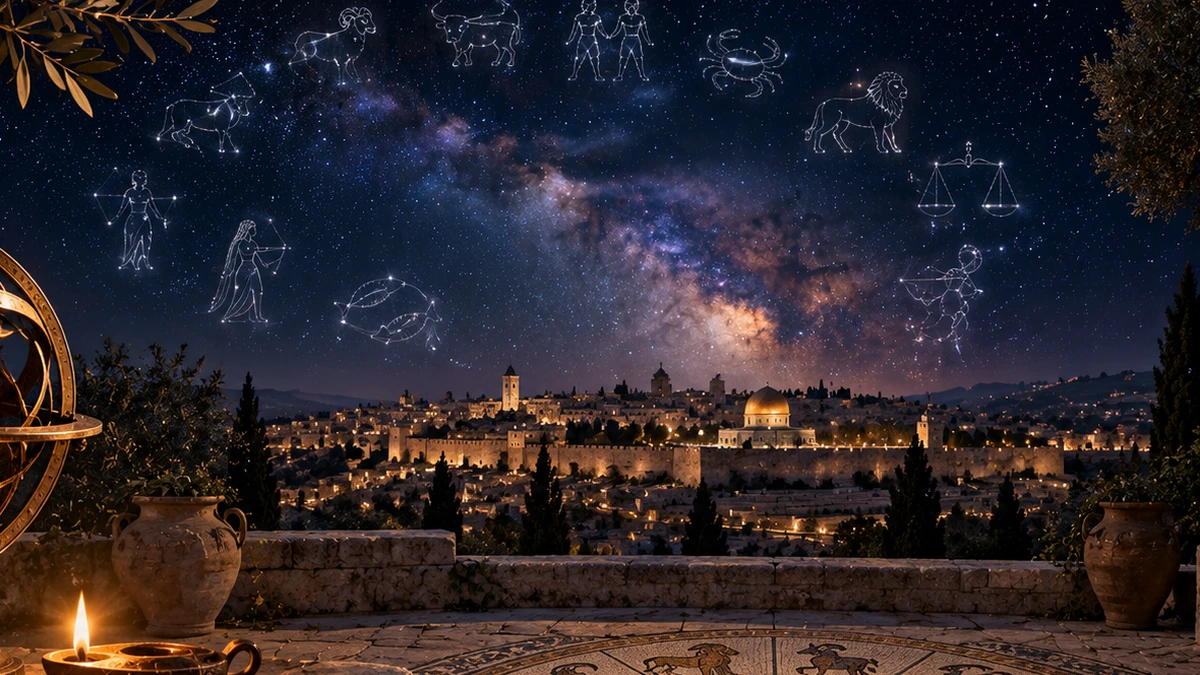
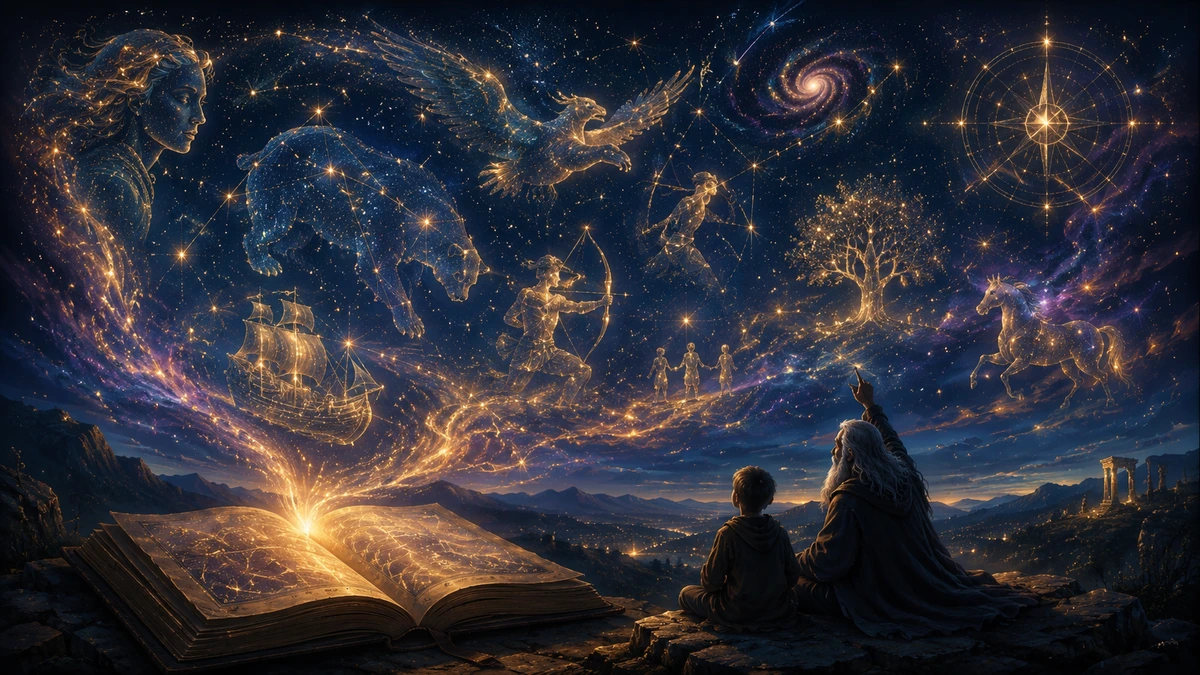
Stars do not draw heroes, animals, or deities by themselves. People connect points, name patterns, and assign meaning, allowing one sky to become calendar, compass, memory, and story.
Read article
Day, lunation, year and precession are measurable cycles. Calendar rounds and cosmological recurrences are ways societies organize, interpret and embed rhythms within larger models of the world.
Read article
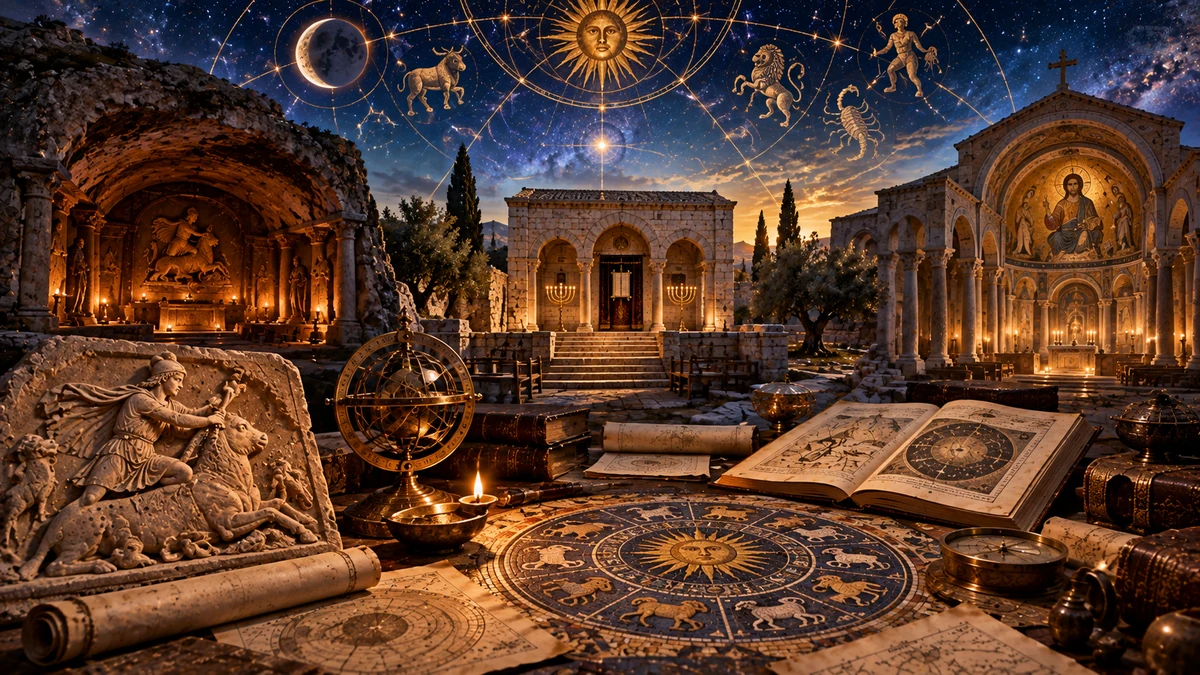
Zodiacs, planets and solar motifs appear in very different religious and cultural settings. Their presence is historical evidence; claims about their meaning require context and independent support.
Read article
Stars are physical objects; star lore is a cultural system connecting the sky with memory, seasons, direction, kinship and story.
Read article
The recurring sky was among humanity’s earliest references for time and direction. From Sopdet and Maya cycles to Polaris and Pacific wayfinding, people learned to turn celestial patterns into calendar and compass.
Read article
A constellation is not a three-dimensional group of stars. Explore sky projection, real stellar distances, proper motion, and the difference between constellations and asterisms.
Read articleNo article matches your search.