
Knowledge library

Articles for independent inquiry.

Shorter entry points into the questions explored across THY-REALITY. Browse by field or search directly by title and description.

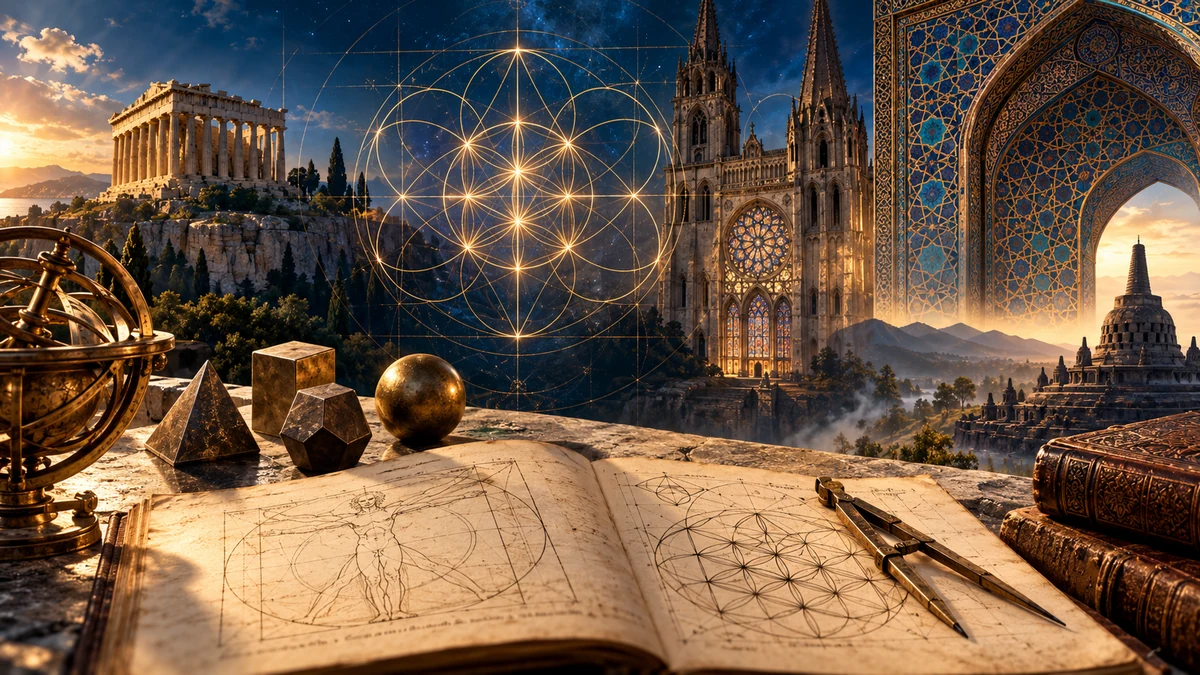
A dark architectural space with golden circles, a square, and a triangle interwoven with a Gothic arch and mandala-like geometry.

Sacred Geometry: between mathematics, architecture, and esotericism

Circles, squares, triangles, regular solids, geometric grids, and mandalas appear in mathematics, architecture, religious art, and modern esotericism. Yet the same shape does not imply the same doctrine. This article follows documented connections from Plato’s cosmology and Vitruvian proportion through Gothic and Islamic geometry to Buddhist mandalas, then examines how modern “sacred geometry” assembled different traditions into a new common language.

Read article

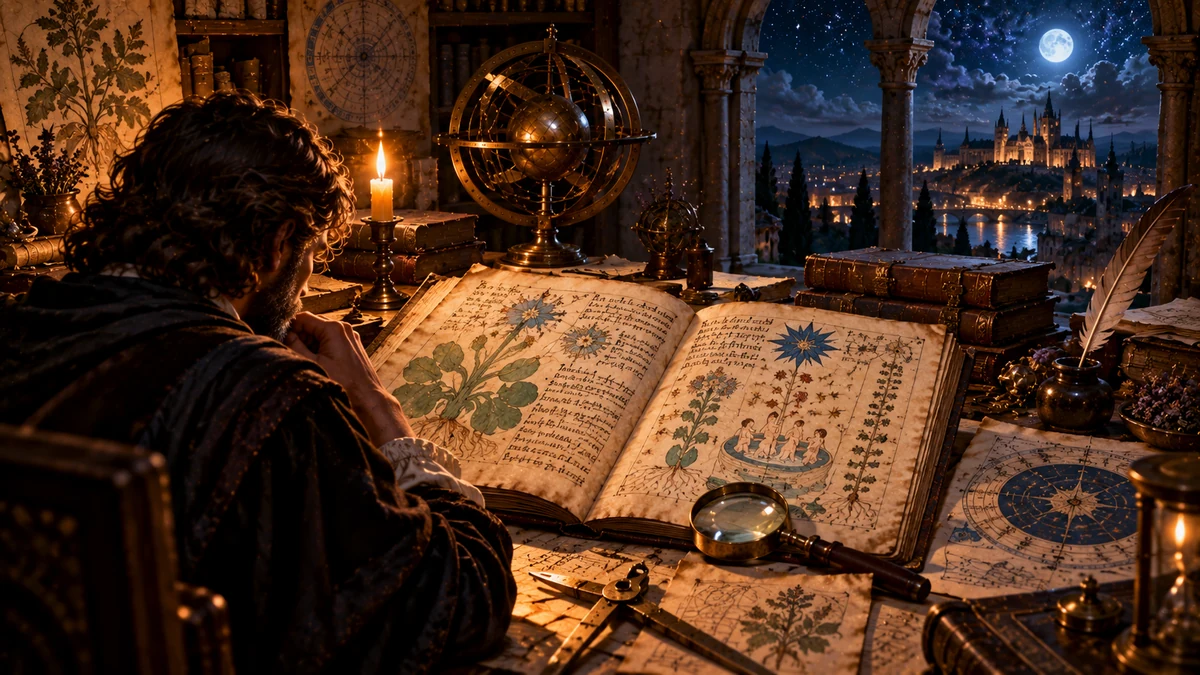
A medieval scholar studies an open mysterious manuscript with botanical and celestial diagrams among candles, astronomical instruments, and moonlit night.

The Voynich Manuscript: the book we still cannot read

Early-fifteenth-century parchment, an unknown script, strange plants, celestial diagrams, and multiple scribal hands: what we actually know about the Voynich Manuscript and why no explanation has yet become a generally accepted solution.

Read article

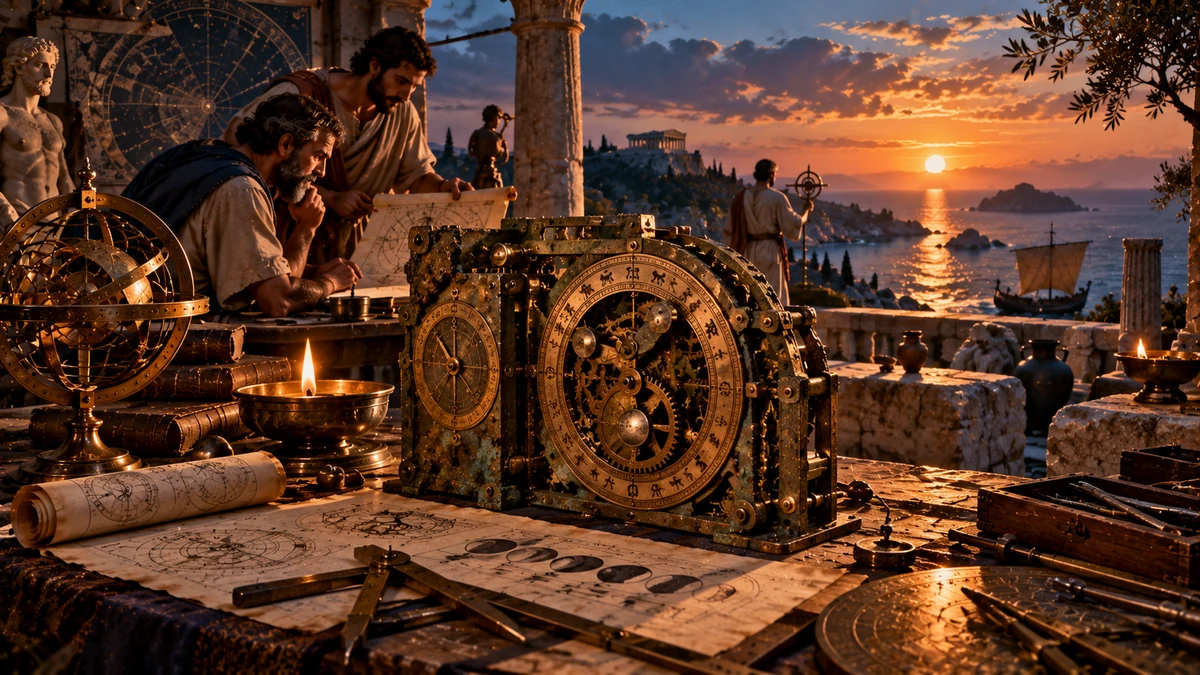
Hellenistic scholars beside a bronze astronomical mechanism with gears, zodiac, papyrus diagrams, and the sea in the background.

The Antikythera Mechanism: an ancient computer of the heavens

The Antikythera Mechanism is a Hellenistic bronze-geared device that linked calendars, the motions of the Sun and Moon, lunar phases, eclipses, and probably the planets. Its fragments reveal a remarkable level of ancient mechanics while leaving important questions open.

Read article
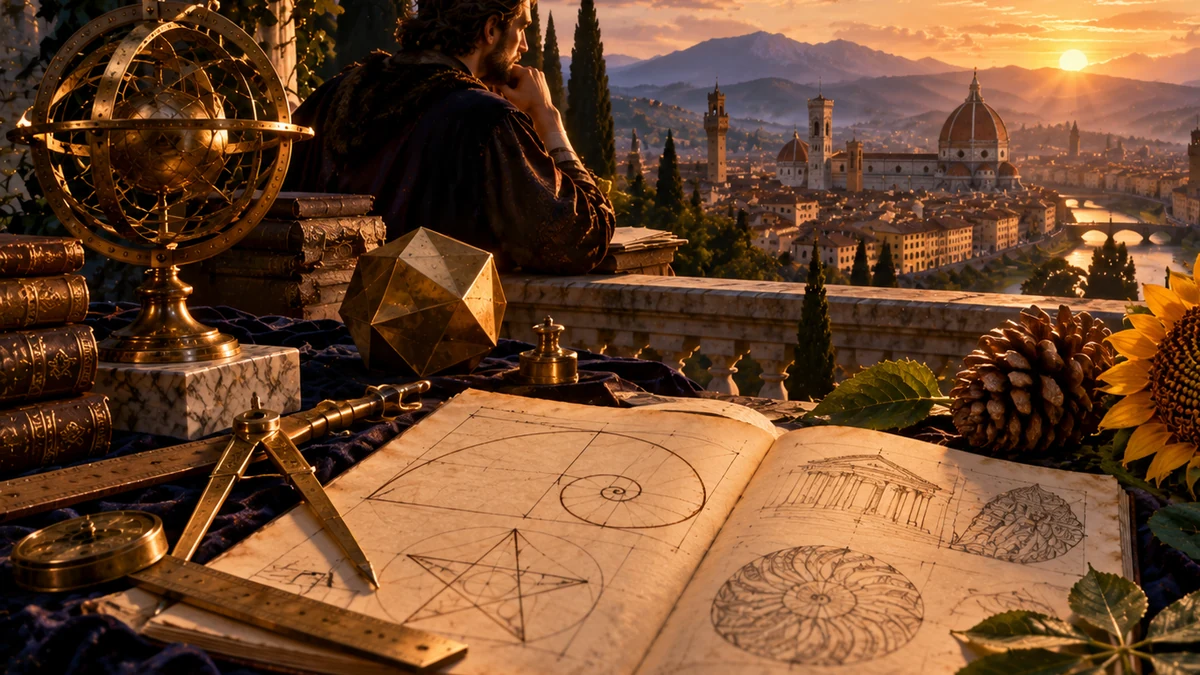
A Renaissance scholar above Florence with geometric sketches, a polyhedron, sunflower, pine cone, and spiral forms.

The Golden Ratio: mathematics, art, nature, and the idea of perfect proportion

The golden ratio φ is a precisely defined irrational proportion with genuine connections to the pentagon, the Fibonacci sequence, and phyllotaxis. Its cultural history is broader: from Pacioli’s divine proportion and Le Corbusier’s Modulor to disputed attributions involving the Parthenon, artworks, and human beauty.

Read article
Bodhidharma on a stone terrace above a mountain monastery with manuscripts, a Buddhist shrine, and a symbolic training implement.

Who was Bodhidharma: between the historical monk and the legend of Zen

Bodhidharma is traditionally the first patriarch of Chinese Chan and one of Zen’s most recognizable figures, yet the early sources are sparse and divergent. This article separates the historical core, the teaching of two entrances and four practices, and later stories about nine years facing a wall, Shaolin, and martial arts.

Read article
An interpretive cinematic illustration of a Vedic reciter beside fire and manuscript, moving visually from a dark temple interior toward morning light.

Asato Mā Sadgamaya

Three famous lines from the Bṛhadāraṇyaka Upaniṣad are now a universal prayer for truth, light, and immortality. What do they actually mean in their original Pavamāna ritual context?

Read article
Close-up hands during Hindu pūjā tying a red-and-yellow kalava around a wrist, with a diya, incense and ritual objects in the foreground.

Kalava: The Red Sacred Thread in Hindu Ritual Tradition

Kalava or mauli is a simple ritual thread with a long history of protection, blessing and binding. The sources reveal older Vedic antecedents, regional variation, the King Bali mantra, and an important distinction between kalava and rakhi.

Read article

A symbolic visualization of the four-yuga cycle: a luminous age gradually passes into darker Kali Yuga, while a new dawn appears on the horizon.

Kali Yuga: What Do Hindu Sources Actually Teach?

Kali Yuga is not named after the goddess Kālī. This article traces the four yugas from early metaphors and the Mahābhārata to the Purāṇic 432,000-year chronology, the 3102 BCE epoch, Kalki, and modern shorter reinterpretations.
Read article
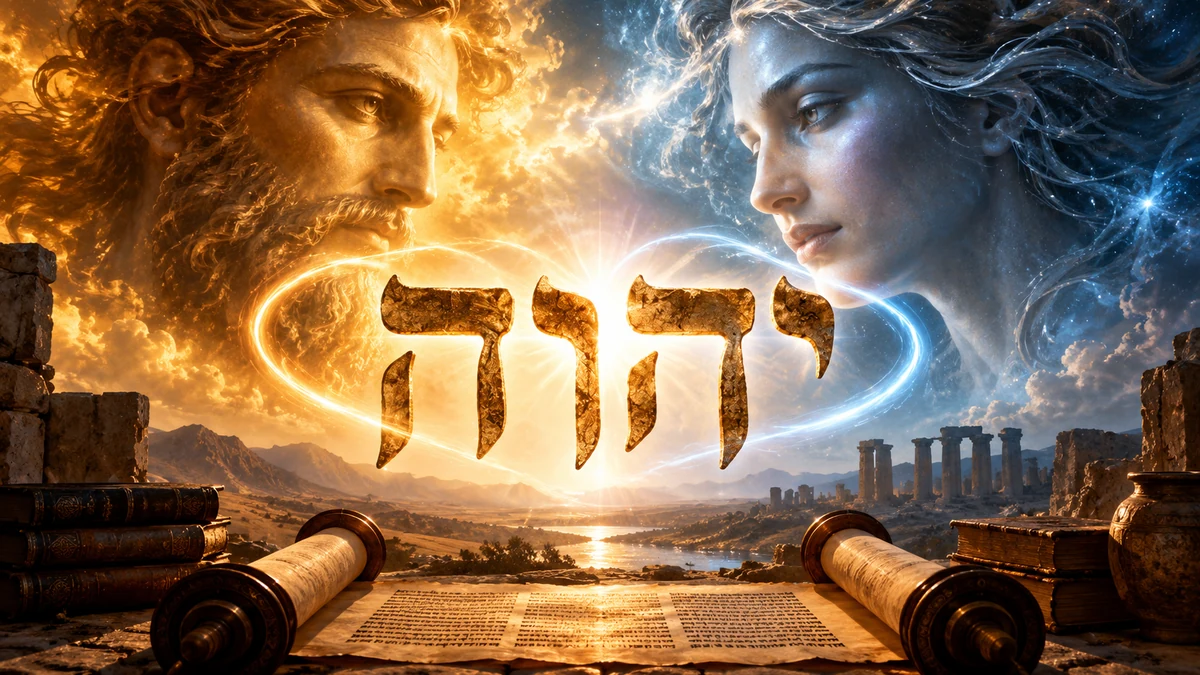
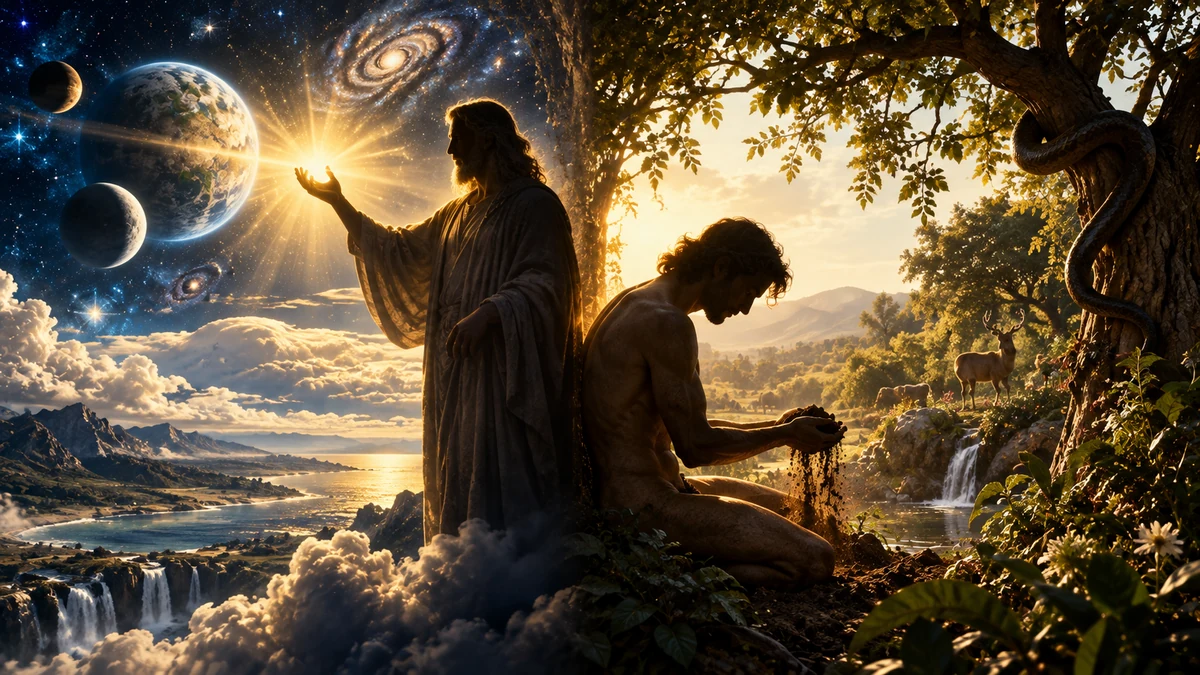
A symbolic scene of the earthly Adam and a cosmic human figure with the Tree of Life motif, representing the distinction between Adam ha-Rishon and the later kabbalistic Adam Kadmon.

Two Adams: Adam ha-Rishon and Adam Kadmon

Adam ha-Rishon and Adam Kadmon are often presented as though Jewish tradition taught two primordial humans. The sources reveal a more complex development—from Genesis and the rabbinic cosmic Adam through Philo and Paul to the Zohar and Lurianic Kabbalah.

Read article

A symbolic scene of an open rock-cut tomb with four unlabelled manuscript books in the foreground; the visual represents the four Gospel narratives and is not a reconstruction of a specific historical tomb.

The Empty Tomb: Why Do the Gospels Differ?

All four Gospels know an empty-tomb tradition, yet they differ over the women, timing, messengers, reactions, Galilee, and Jerusalem. What belongs to the common core, and what reflects each evangelist’s literary shaping?

Read article

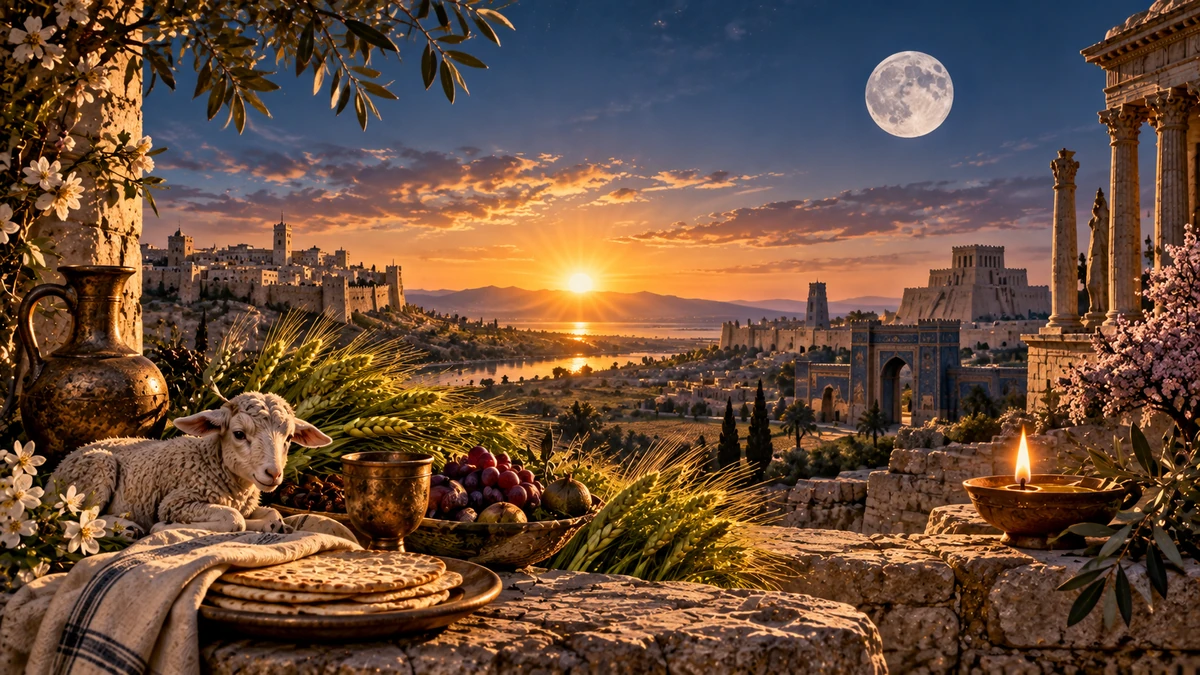
A spring landscape at sunrise beneath a full Moon, with barley, a lamb, unleavened bread and a lamp symbolizing the lunisolar calendar and spring festivals.

Easter, 14 Nisan, and the Spring Equinox

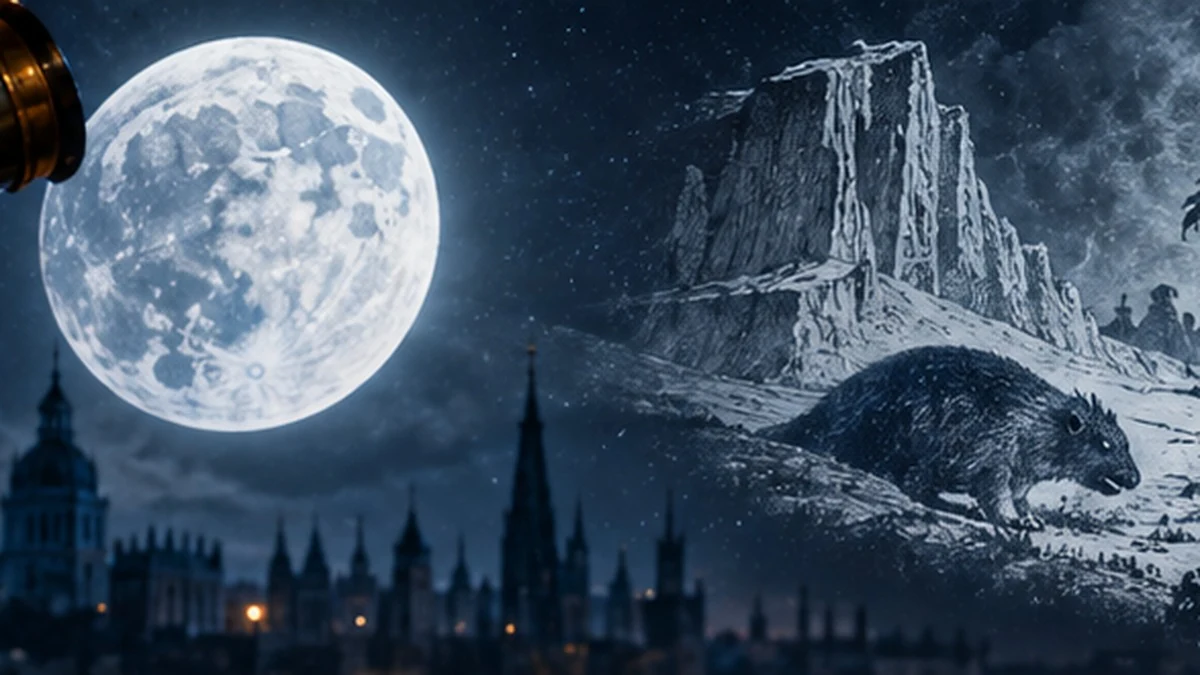
Why do Passover and Easter remain in the spring season, how does 14 Nisan relate to the full moon and equinox, and what do comparable spring festivals from Babylon and Iran to late Rome actually tell us?

Read article

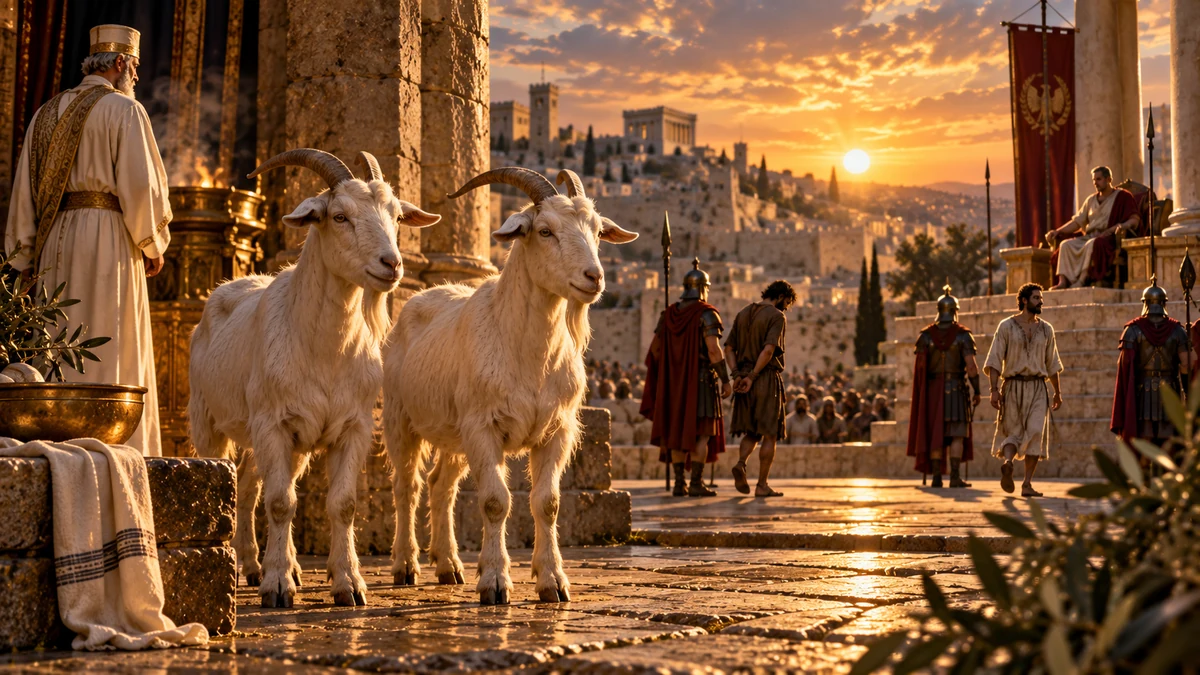
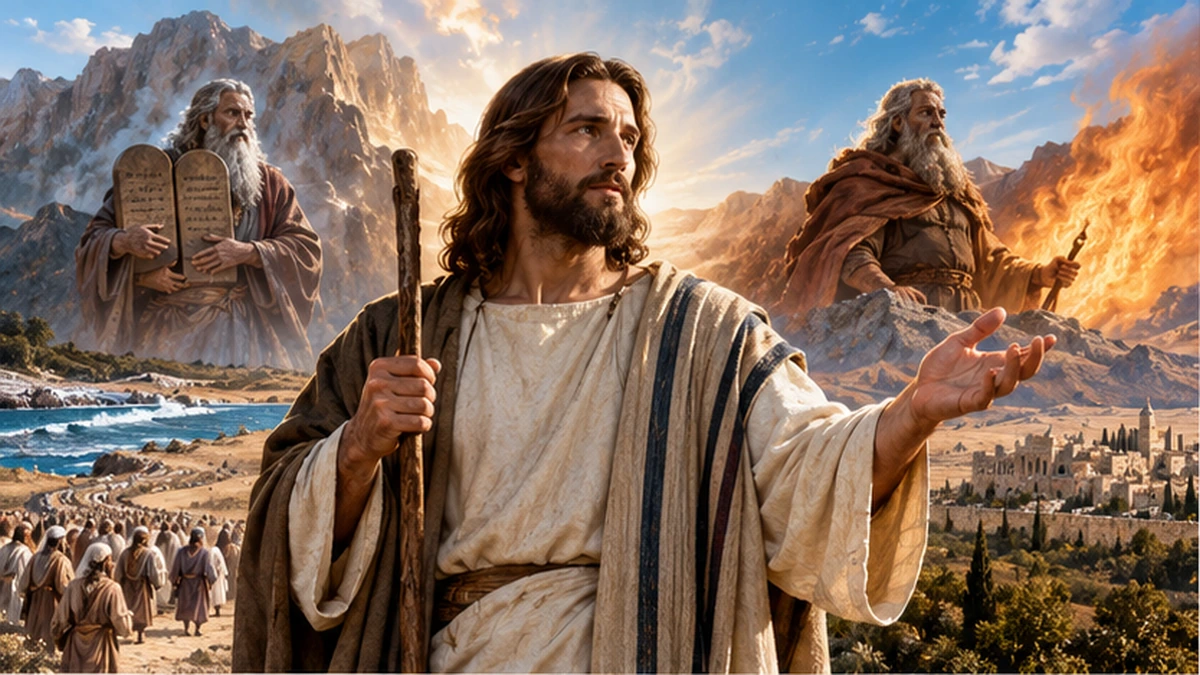
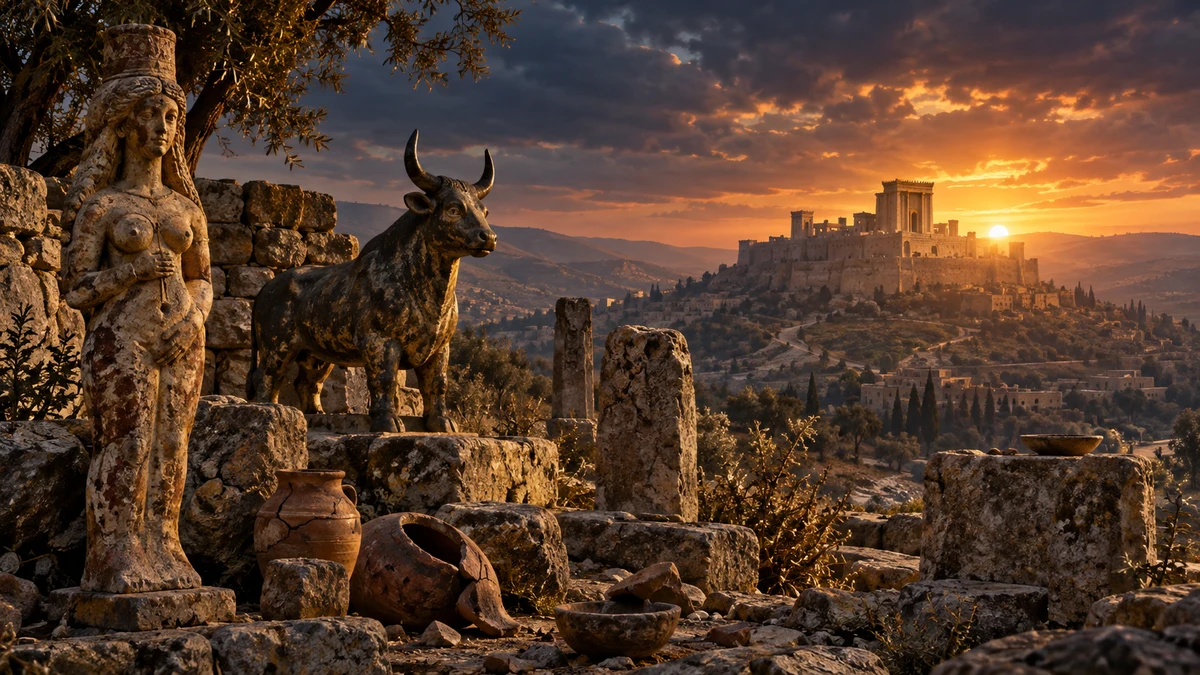
A central biblical figure stands between three connected scenes: parted exodus waters, a fiery mountain, and a landscape with a city, evoking Mosaic, Elijah, and Israel narrative patterns.

Jesus as a New Moses, a New Elijah, and a New Israel

The Gospels narrate Jesus through older scriptural patterns: Matthew draws especially densely on Moses, exodus, and Israel, while Luke develops Elijah and Elisha motifs. Typology, however, is neither historical proof nor proof of invention.


Read article

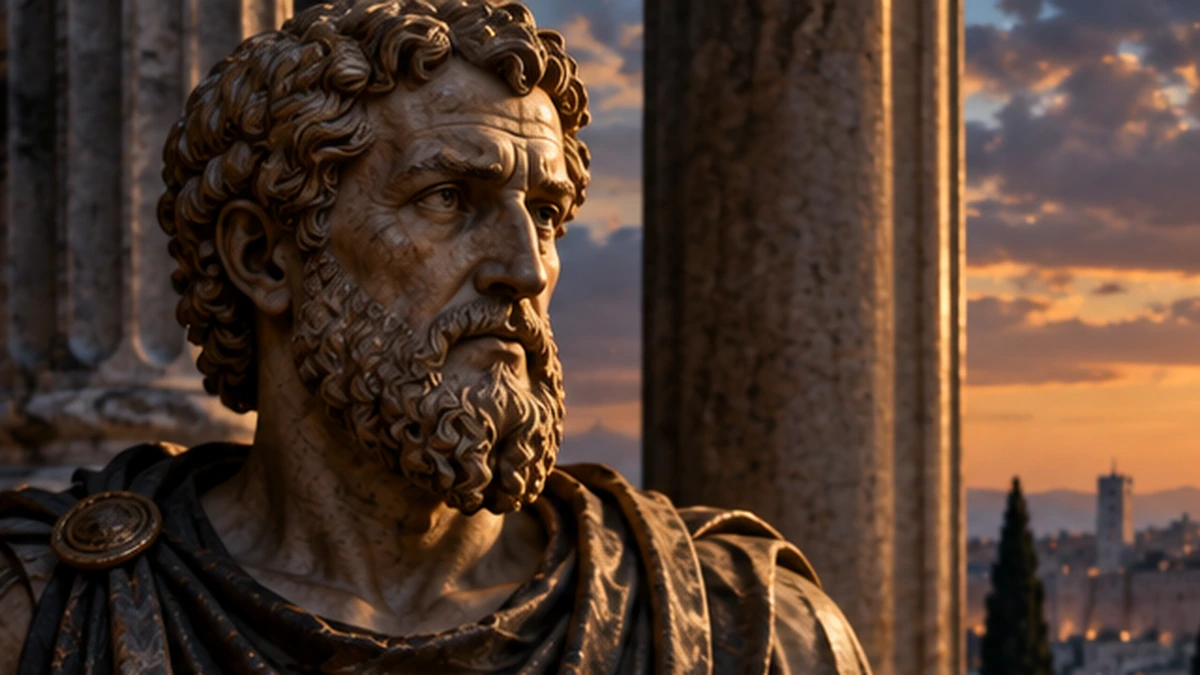
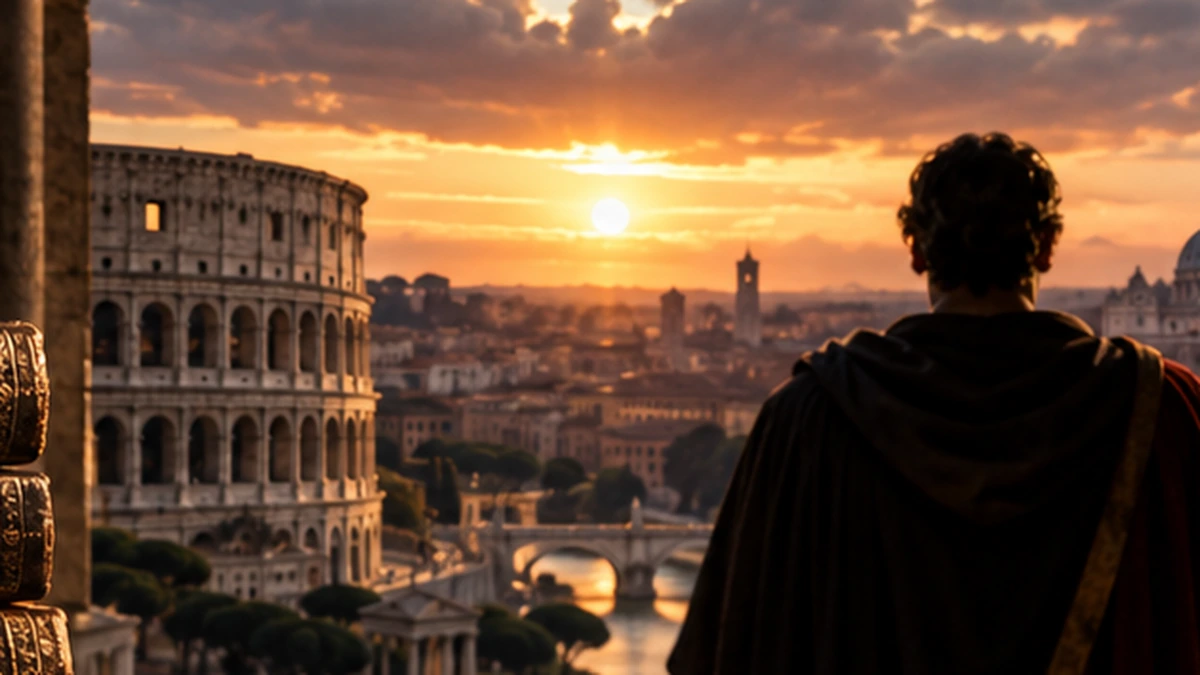
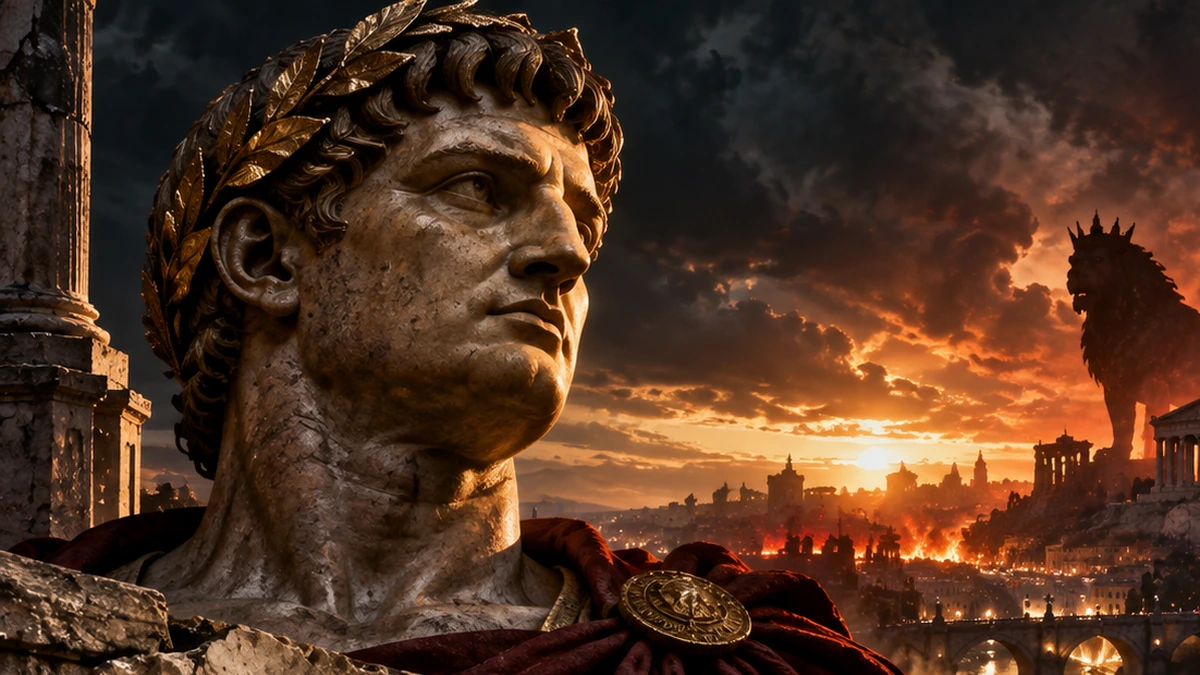
A monumental Roman imperial portrait before a burning imperial city, with an apocalyptic beast rising as a shadow over the horizon.

666 or 616: Nero and the Number of the Beast

Revelation asks the reader to calculate the beast’s number. Why do most manuscripts read 666 while some early witnesses read 616—and why does that difference strongly support, but not finally prove, a connection with Nero?

Read article

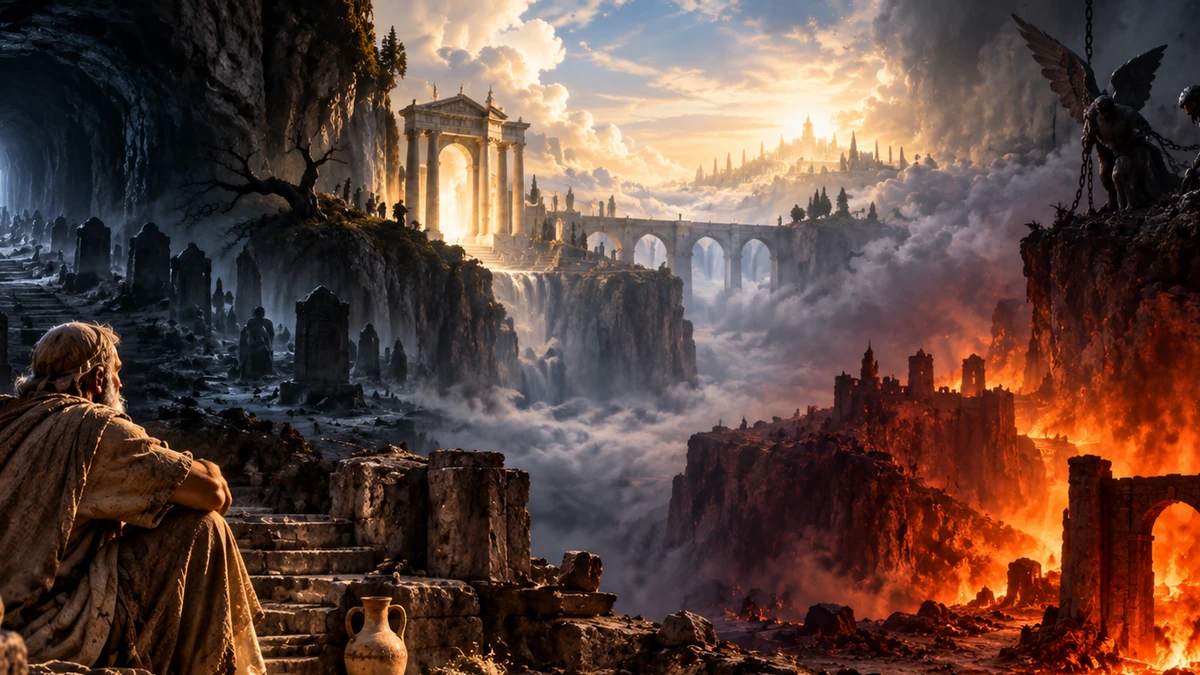
A symbolic divergence of several distinct ancient images of death, underworld, judgment, and imprisonment within one wide scene.

Hell in the Bible: Sheol, Hades, Gehenna, and Tartarus

When a translation renders several different terms with the single word “hell,” the Bible can appear to describe one uniform place. The source texts distinguish Sheol, Hades, Gehenna, and Tartarus—and Revelation's lake of fire is not even identical with Hades.

Read article

A symbolic depiction of heavenly Watchers and humans in an ancient mountain landscape, used as a visual metaphor for the Enochic tradition.

Nephilim, sons of God and 1 Enoch

Genesis 6 gives only four enigmatic verses. 1 Enoch expands them into a story of Watchers, giants, and forbidden knowledge. What belongs to the original text and what to later interpretation?

Read article

A late-1960s military transport aircraft flies through monsoon clouds above a jungle landscape while heavy rain falls beneath the storm system.

Operation Popeye: when weather became a weapon

Operation Popeye proves that military weather modification through cloud seeding was already an operational technology in the 1960s. The article then separates today’s publicly acknowledged use from the open question of possible non-public capabilities.

Read article

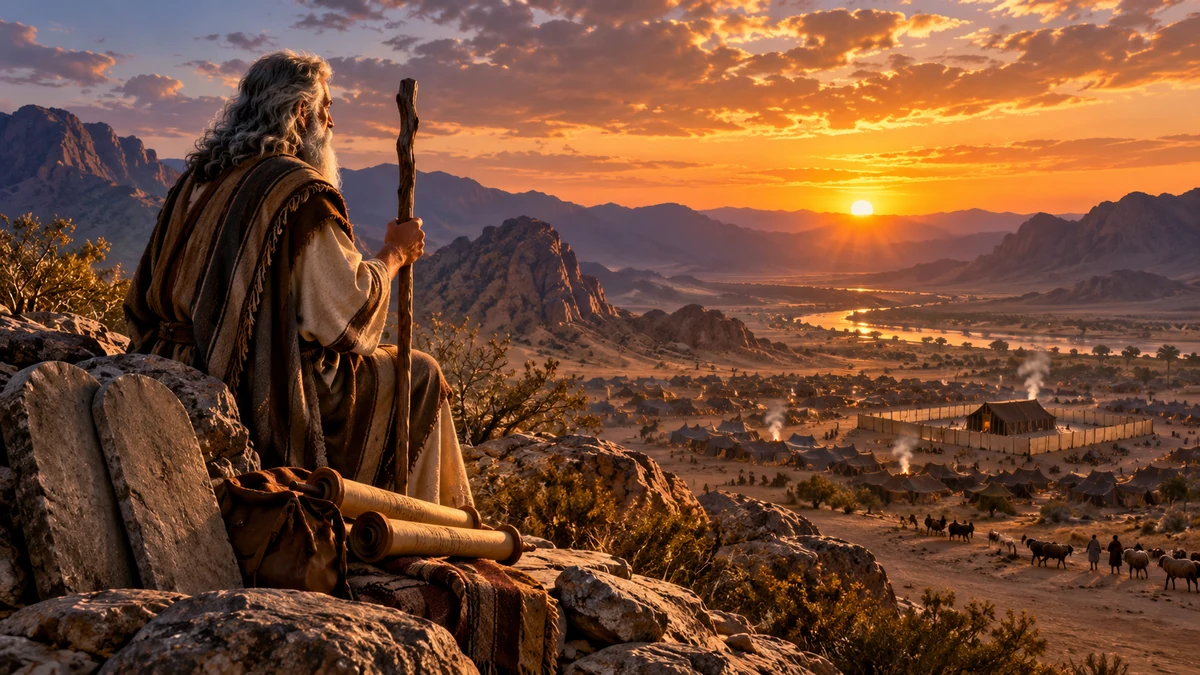
A symbolic depiction of a Moses-like figure on a mountain ridge at sunset, facing a vast desert landscape.

Did Moses Write the Pentateuch?

Jewish and Christian tradition linked the Torah with Moses for centuries. Yet the text usually speaks of Moses in the third person, describes his death, and shows signs of multiple layers. What can we actually conclude from this — and what can we not?

Read article

Cannabis as a multipurpose historical plant represented through fibre, seed, oil, medicinal preparations, and ritual smoke without modern recreational symbolism.

Cannabis Use Through History

Cannabis never had one historical role: it served as fibre, food, medicine, a psychoactive substance, and ritual material. This article separates these uses by period, place, and evidence type, then traces the transition toward modern regulation.

Read article

A magnifying glass over archival maps, documents and research notes, symbolising provenance checks, evidentiary triangulation and careful reconstruction of a hidden event.

How We Prove Hidden Operations: From Suspicion to Document

How do we distinguish suspicion from a documented hidden operation? This article sets out a method based on claim decomposition, provenance, authenticity, chronology, triangulation, FOIA, declassification, archival gaps, and calibrated confidence.

Read article

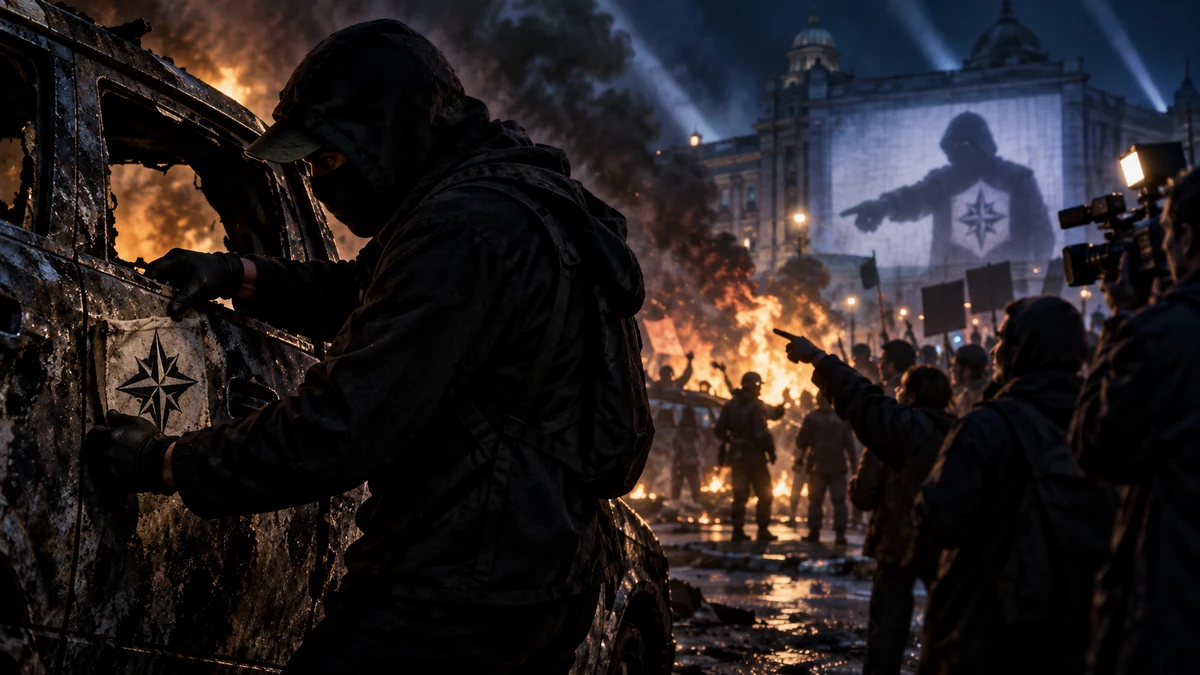
A shadowed figure watches a government centre beneath a network of global connections and routes, a conceptual depiction of covert action, intermediaries and limited public visibility.

Covert Operations: How Power Acts Outside Public View

This article explains the mechanism of covert state action: the difference between secret and covert, authorization, compartmentalization, cover, intermediaries, funding, information influence, oversight, declassification, and evidentiary limits.
Read article

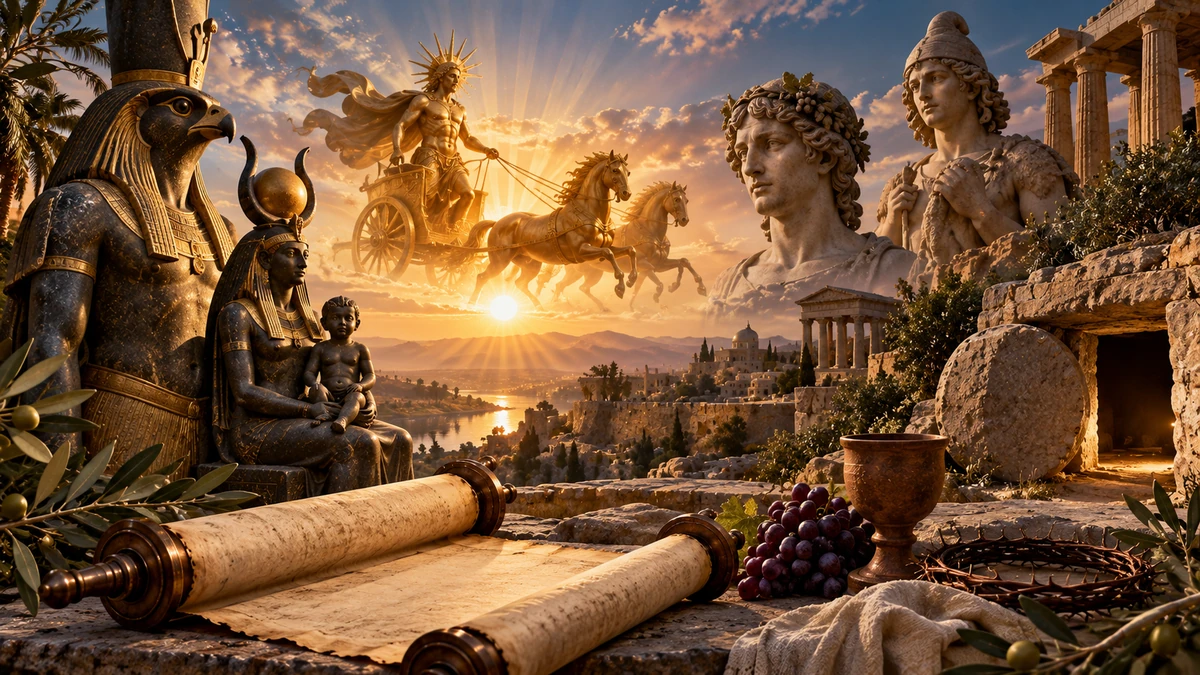
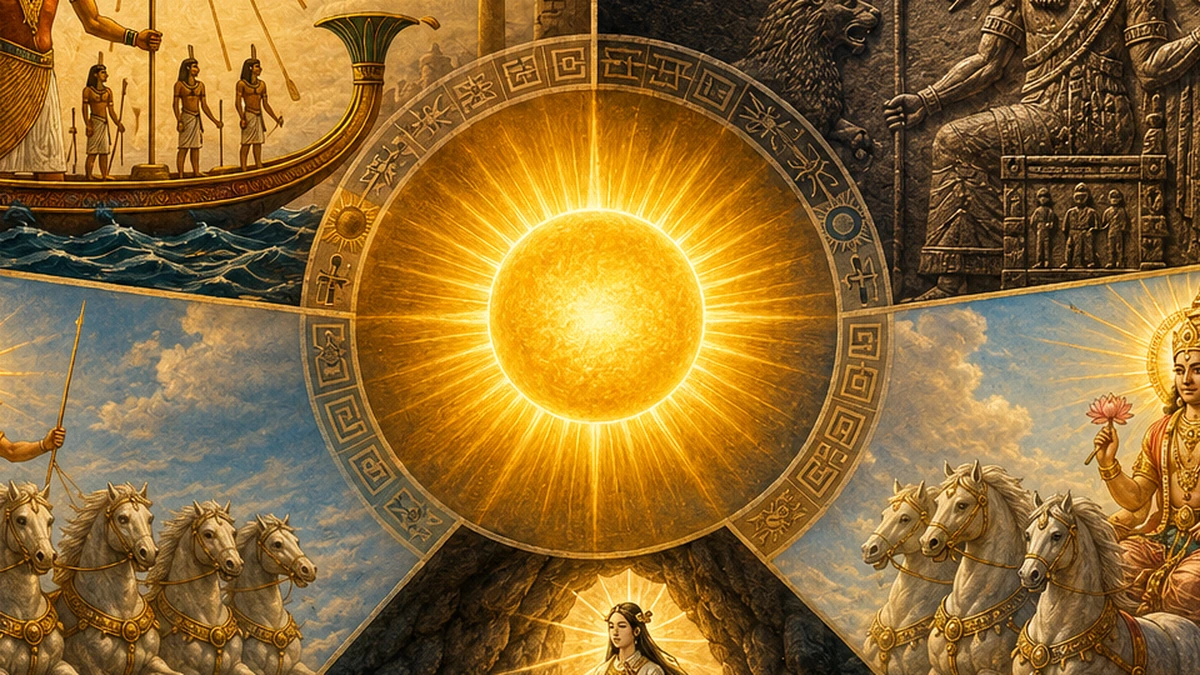
The same Sun above different cultural images, symbolizing a shared celestial phenomenon and different historical interpretations.

Solar Myths and Universal Archetypes

Ra, Shamash, Helios, Surya, and Amaterasu are linked to the same Sun yet belong to very different traditions. What do their similarities actually demonstrate?

Read article

Books, manuscripts and symbols of knowledge move through a luminous vortex connecting different historical periods.

Transmission and Loss of Knowledge

Knowledge does not survive simply because it was once discovered. It needs records, people, languages, copies, institutions and conditions in which it can be understood and transmitted.

Read article
An ancient narrative figure and a star map intertwine within a blue-and-gold cultural landscape.

Myths as Cultural Maps

A myth is not reliable history merely because it is old, and it is not worthless merely because it is not a literal report. It can function as a map of values, relationships and a community’s way of understanding the world.

Read article
A historical star atlas transitions into a modern geometric sky grid, representing the standardization of constellations.

How We Got Today’s 88 Constellations

Today's 88 constellations are not a natural list but the result of historical development and IAU standardization, from Ptolemy and al-Sufi to southern atlases and Delporte’s boundaries.

Read article
Different visual fields meet beneath one celestial center, representing different cultural maps of the same sky.

The Same Sky, Different Worlds

The same stars do not necessarily create the same cultural sky. Matariki, Chinese asterisms, and the Emu in the Sky show how traditions organize a shared physical world.

Read article