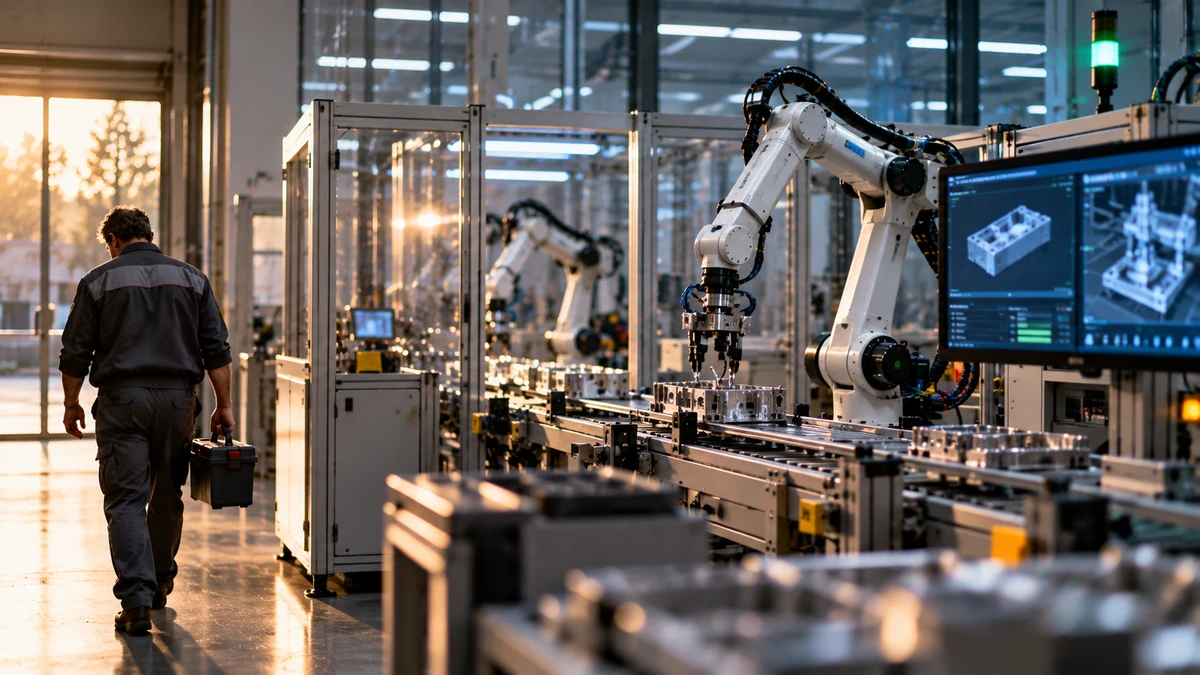
Thirteenth Step: Replace the Human
When technology no longer merely helps the human being, but begins taking over their work, their decisions, their relationships — and finally redefining the human being itself
Read articleShorter entry points into the questions explored across THY-REALITY. Browse by field or search directly by title and description.
When technology no longer merely helps the human being, but begins taking over their work, their decisions, their relationships — and finally redefining the human being itself
Read article
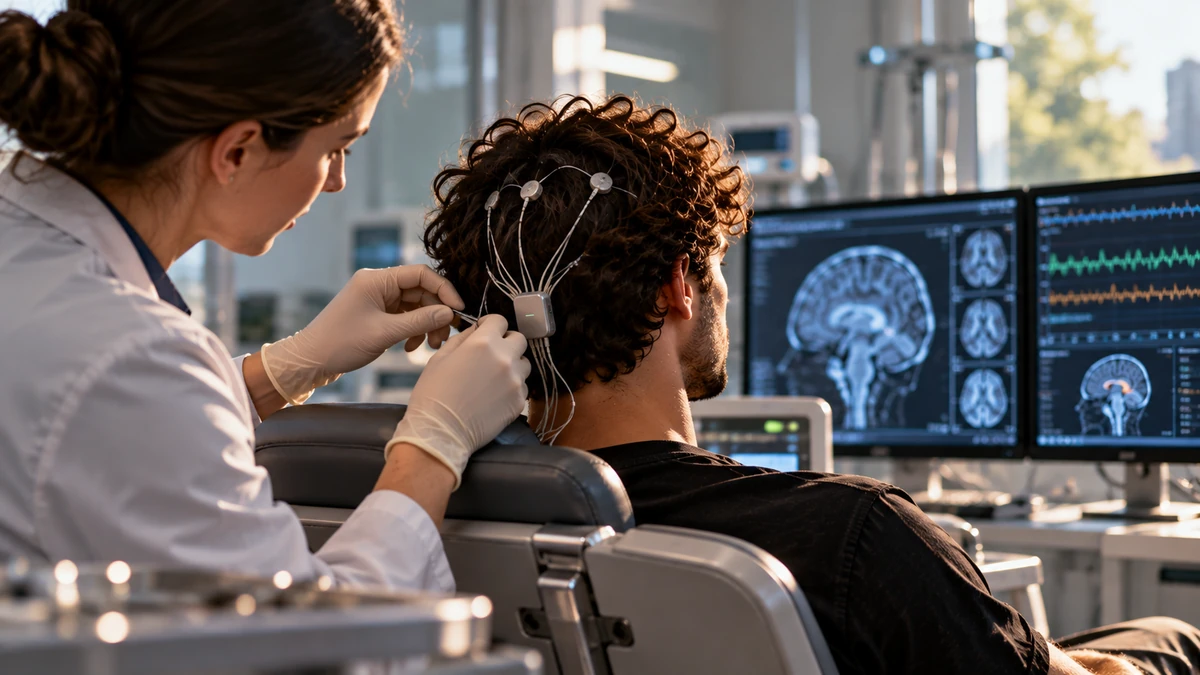
When the system no longer tracks only what you do, but begins to read — and perhaps one day also alter — the signals of your body
Read article
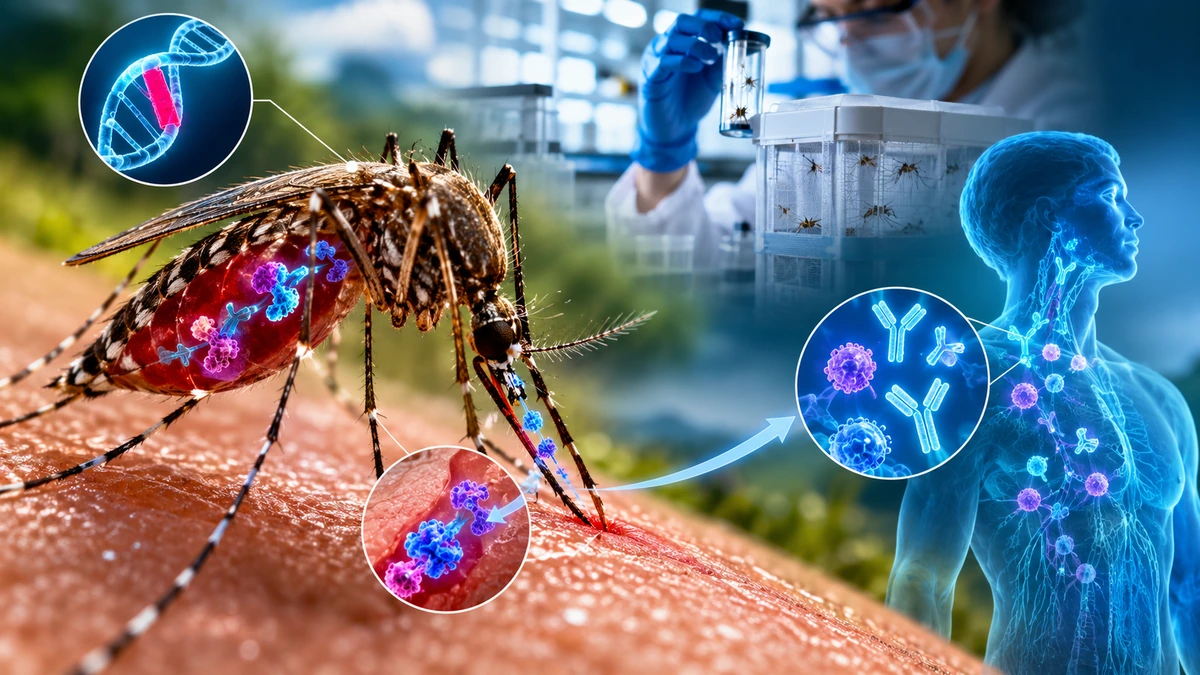
The “flying vaccinator” concept has already been demonstrated in the laboratory, and humans have been immunized by mosquito bites in controlled research.
Read article
Networks, cloud services, and automation make life easier while hiding dependencies. How can we build resilience without technological autarky?
Read article
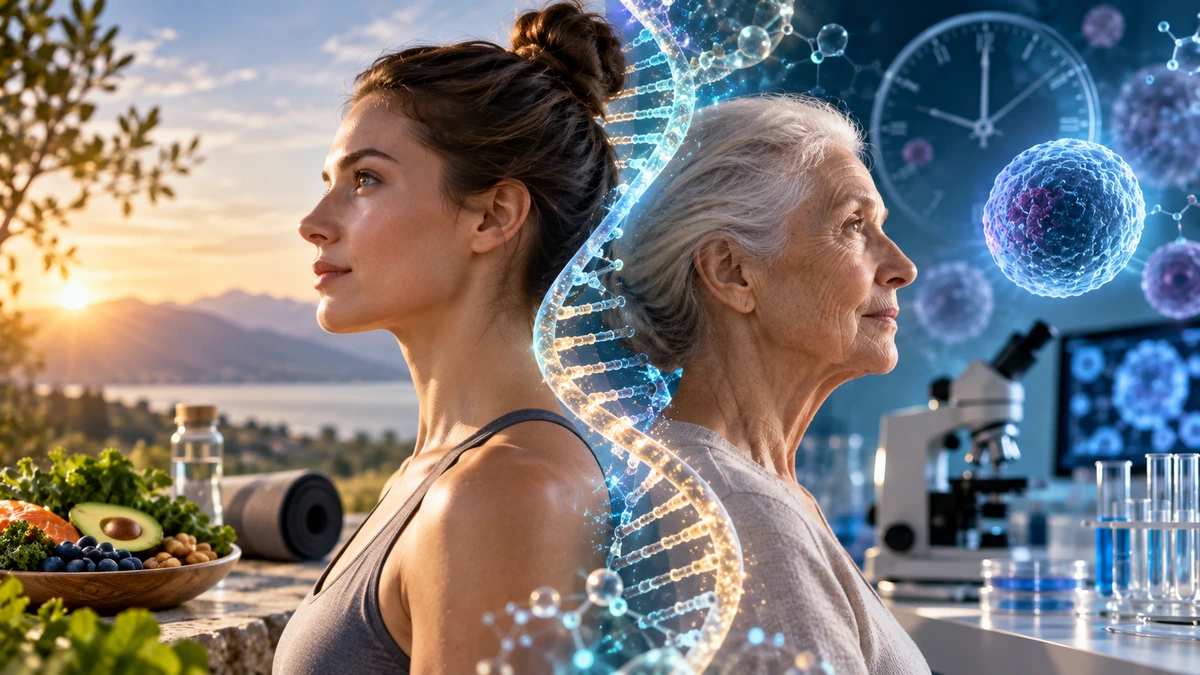
Aging biology has become a serious research field, but human evidence for life extension remains far weaker than the marketing. What do we actually know about geroscience, rapamycin, senolytics and biological clocks?
Read article
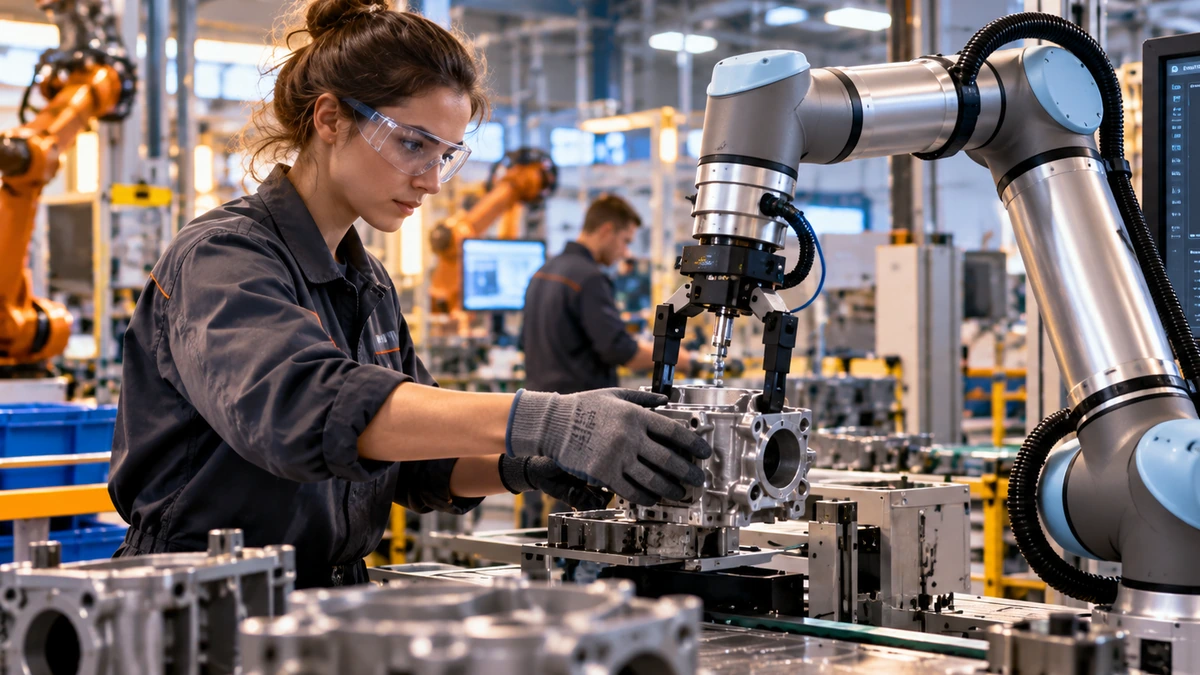
Automation changes more than job counts: it reallocates tasks, decision power and benefits. What does evidence actually show about robots, productivity, skills and power at work?
Read article
Cybernetics linked feedback, regulation and communication across machines, organisms and organizations. What does it reveal about automation — and where do questions about humans and system goals begin?
Read article
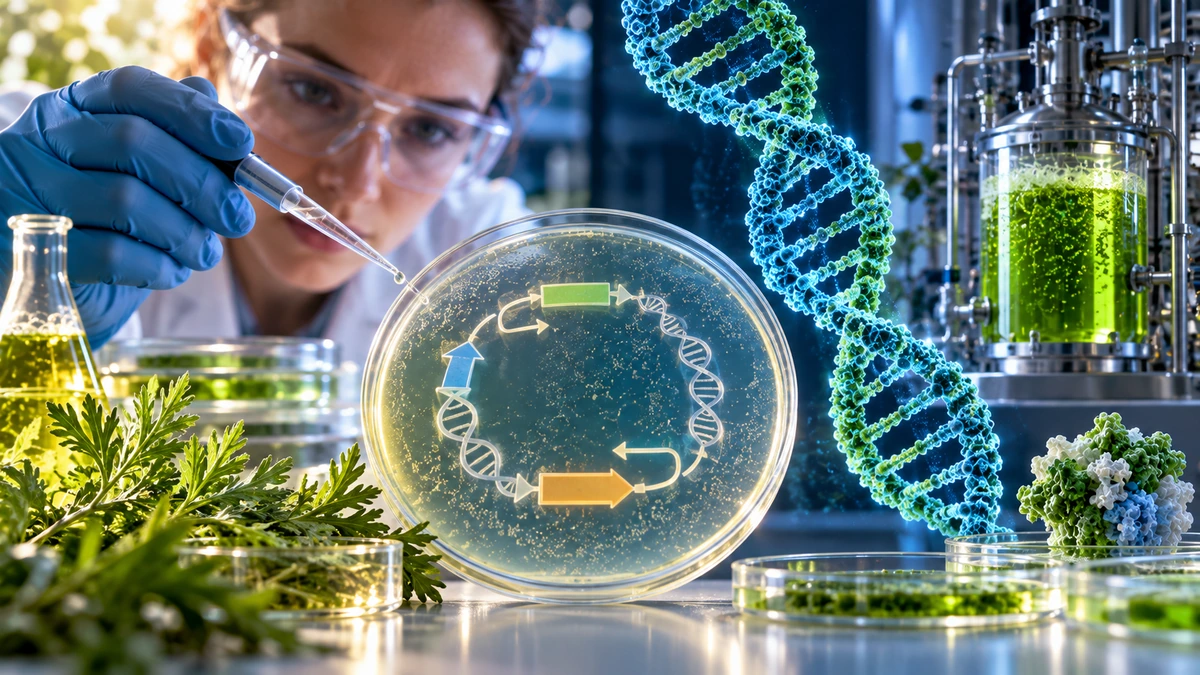
Synthetic biology does more than alter individual genes: it builds circuits, metabolic pathways and even genomes. What does it mean to “program” living systems — and why is life never merely a machine?
Read article
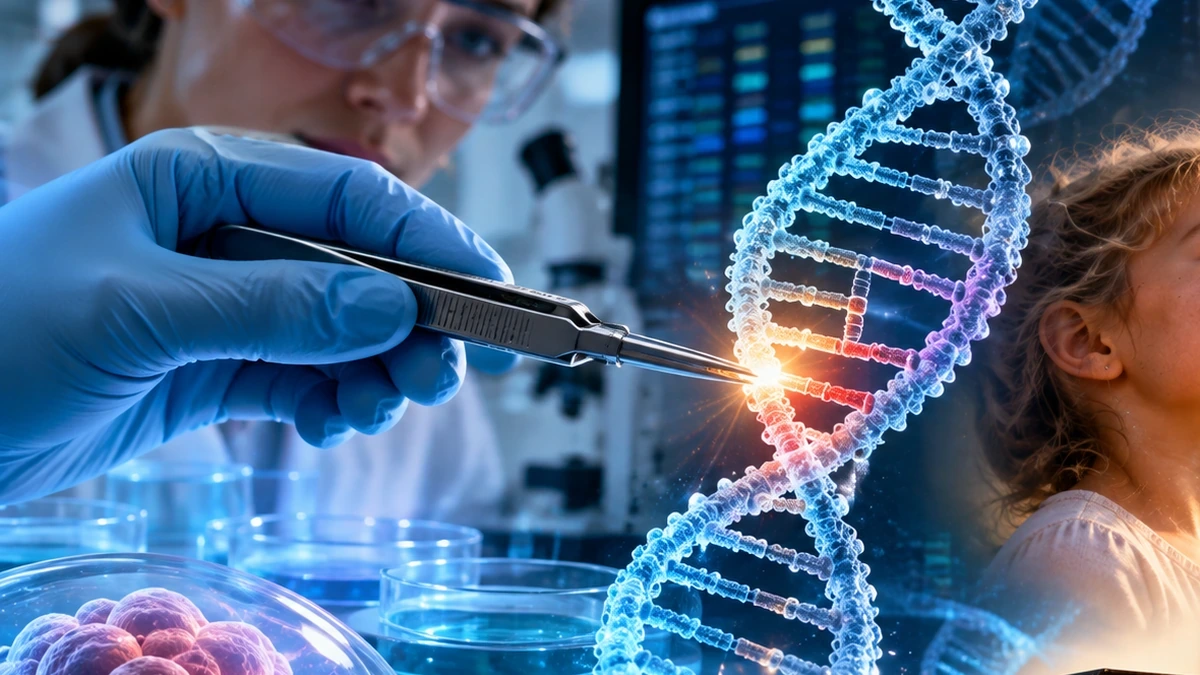
CRISPR can treat disease, alter an individual's cells, or intervene in a heritable line. These are not the same thing. Where does treatment end and an intervention with societal consequences begin?
Read article
When therapy heals, technology serves the person. When a healthy person becomes the target of genetic, neural or bodily optimization, questions of coercion, privilege, inherited advantage and the right to remain unenhanced emerge.
Read article
When a device is no longer merely in the hand but on the body, inside it, or between a person and access to the world, the question changes: who controls the function, data, updates — and can the person still exit?
Read article
A BCI can restore speech or computer control to a person with paralysis. But what changes when an implant is no longer treatment but enhancement — and when neural data, software, and a vendor become part of the path between intention and action?
Read article
From gene therapy and prostheses that treat disease or restore lost function to BCIs, heritable modification and the posthuman ideal: where does medicine stop serving the person and begin adapting the person to a technological system?
Read articleNo article matches your search.