 Part 1 / 17
Thematic series
Path to the Abyss
Seventeen connected articles follow a warning arc from fear, division and isolation through dependency, loss of privacy and digital control to the question of how practical autonomy can be preserved.
Part 1 / 17
Series sequence
17 articles in reading order
Series chapter
1
Map of the path
The parent article presents the full dramatic arc and serves as the gateway into the series.
Part 1 / 17
Series chapter
5
I. From fear to dependency
The first five steps follow the movement from crisis-driven fear through social division and isolation to loss of trust and practical dependency.
 Part 2 / 17
First Step: Frighten the Person
When fear becomes permission for what would not be accepted in peaceful times
Read article Part 3 / 17
 Part 4 / 17
 Part 5 / 17
Fourth Step: Break Their Trust
When a person no longer believes anyone, someone can begin deciding what is true for them
Read article Part 6 / 17
Fifth Step: Make Them Dependent
A person who cannot survive without the system finds it harder to say no to it
Read article
Series chapter
4
II. From privacy to measurement
Privacy, identity, money and behavioural data become infrastructure through which an individual can be described and steered with increasing precision.
 Part 7 / 17
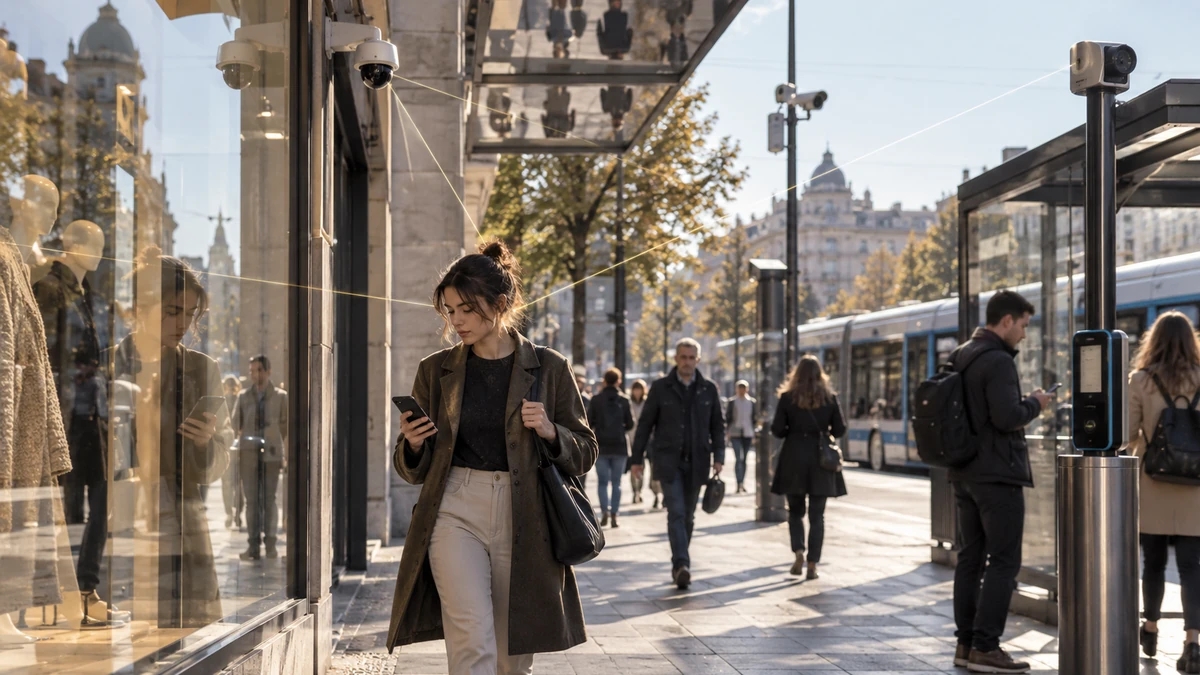
Sixth Step: Take Away Their Privacy
When the system knows enough about a person, it no longer has to command them — it can begin to predict them
Read article Part 8 / 17
Seventh Step: Turn Identity into Permission
When the question “who are you?” becomes the question “what are you allowed to do?”
Read article Part 9 / 17
Eighth Step: Turn Money into a Control Point
When the ability to pay is no longer only a question of money, but also of permission from the infrastructure
Read article Part 10 / 17
Ninth Step: Measure Their Behaviour
What you can measure, you can compare. What you can compare, you can score. What you can score, you can begin to steer.
Read article
Series chapter
5
III. From access to normalisation
Ownership gives way to access, control becomes convenient, technology enters the body, and automation raises the question of changing the human being itself.
 Part 11 / 17
Tenth Step: Replace Ownership with Access
As long as something is yours, you have rights over it. When you have only access, someone else has the switch.
Read article Part 12 / 17
Eleventh Step: Make Control Comfortable
The best control is not the control a person tolerates. The best control is the control they begin demanding themselves.
Read article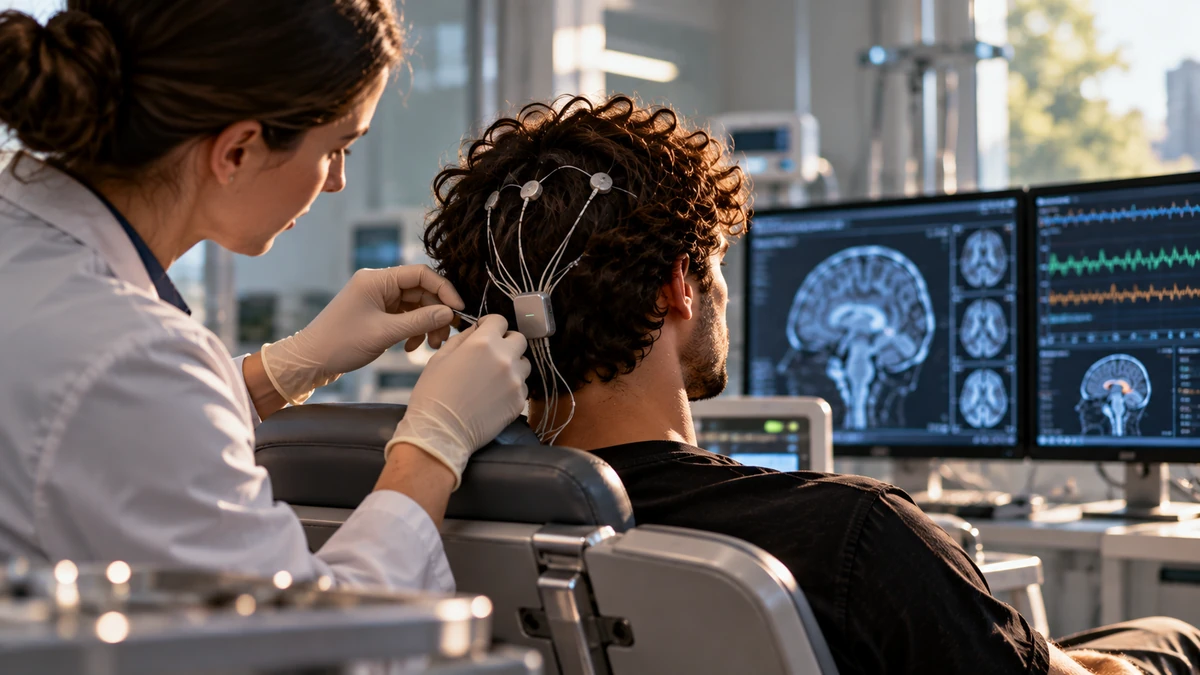 Part 13 / 17
Twelfth Step: Enter the Body
When the system no longer tracks only what you do, but begins to read — and perhaps one day also alter — the signals of your body
Read article Part 14 / 17
Thirteenth Step: Replace the Human
When technology no longer merely helps the human being, but begins taking over their work, their decisions, their relationships — and finally redefining the human being itself
Read article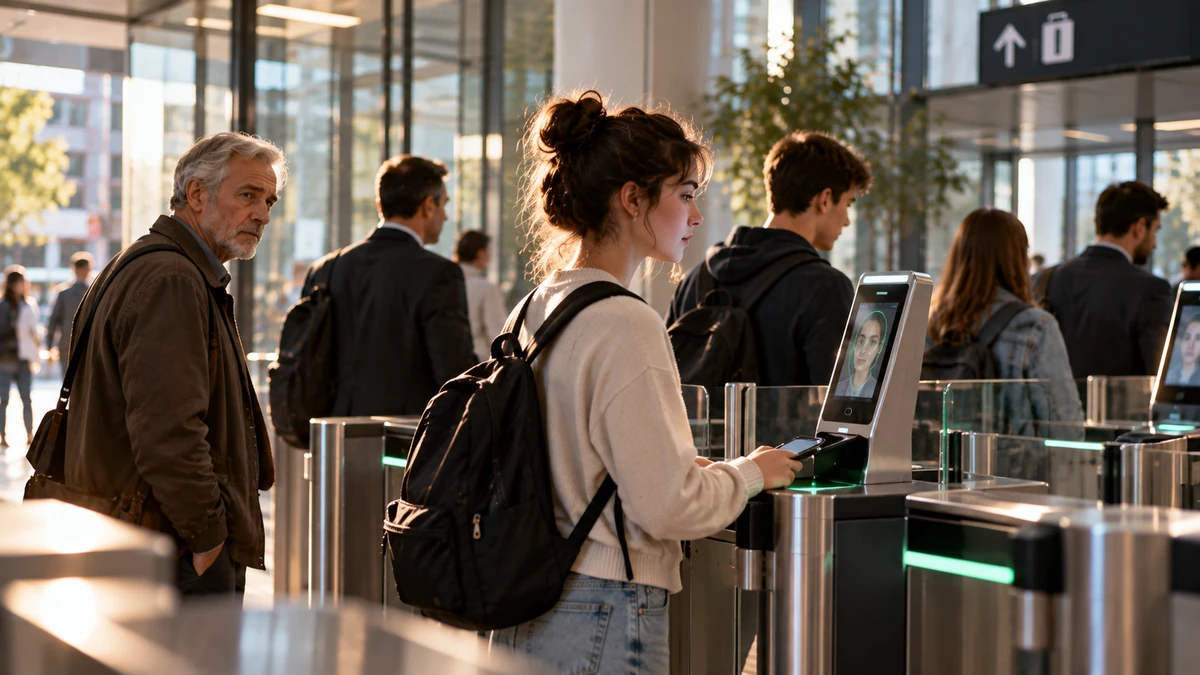 Part 15 / 17
Fourteenth Step: Normalise Unfreedom
The most dangerous restriction is not the one people rebel against. It is the one a new generation no longer even recognises as a restriction.
Read article
Series chapter
2
IV. Terminal station and exit
The final two articles first assemble the steps into a single outcome, then turn toward responsibility, resilience and preserving alternatives.
 Part 16 / 17
Terminal Station: The Human Without Chains
The most perfect prison is the one in which a person sees no bars — because the bars have become the infrastructure of everyday life.
Read article Part 17 / 17
Exit from the Abyss
The system has the greatest power over a person when that person no longer knows how to live without it.
Read article