
Seventh Step: Turn Identity into Permission
When the question “who are you?” becomes the question “what are you allowed to do?”
Read articleShorter entry points into the questions explored across THY-REALITY. Browse by field or search directly by title and description.

When the question “who are you?” becomes the question “what are you allowed to do?”
Read article
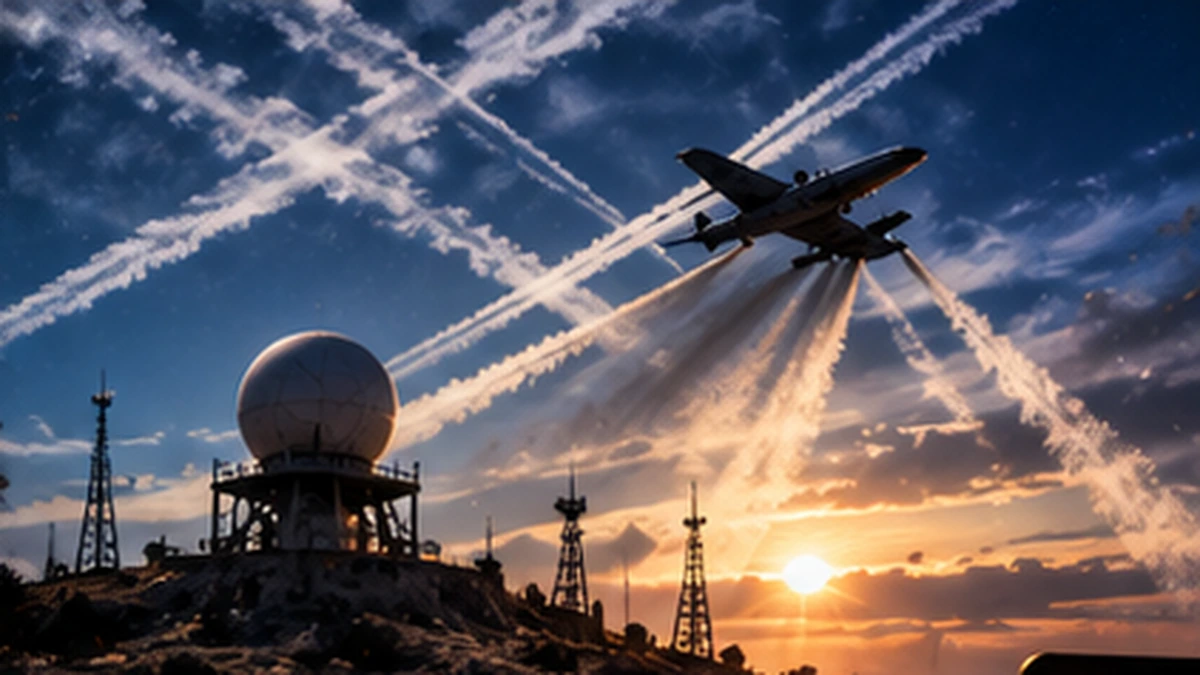
When fear becomes permission for what would not be accepted in peaceful times
Read article
A detailed presentation of *Secret and Suppressed II*: Newspeak, disinformation, the Illuminati, parascience, weather warfare, 9/11, electronic voting, surveillance, and post-2001 alternative research.
Read article
A presentation of *Secret and Suppressed*: mind control, Jonestown, Casolaro, Waco, disinformation, the Vatican, AIDS, and the hidden-history culture of the early 1990s.
Read article
The Israeli attack on USS Liberty on 8 June 1967 is documented; what remains disputed is whether the attackers knew the ship was American.
Read article
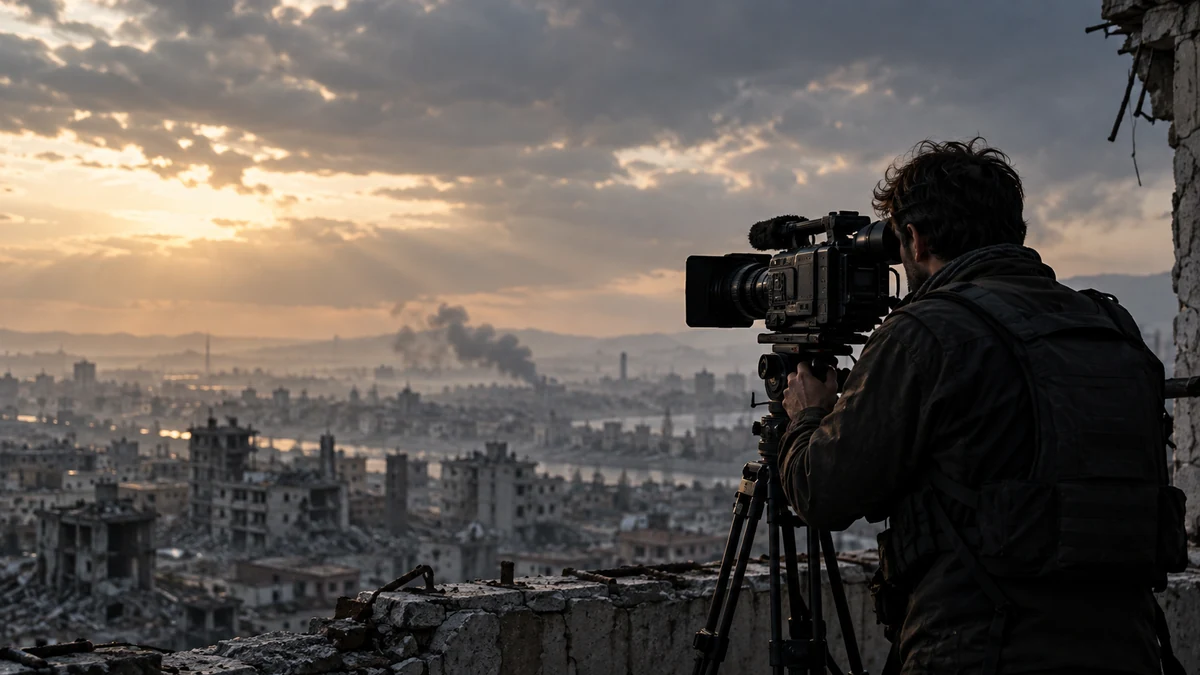
The Gulf of Tonkin shows how a real first attack, an uncertain intelligence picture, and political decision-making can combine into the basis for a major strategic shift.
Read article
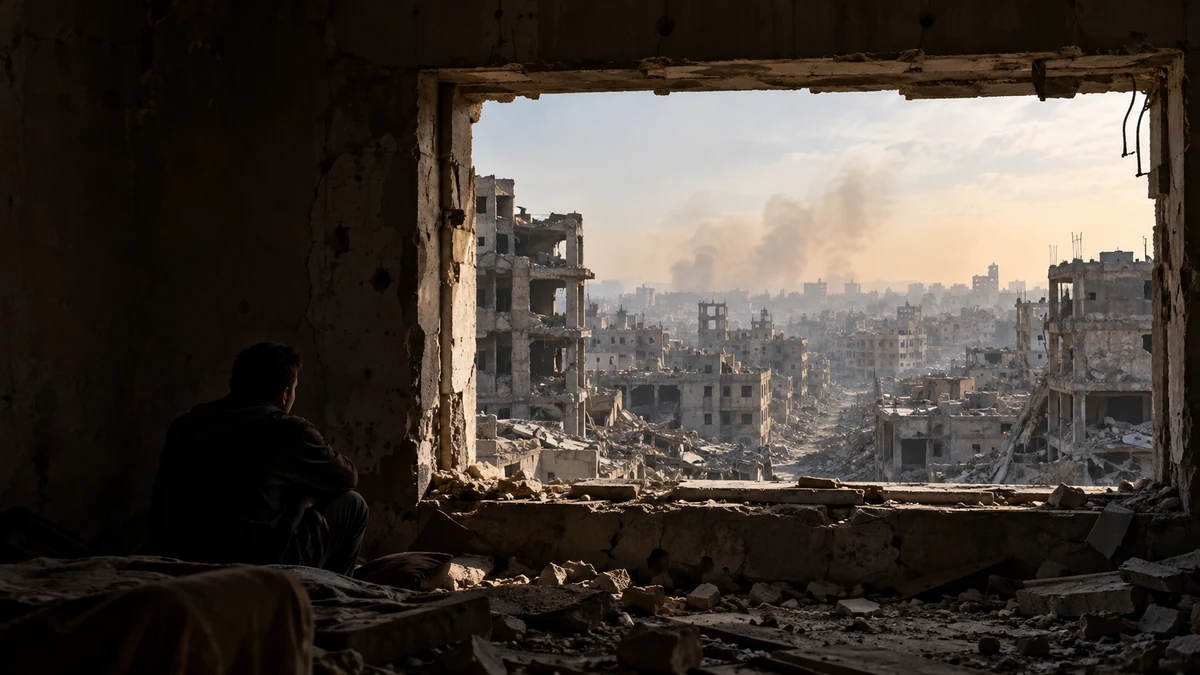
Operation Northwoods was a documented 1962 JCS proposal for staged or manufactured pretexts that would portray Cuban aggression as justification for U.S.
Read article

Operation Susannah was a documented 1954 false-flag operation. The central disputed question is who gave the final authorization.
Read article
How can we distinguish a documented false-flag operation from a proposal, disputed attribution, propaganda and later theory — and what happens when the first story has already produced political consequences?
Read article
How did Zbigniew Brzezinski in 1997 understand Eurasia, American primacy, geopolitical pivots and Ukraine’s special role — and how can the book be compared with later history without confusing similarity with causality?
Read article
How does Engdahl connect Joint Vision 2020, NATO, bases, color revolutions, missile defense and the post-9/11 order into one model of American power?
Read article
The article separates three 9/11 questions — the hijackings, foreknowledge, and collapse mechanisms — and consolidates the strongest technical, intelligence, and support-network evidence without turning anomalies into unproven conclusions.
Read article
From Buck v. Bell and sterilization abuses involving Native American women to India, Peru, Romania, Japan, the Czech Republic, and Canada: how demographic goals become rights violations when the state substitutes itself for free reproductive choice.
Read article
From the Balfour Declaration to the Gaza war: a chronology of key decisions, alliances, and conflicts in the Middle East.
Read article
Nearly one fifth of the vote without a major party machine, a renewed 1992 campaign and a killing whose final court judgement did not end public doubt.
Read article
From collective defence to a broader security infrastructure: a critical review of NATO enlargement, interventions, and U.S. weight in the alliance.
Read article
Physical force can be used to attack or to stop an attack. Force and Violence Are Not the Same Thing separates description from moral judgment and examines necessity, proportionality, purpose, and the boundary between defense and retaliation.
Read article
Self-defense, the state monopoly on legitimate force, and institutional accountability are distinct questions. The Right to Self-Defense and the State Monopoly on Force asks when force can be justified and why authority is never a moral blank cheque.
Read article
Benefiting from a common system may create a moral obligation not to live at the expense of others. But does that also create a general duty to obey authority?
Read article
It is not enough to ask whether an institution is necessary. The deeper question is what it must be like to deserve our support: just, limited, accountable, close to people, and directed toward serving the community.
Read article
Even a local community can become a source of pressure and privilege. This article shows how to limit majority power, nepotism, conflicts of interest, discrimination, and retaliation without making collective decision making impossible.
Read article
What should follow serious harm? This article separates restitution and broader repair, protection against repetition, deterrence and punishment, and draws a boundary between accountability and revenge.
Read article
What happens when negotiation fails? This article separates mediation from arbitration and shows how to define an independent forum, its mandate and enforceability in advance.
Read article
How do we separate fair procedure from the question of who decides? This article builds safeguards for notice, evidence, equality, impartiality, reasons and review without tying justice to a single forum.
Read article
What should a community do when the other side rejects voluntary rules and instead uses violence, threats, extortion or organised coercion?
Read article
How can autonomous communities cooperate in defence without creating a permanent monopolistic centre?
Read article
How should people and institutions with coercive powers be overseen? This article builds a layered model of internal and external oversight, traceability, complaints, whistleblower protection, rotation and accountability of the overseers themselves.
Read article
Delegation is often necessary, but mandate drift, information control, career incentives and difficult removal can turn a bounded representative into an autonomous centre of power.
Read article
Crises can require temporary emergency powers; the key question is how to prevent a temporary concentration of authority from becoming permanent.
Read article
How does an institution created for a shared function gradually begin defending its own interests?
Read article
Decentralisation is not the number of municipalities, boards or providers. This article turns it into a measurable profile of decision authority, finance, ownership, data, supply routes, exit costs, redundancy and corrigibility of power.
Read article
Embedded reporting, restricted access, and camera framing can create a misleadingly incomplete picture of war even without proof of deliberate censorship.
Read article
How narrative starting points, language, victims, sources, and legal terms shape the permissible media image of the war between Israel and Gaza.
Read article
From predictions of rapid Russian collapse to Snake Island and casualties: how sourcing, uncertainty, and headlines can turn wartime claims into apparent facts.
Read articleNo article matches your search.