Knowledge library

Articles for independent inquiry.

Shorter entry points into the questions explored across THY-REALITY. Browse by field or search directly by title and description.

TOPIC PATHBible and early Christianity37 articles on this path
Back to paths
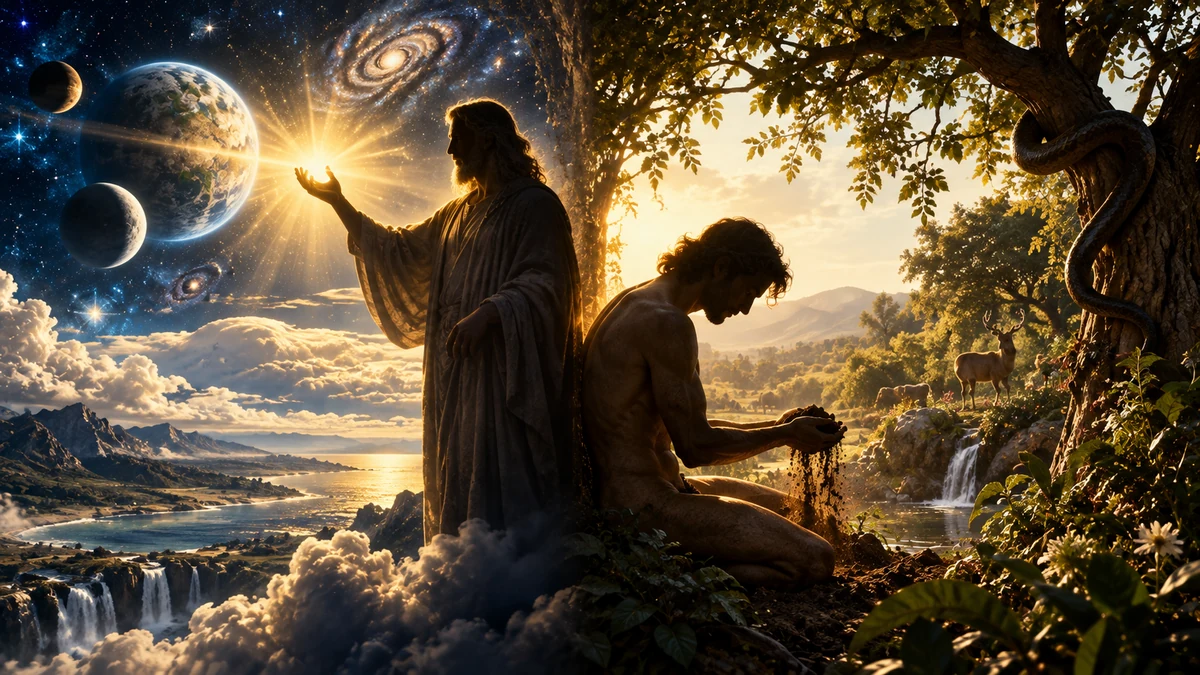
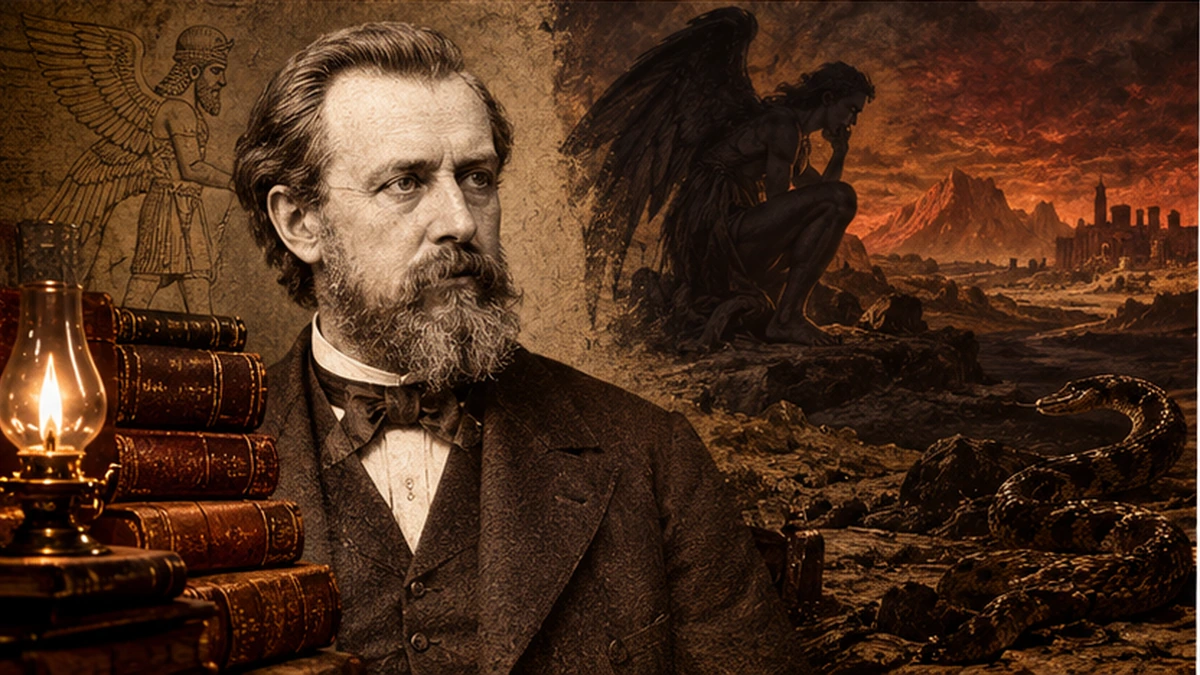
A symbolic scene of the earthly Adam and a cosmic human figure with the Tree of Life motif, representing the distinction between Adam ha-Rishon and the later kabbalistic Adam Kadmon.

Two Adams: Adam ha-Rishon and Adam Kadmon

Adam ha-Rishon and Adam Kadmon are often presented as though Jewish tradition taught two primordial humans. The sources reveal a more complex development—from Genesis and the rabbinic cosmic Adam through Philo and Paul to the Zohar and Lurianic Kabbalah.

Read article
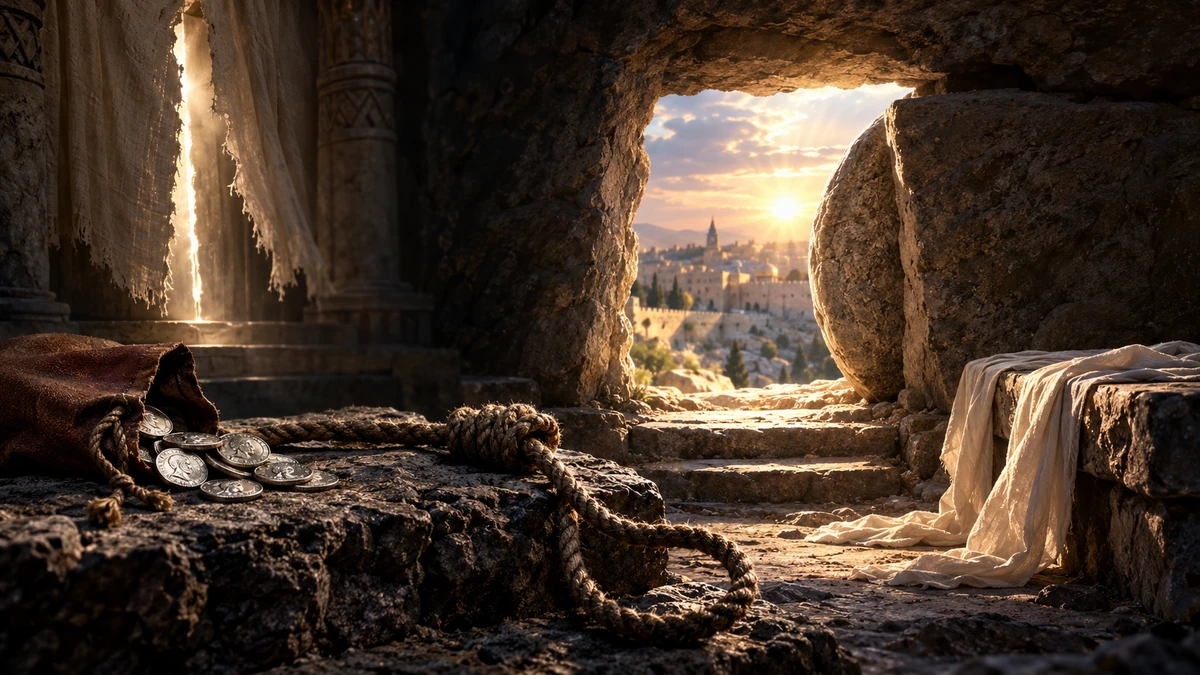
A symbolic scene of an open rock-cut tomb with four unlabelled manuscript books in the foreground; the visual represents the four Gospel narratives and is not a reconstruction of a specific historical tomb.

The Empty Tomb: Why Do the Gospels Differ?

All four Gospels know an empty-tomb tradition, yet they differ over the women, timing, messengers, reactions, Galilee, and Jerusalem. What belongs to the common core, and what reflects each evangelist’s literary shaping?

Read article
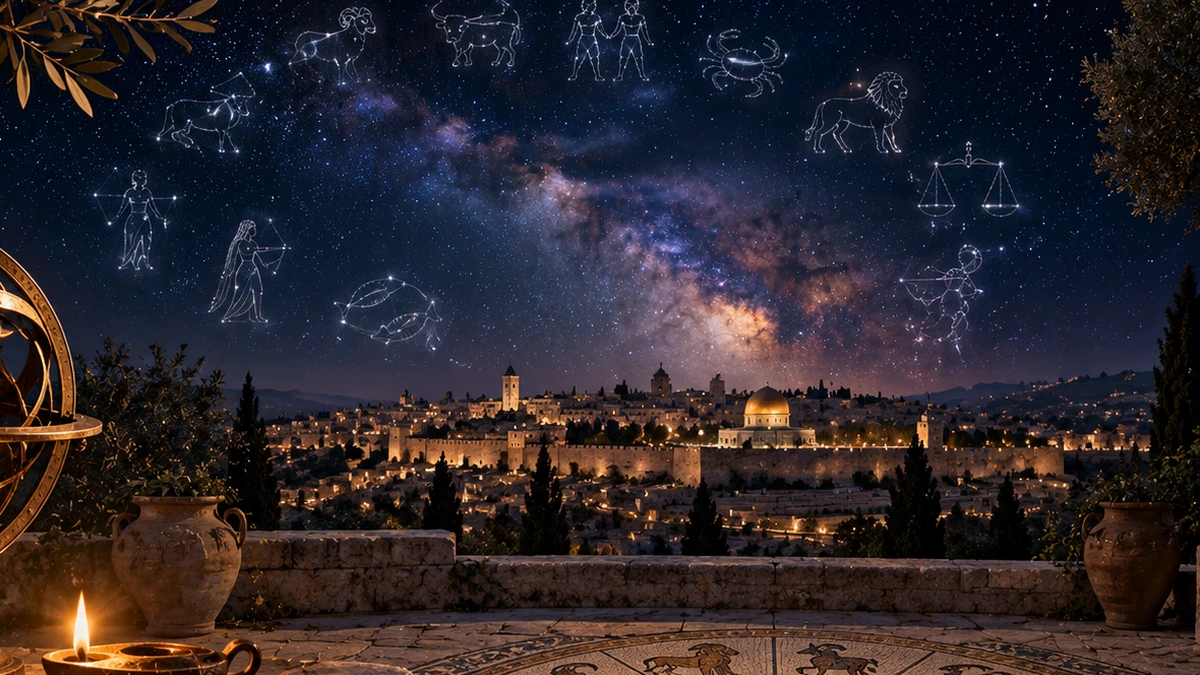
A spring landscape at sunrise beneath a full Moon, with barley, a lamb, unleavened bread and a lamp symbolizing the lunisolar calendar and spring festivals.

Easter, 14 Nisan, and the Spring Equinox

Why do Passover and Easter remain in the spring season, how does 14 Nisan relate to the full moon and equinox, and what do comparable spring festivals from Babylon and Iran to late Rome actually tell us?

Read article
A symbolic depiction of a Moses-like figure on a mountain ridge at sunset, facing a vast desert landscape.

Did Moses Write the Pentateuch?

Jewish and Christian tradition linked the Torah with Moses for centuries. Yet the text usually speaks of Moses in the third person, describes his death, and shows signs of multiple layers. What can we actually conclude from this — and what can we not?

Read article
A symbolic depiction of heavenly Watchers and humans in an ancient mountain landscape, used as a visual metaphor for the Enochic tradition.

Nephilim, sons of God and 1 Enoch

Genesis 6 gives only four enigmatic verses. 1 Enoch expands them into a story of Watchers, giants, and forbidden knowledge. What belongs to the original text and what to later interpretation?

Read article

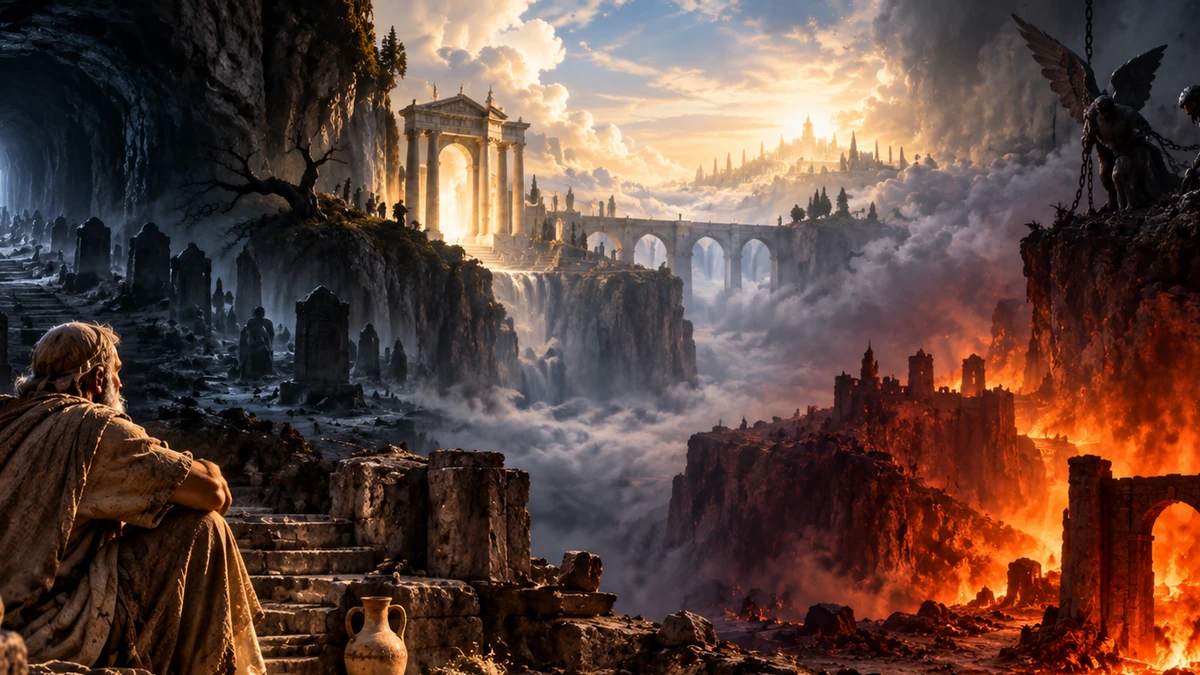
A symbolic divergence of several distinct ancient images of death, underworld, judgment, and imprisonment within one wide scene.

Hell in the Bible: Sheol, Hades, Gehenna, and Tartarus

When a translation renders several different terms with the single word “hell,” the Bible can appear to describe one uniform place. The source texts distinguish Sheol, Hades, Gehenna, and Tartarus—and Revelation's lake of fire is not even identical with Hades.

Read article
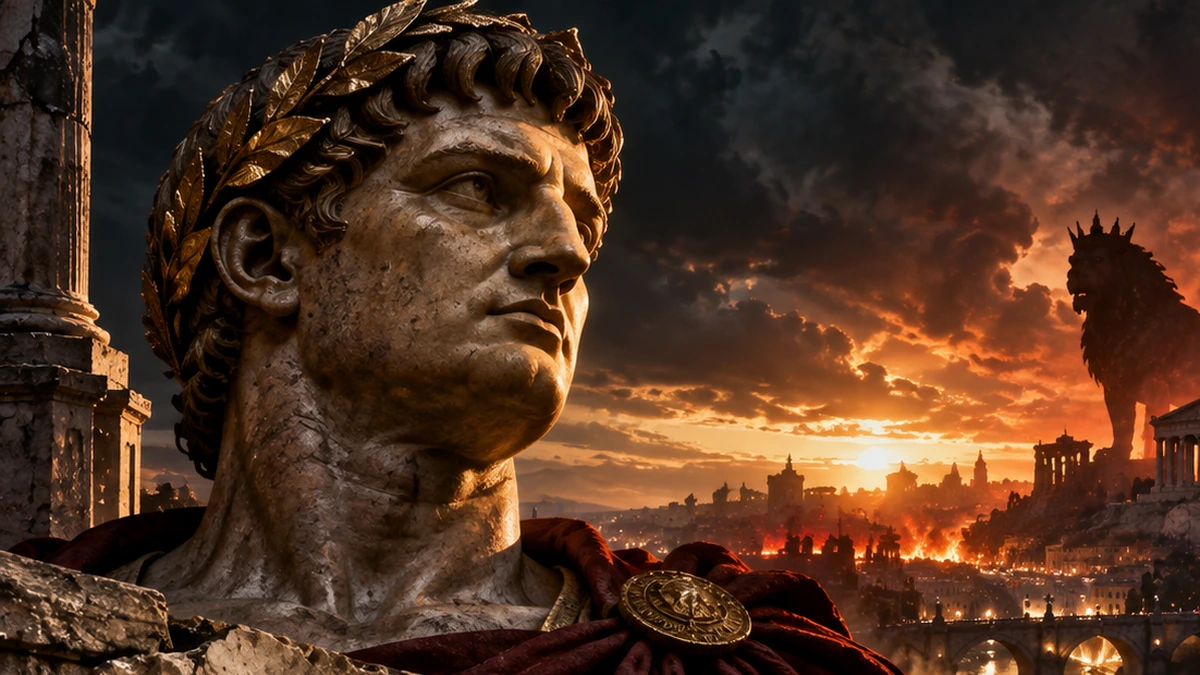
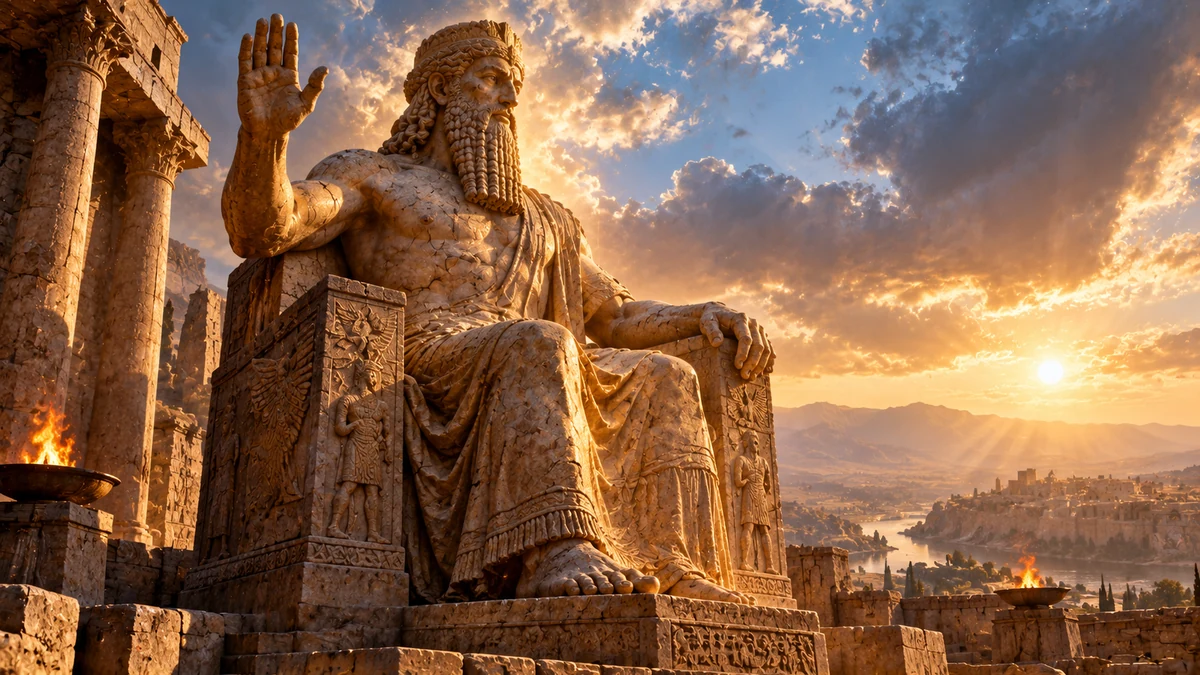
A monumental Roman imperial portrait before a burning imperial city, with an apocalyptic beast rising as a shadow over the horizon.

666 or 616: Nero and the Number of the Beast

Revelation asks the reader to calculate the beast’s number. Why do most manuscripts read 666 while some early witnesses read 616—and why does that difference strongly support, but not finally prove, a connection with Nero?

Read article
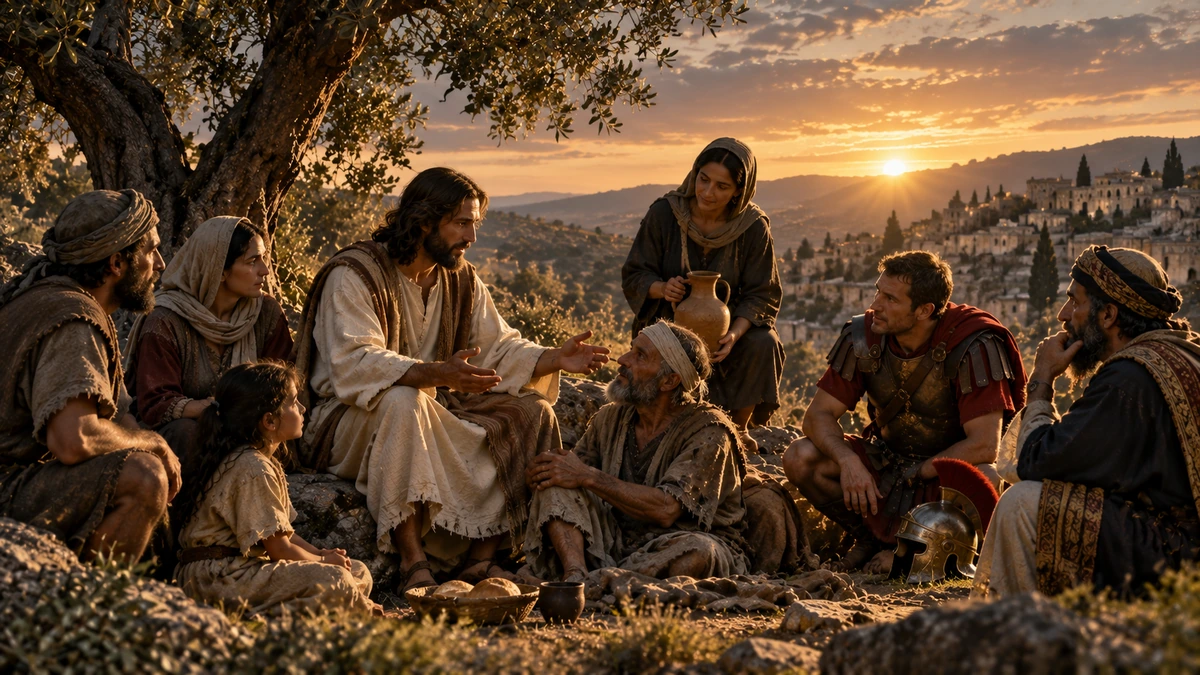
A teacher in a Jewish setting speaks with a diverse group beneath an olive tree; listeners include a child, an elder, a woman, and a Roman soldier in warm evening light.

Natural Law and the Teachings of Jesus

A comparison of where Jesus’ teachings clearly align with Natural Law, where they align only partly because the foundations differ, and where the comparison reaches its limits.

Read article

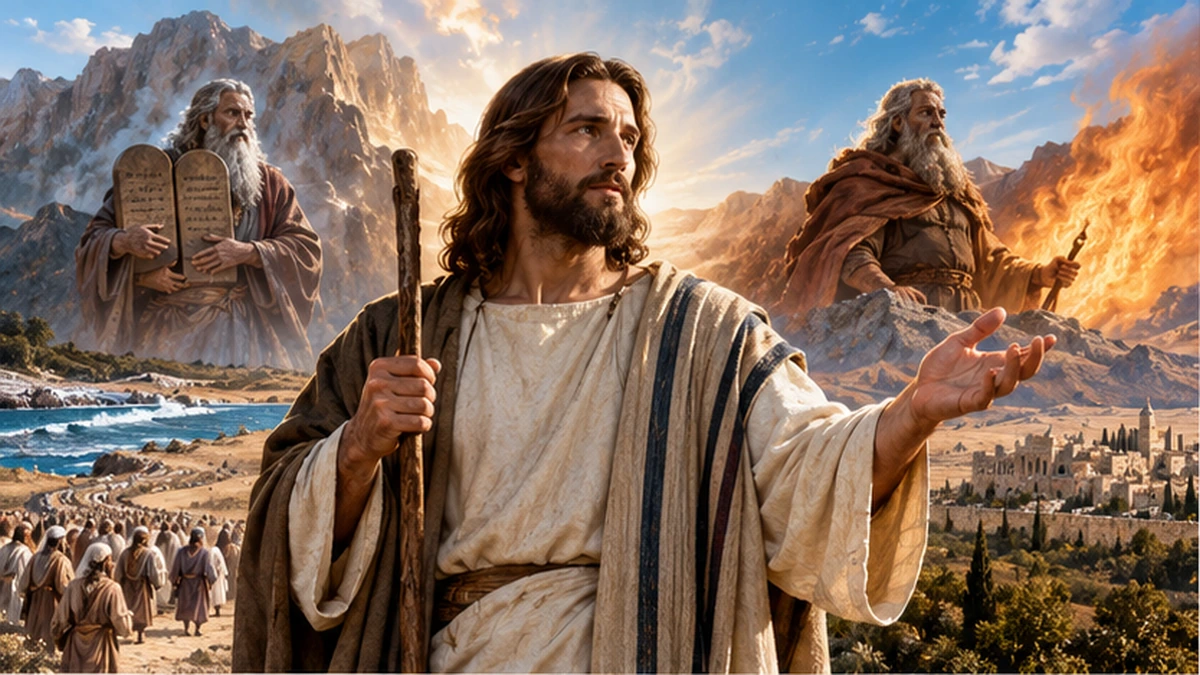
A central biblical figure stands between three connected scenes: parted exodus waters, a fiery mountain, and a landscape with a city, evoking Mosaic, Elijah, and Israel narrative patterns.

Jesus as a New Moses, a New Elijah, and a New Israel

The Gospels narrate Jesus through older scriptural patterns: Matthew draws especially densely on Moses, exodus, and Israel, while Luke develops Elijah and Elisha motifs. Typology, however, is neither historical proof nor proof of invention.

Read article