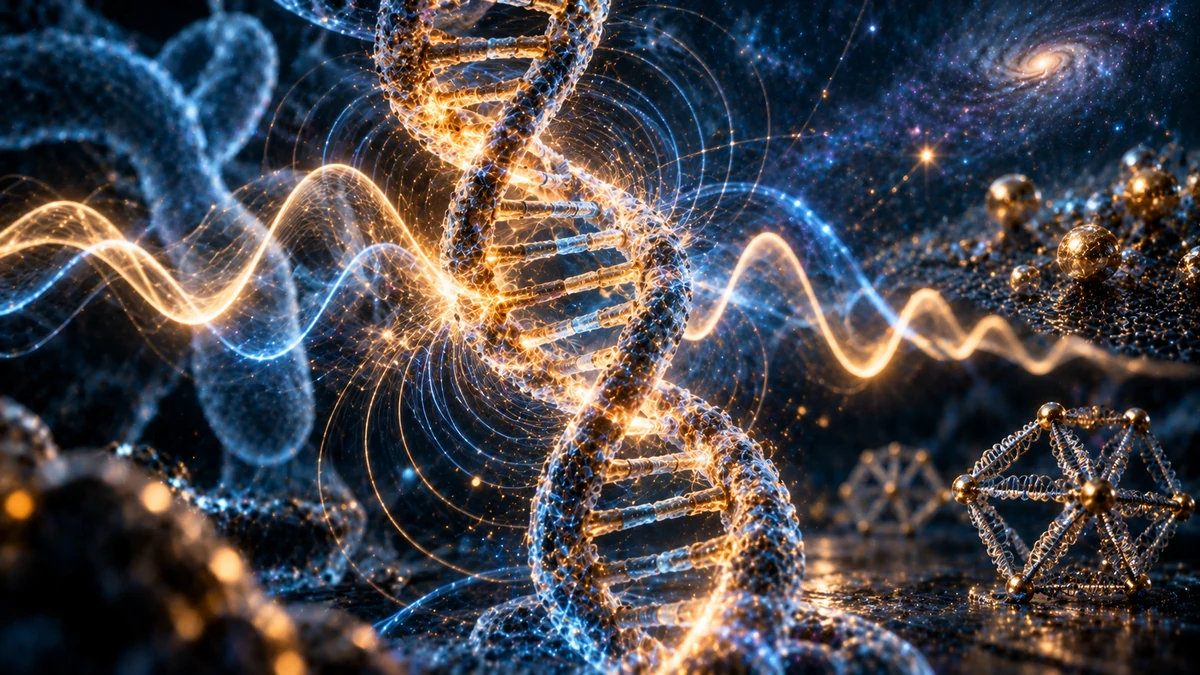
DNA as an Antenna: Biology or Metaphor?
DNA absorbs electromagnetic radiation, transports charge and has measurable resonances. Does that mean the genome is a natural antenna for external or “cosmic” information?
Read articleShorter entry points into the questions explored across THY-REALITY. Browse by field or search directly by title and description.
DNA absorbs electromagnetic radiation, transports charge and has measurable resonances. Does that mean the genome is a natural antenna for external or “cosmic” information?
Read article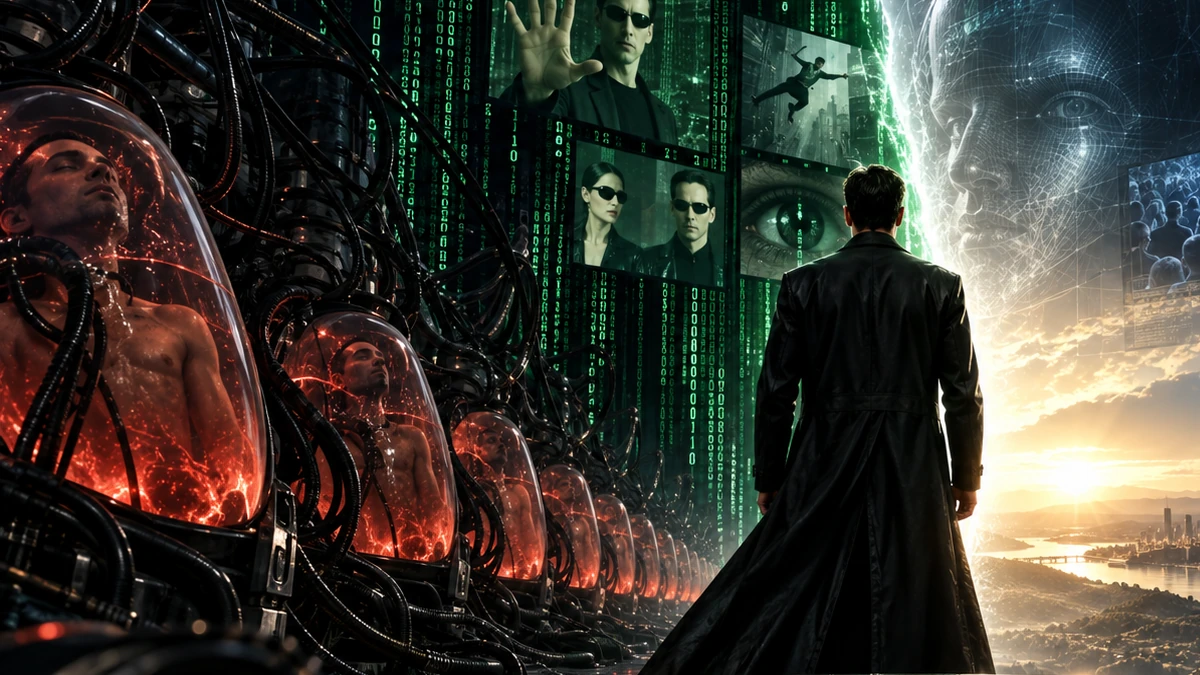
From Plato’s cave, Descartes and brains in vats to Baudrillard, Gnosticism, algorithms and synthetic media: what did The Matrix actually draw from philosophy, and why does its metaphor feel even stronger today?
Read article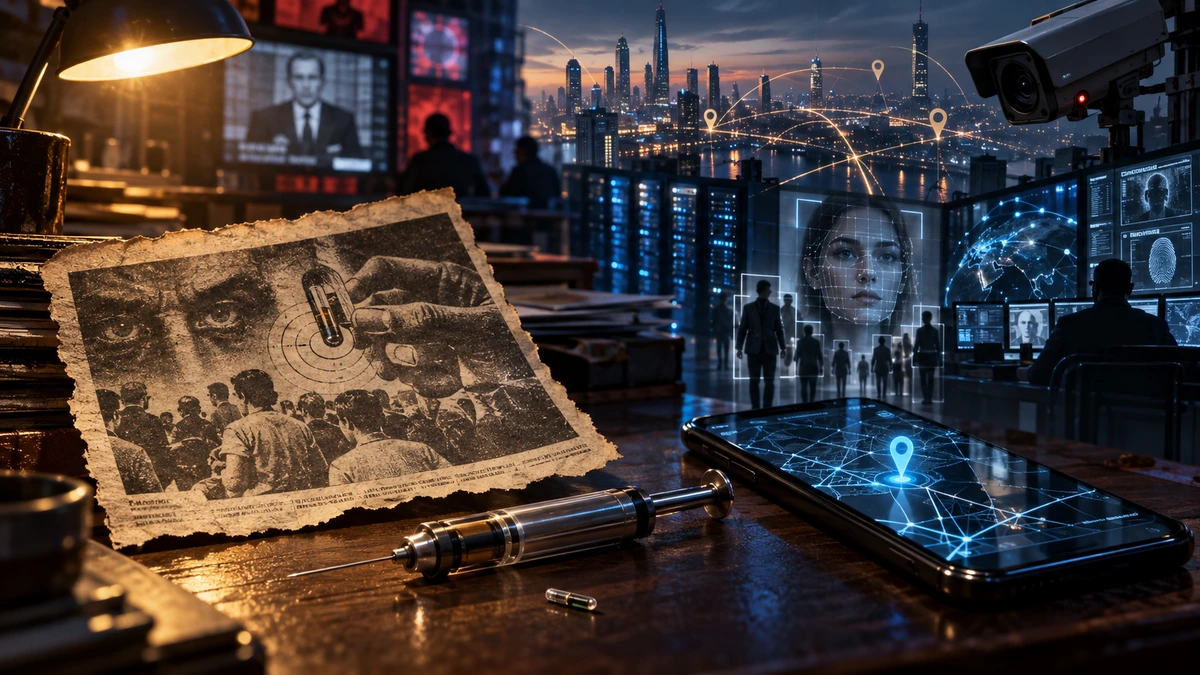
A clipping attributed to 1989 describes implanted microchips, a master computer, tracking, and vaccination.
Read article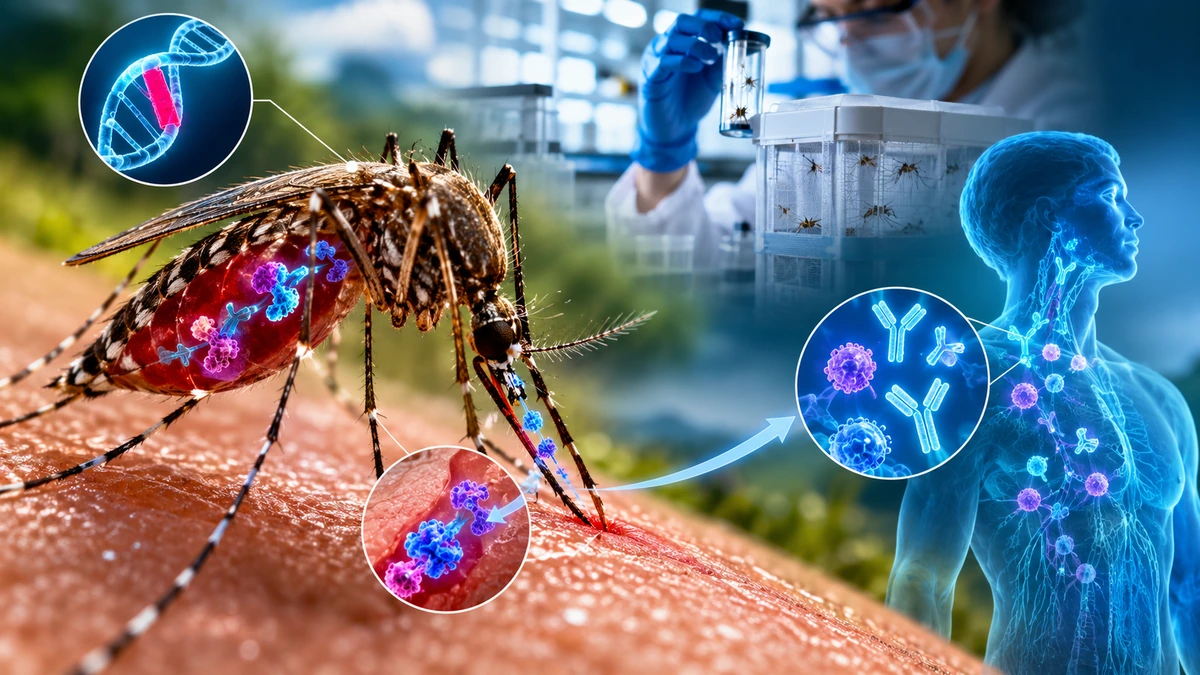
The “flying vaccinator” concept has already been demonstrated in the laboratory, and humans have been immunized by mosquito bites in controlled research.
Read article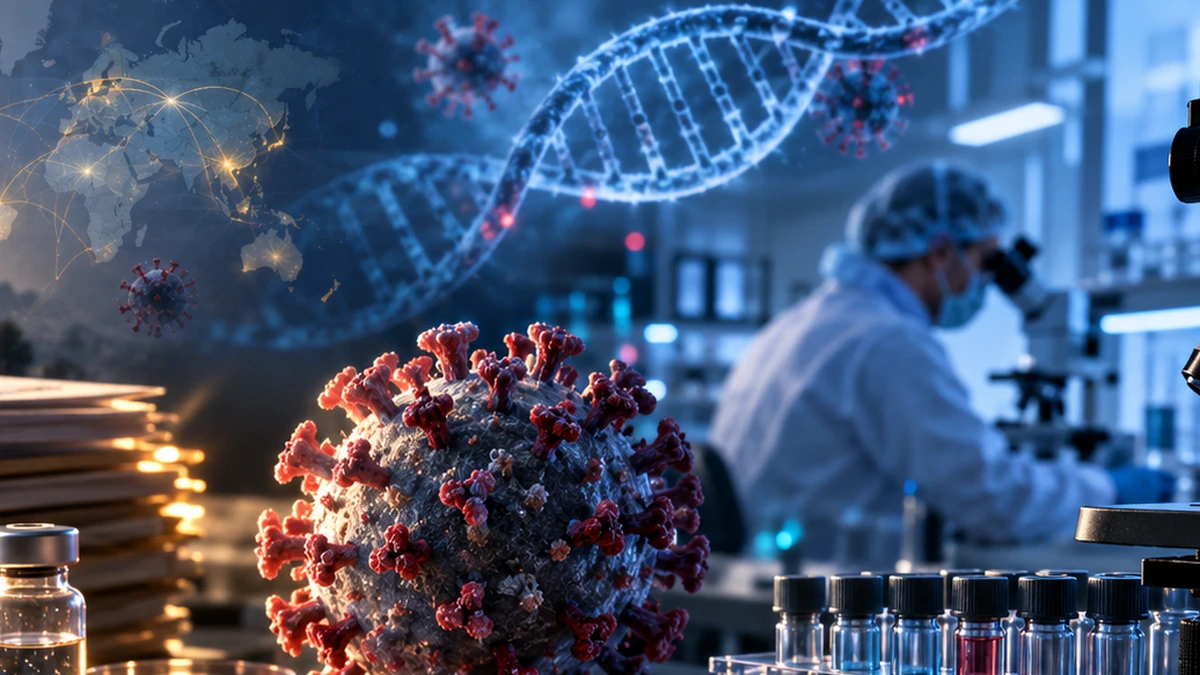
What do earlier coronavirus patents and research document—and what cannot be inferred from their existence about the COVID-19 pandemic?
Read article
Kelly’s 1980s manual is a real document collecting dozens of unconventional energy projects. What is historically verifiable, what is established physics, and where does the over-unity claim require an independent energy balance?
Read article
Around 1900 electric cars seriously competed with steam and gasoline; their decline had technological, economic and infrastructure causes.
Read article
Tesla is extraordinary enough without myth: polyphase AC, the induction motor, remote control and wireless experiments are documented.
Read article
Networks, cloud services, and automation make life easier while hiding dependencies. How can we build resilience without technological autarky?
Read article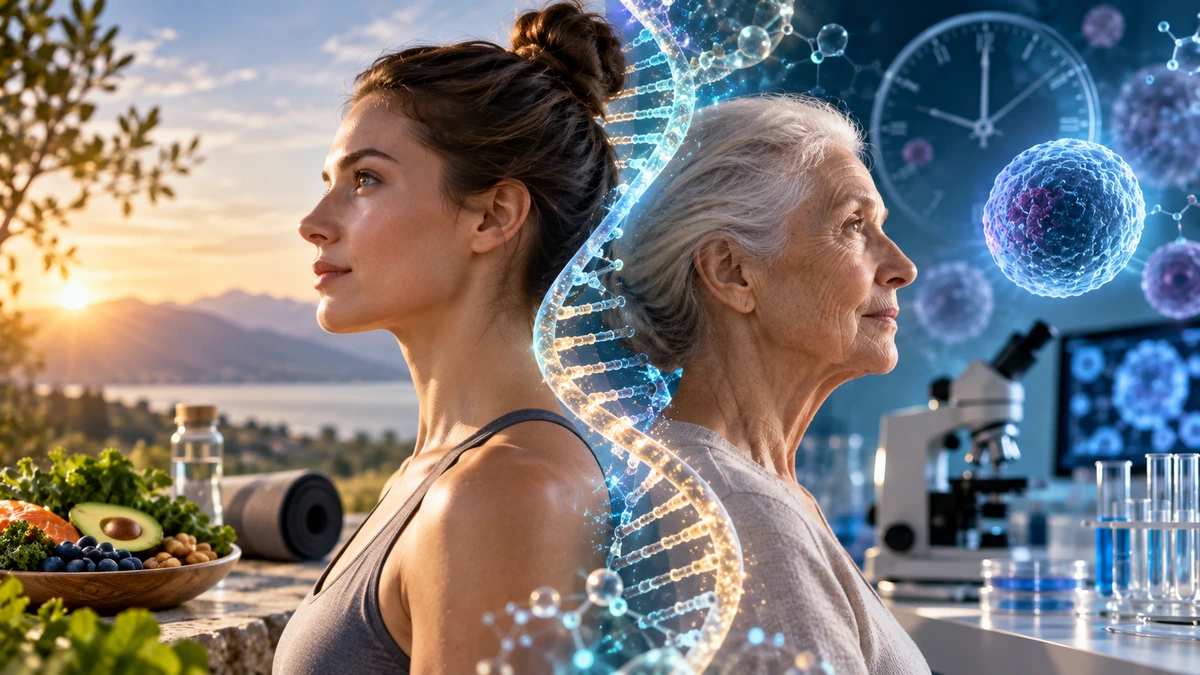
Aging biology has become a serious research field, but human evidence for life extension remains far weaker than the marketing. What do we actually know about geroscience, rapamycin, senolytics and biological clocks?
Read article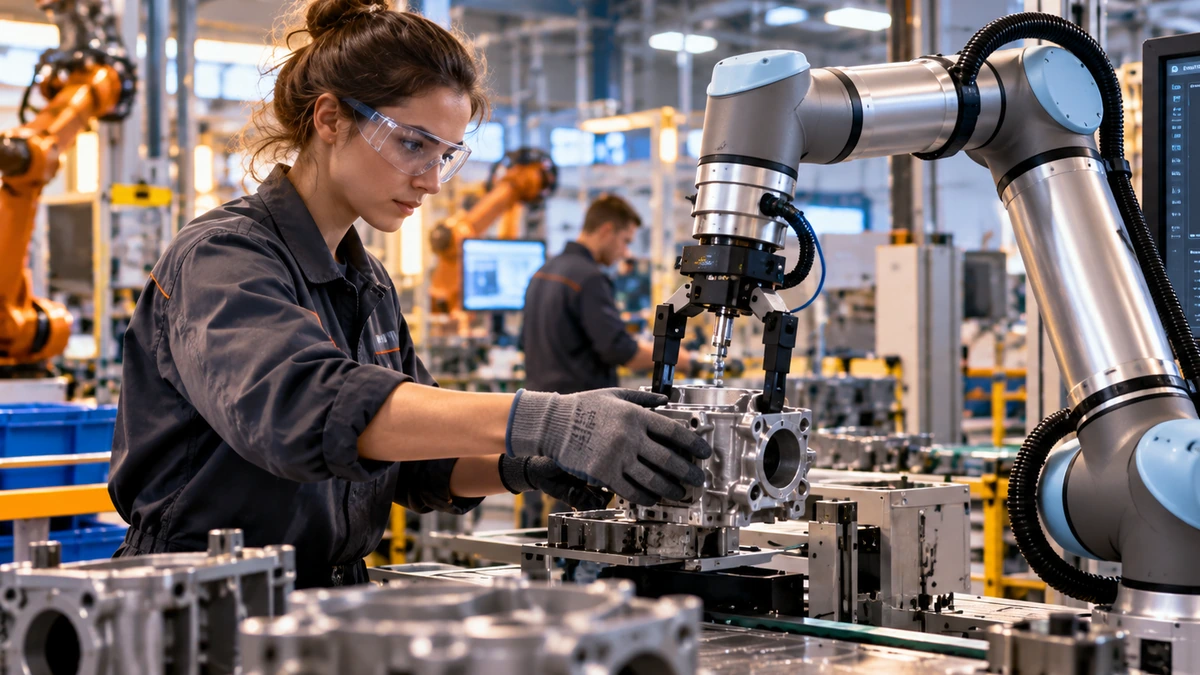
Automation changes more than job counts: it reallocates tasks, decision power and benefits. What does evidence actually show about robots, productivity, skills and power at work?
Read article
Cybernetics linked feedback, regulation and communication across machines, organisms and organizations. What does it reveal about automation — and where do questions about humans and system goals begin?
Read article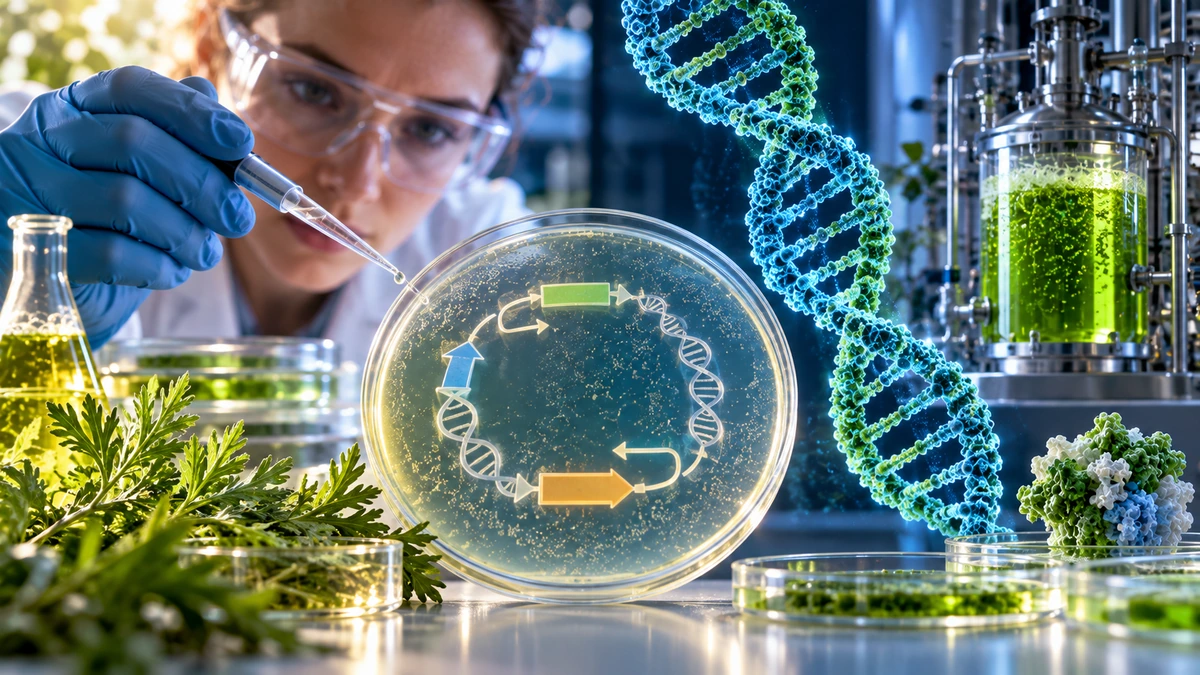
Synthetic biology does more than alter individual genes: it builds circuits, metabolic pathways and even genomes. What does it mean to “program” living systems — and why is life never merely a machine?
Read article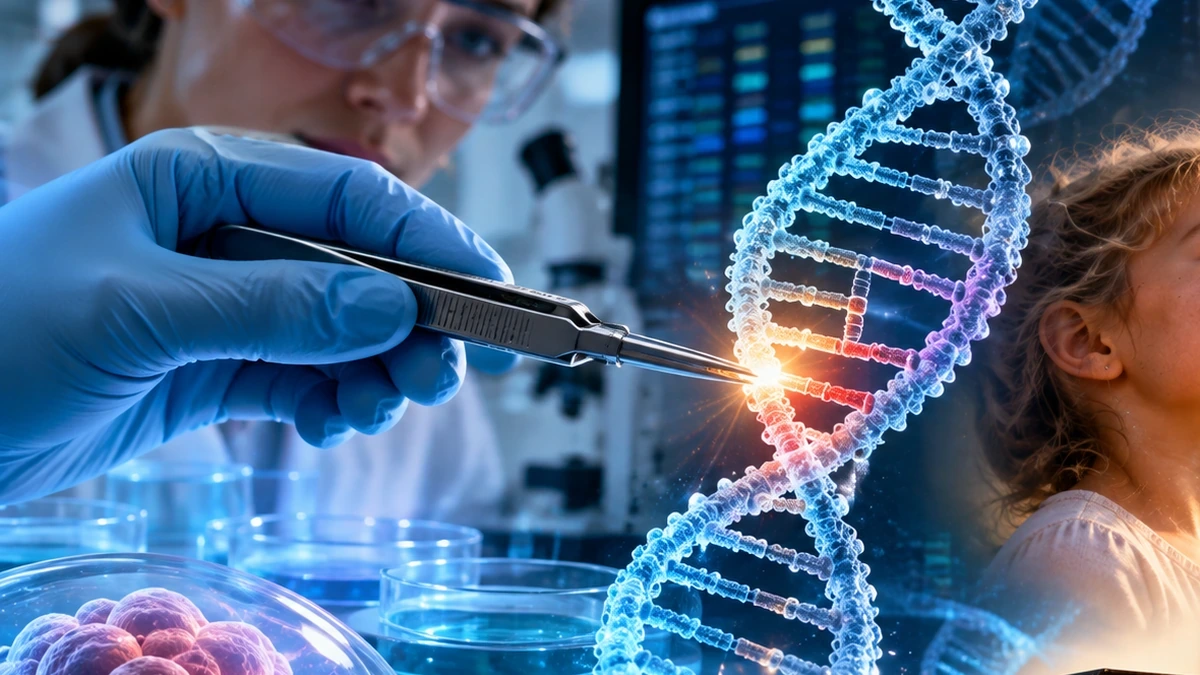
CRISPR can treat disease, alter an individual's cells, or intervene in a heritable line. These are not the same thing. Where does treatment end and an intervention with societal consequences begin?
Read article
Data is not merely a record but infrastructure for digital power. This article separates personal from other data, controllers from processors, access from ownership, and examines portability, privacy, concentration and inferred profiles.
Read article
A feed is not a mirror of the public but a selection system in which recommendations, personalisation and interface design shape visibility.
Read article
Digital identity and electronic payments can improve security and convenience, but excessive concentration can turn them into exclusion points.
Read article
When does AI support judgment, and when does its recommendation become the de facto decision? This article separates tool, adviser and authority, then defines boundaries for human oversight, challenge and accountability.
Read article
A definitional map of three terms often used as synonyms: the brain as a biological organ, mind as the level of mental functions, and consciousness as subjective experience—without prematurely choosing a single theory of consciousness.
Read article
What can we actually measure about consciousness? This article separates robust neuroscientific findings, competing theories, clinical limits and the unresolved problem of subjective experience.
Read article
“Brain rot” is not a medical diagnosis. This article separates the cultural metaphor from the evidence and examines short-form video, problematic use, attention, self-control, sleep, social comparison, adolescent development, and platform design.
Read article
From gene therapy and prostheses that treat disease or restore lost function to BCIs, heritable modification and the posthuman ideal: where does medicine stop serving the person and begin adapting the person to a technological system?
Read article
A BCI can restore speech or computer control to a person with paralysis. But what changes when an implant is no longer treatment but enhancement — and when neural data, software, and a vendor become part of the path between intention and action?
Read article
When a device is no longer merely in the hand but on the body, inside it, or between a person and access to the world, the question changes: who controls the function, data, updates — and can the person still exit?
Read article
When therapy heals, technology serves the person. When a healthy person becomes the target of genetic, neural or bodily optimization, questions of coercion, privilege, inherited advantage and the right to remain unenhanced emerge.
Read article
Eugenics was not only a Nazi idea but an international movement that turned heredity into reproductive policy.
Read article
Informed consent is not a signature but a process: information, comprehension, decision-making capacity, voluntariness, and a genuine ability to refuse.
Read articleNo article matches your search.