The Eleusinian Mysteries: What Happened Behind Closed Doors?
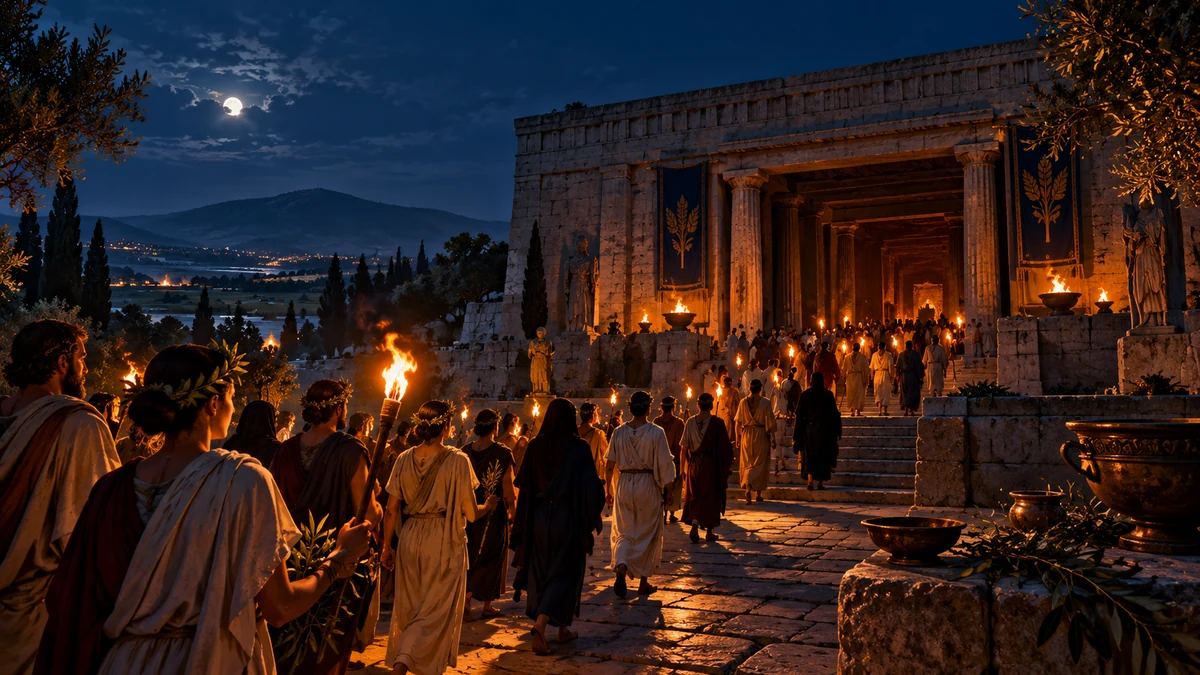
What we actually know about the Eleusinian Mysteries: Demeter and Persephone, the procession, Telesterion, kykeon, afterlife hope, and the disputed psychedelic hypothesis.
Read articleShorter entry points into the questions explored across THY-REALITY. Browse by field or search directly by title and description.
What we actually know about the Eleusinian Mysteries: Demeter and Persephone, the procession, Telesterion, kykeon, afterlife hope, and the disputed psychedelic hypothesis.
Read article
Prešeren’s The Baptism on the Savica joins defeat, love, Christianization, and renunciation in one of the most debated works of Slovene literature. This article separates historical Carantania from literary construction and presents religious, political, and national readings of the poem.
Read article
Bodhidharma is remembered as the first patriarch of Chinese Chan, yet early sources diverge. Explore his historical trace, teachings, and later legends about Shaolin and martial arts.
Read article
James Wasserman places the Templars and the Nizari Ismailis in the same Crusader world and looks for spiritual and initiatory connections between them; this article separates documented contact, medieval legend, and the author’s esoteric interpretation.
Read article
Griesinger’s 1861 book connects papal temporal power, forged documents, investiture, money, Avignon, the Borgias, and nepotism; this article separates documented history from nineteenth-century liberal-Protestant polemic.
Read article
Brenda Ralph Lewis moves from the Cadaver Synod and the Cathars to the Borgias, Galileo, and Pius XII; this article compares her dark episodes with newer scholarship and separates documented history from polemical framing.
Read article
What the Church of Jesus Christ of Latter-day Saints actually teaches, what it acknowledges about its own history, and where the major historical, textual, and institutional questions arise
Read article
Why a failed prediction often does not destroy a movement—and how failure can become new doctrine, stronger identity, or a lasting institution
Read article
In God: An Anatomy, Francesca Stavrakopoulou follows the body of God from feet and genitals to hands, face, and breath, using anatomy to tell a history of changing divine presence.
Read article
In The Name, Mark Sameth follows the Tetragrammaton YHWH through ancient religious imagery, Hebrew language, rabbinic tradition, Kabbalah, and the history of the Hu-Hi — “He-She” — reading.
Read article
Hinduism recognizes many deities, but also Brahman, one supreme Lord, and non-dual reality. What do polytheism, monotheism, and monism actually mean across different Hindu traditions?
Read article
From the Watchers of Enoch to the modern occult theory of a collective psychic formation: how the meaning of the egregore gradually changed through the nineteenth and twentieth centuries.
Read article
A presentation of 1666: Redemption Through Sin: Sabbatai Zevi, Jacob Frank, antinomianism, secret societies, the Illuminati, the Rothschilds, Zionism, and Sepehr’s theory of historical continuity.
Read article
The seven rainbow chakras are not one unchanged ancient system; today’s standard image combines several traditions and later Western reinterpretations.
Read article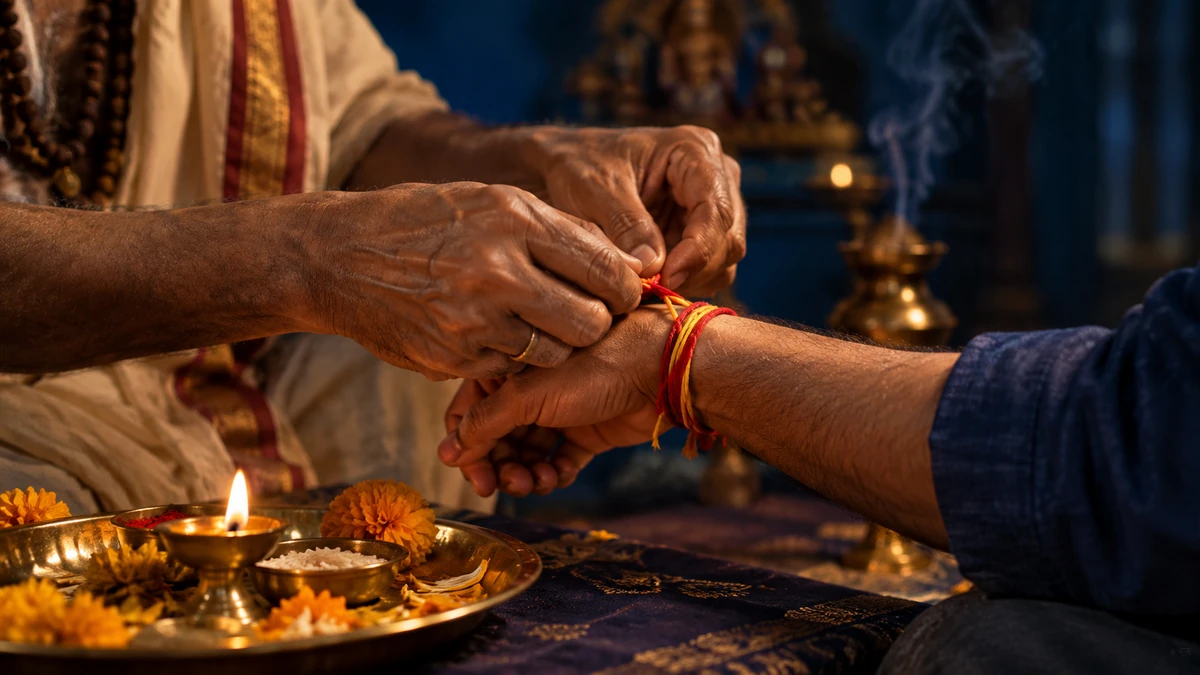
Kalava or mauli is a simple ritual thread with a long history of protection, blessing and binding. The sources reveal older Vedic antecedents, regional variation, the King Bali mantra, and an important distinction between kalava and rakhi.
Read article
Where do the seven Hermetic principles actually come from, which of their themes appear in the ancient Corpus Hermeticum, and what in The Kybalion is a modern synthesis?
Read article
From a philosophy of freedom to anthroposophy: Steiner’s path through the Goetheanum, Waldorf education, biodynamics, medicine, and cultural reform.
Read article
Adam ha-Rishon and Adam Kadmon are often presented as though Jewish tradition taught two primordial humans. The sources reveal a more complex development—from Genesis and the rabbinic cosmic Adam through Philo and Paul to the Zohar and Lurianic Kabbalah.
Read article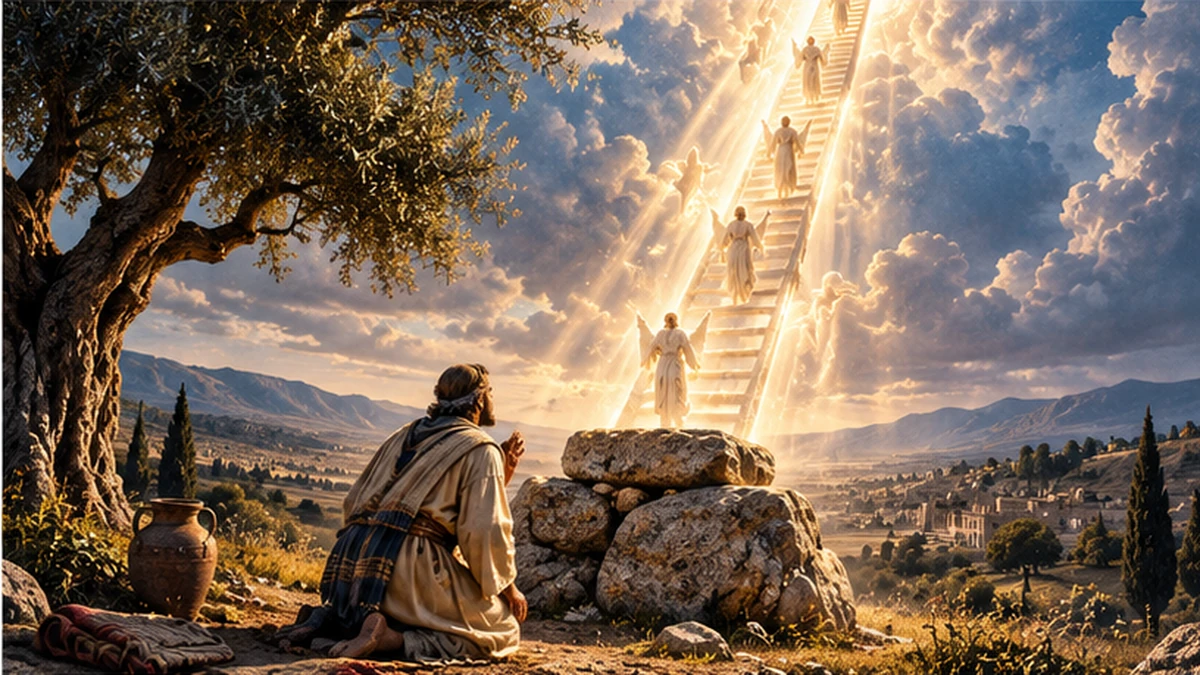
What does Genesis actually say about Jacob’s stone at Bethel? From the maṣṣēbāh and the northern Israelite sanctuary to archaeology, the prophets, Jubilees, and the later Stone of Scone legend, we separate text, cultic memory, and later mythology.
Read article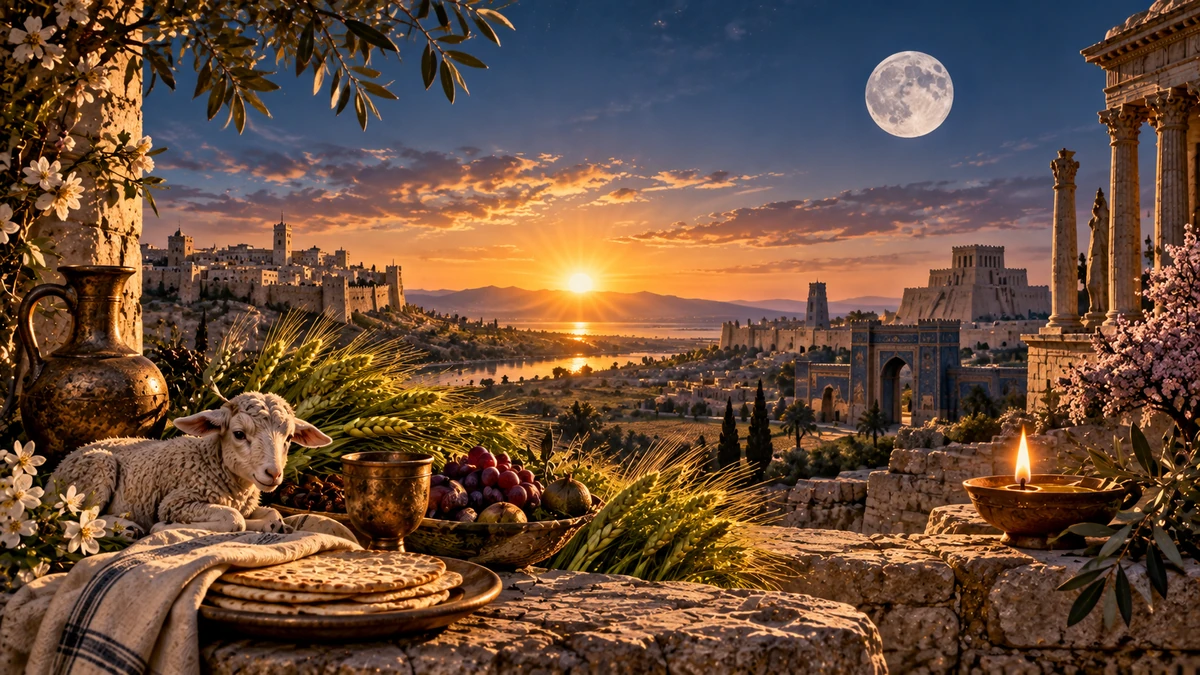
Why do Passover and Easter remain in the spring season, how does 14 Nisan relate to the full moon and equinox, and what do comparable spring festivals from Babylon and Iran to late Rome actually tell us?
Read article
Is Sanātana Dharma the ancient name of Hinduism, a broader way of life, or an eternal order? The history of the phrase reveals an old dharma concept, a modern collective name, and an important distinction between them.
Read article
The Hebrew Bible preserves both demands for exclusive loyalty to Yahweh and traces of a wider divine world.
Read article
Early Islam is not a single chronological layer. The Qur’an, early manuscripts and inscriptions, sira, hadith, the caliphate and legal schools belong to different periods and require different evidentiary weighting.
Read article
Early Christianity did not begin as a finished institution. From a Jewish Jesus movement, disputes over Gentiles, leadership, teaching, texts and authority produced multiple churches, a canon and later orthodoxy.
Read articlePage 2 of 3