 Part 1 / 26
Research series
Who decides what is true?
Twenty-six connected research articles on authority, evidence, propaganda, institutional learning, uncertainty, and concrete religious and organizational cases. The series separates claims, evidentiary standards, and documented findings and is designed for sequential or standalone reading.
Part 1 / 26
Series sequence
26 articles in reading order
Series chapter
10
I. Methodological foundation
The first ten articles establish tools for assessing authority, evidence, identity, enemies, institutions, expertise, consensus, and uncertainty.
Part 1 / 26
 Part 2 / 26
How Is Reality Shaped?
Agenda-setting, framing, repetition, propaganda, and the boundary between informing and steering
Read article Part 3 / 26
When Doubt Becomes Identity
Conspiracy theories, real conspiracies, pattern-seeking, and self-sealing explanations of the world
Read article Part 4 / 26
How Is an Enemy Made?
War propaganda, dehumanization, “atrocity stories,” and the creation of public support for conflict
Read article Part 5 / 26
When an Institution Cannot Admit Error
Organizational silence, normalization of deviance, whistleblowers, and the difference between legitimate secrecy and concealment of responsibility
Read article Part 6 / 26
Who Watches the Watchers?
Regulatory capture, the revolving door, conflicts of interest, and the problem of independent oversight
Read article Part 7 / 26
Who Pays for Expertise?
Research funding, conflicts of interest, industry science, and the boundary between sponsored research and a purchased result
Read article Part 8 / 26
How Does Expert Consensus Form?
Peer review, replication, meta-analysis, paradigms, minority views, and why consensus is not the same as truth
Read article Part 9 / 26
What Does “Proven” Actually Mean?
Proof, indications, probability, statistical significance, causation, testimony, and degrees of certainty
Read article Part 10 / 26
How Do We Live with Uncertainty?
Probability, calibration, decision-making without complete knowledge, and the ability to change our minds
Read article
Series chapter
2
II. Prophecy and the closed world
Two bridge articles examine what happens when a prediction fails and when a group becomes the primary framework for understanding the world.
 Part 11 / 26
When Prophecy Fails: From the Great Disappointment of 1844 to 1914, 1975, and “New Interpretation”
Why a failed prediction often does not destroy a movement—and how failure can become new doctrine, stronger identity, or a lasting institution
Read article Part 12 / 26
When the Group Becomes the Whole World: Apocalyptic and High-Control Movements
From Jehovah’s Witnesses and Mormonism to the Unification Church, Jonestown, Waco, Heaven’s Gate, and Aum Shinrikyo—what a “high-control group” is, what apocalypticism is, and why unusual belief does not by itself cause violence
Read article
Series chapter
4
III. Doctrinal and institutional cases
Comparative studies of Jehovah’s Witnesses, Mormonism, the Unification Church, and Aum Shinrikyo/Aleph apply the same evidentiary framework to different kinds of claims and organizational practices.
 Part 13 / 26
From 1914 to “New Light”: Jehovah’s Witnesses, Prophecy, Doctrinal Revision, and Organizational Authority
How a small American Bible-study movement became a global religious organization—and what its history reveals about failed predictions, changing rules, and the authority of those who interpret “truth”
Read article Part 14 / 26
From Golden Plates to a Global Church: Mormonism, Revelation, Historical Change, and Institutional Authority
What the Church of Jesus Christ of Latter-day Saints actually teaches, what it acknowledges about its own history, and where the major historical, textual, and institutional questions arise
Read article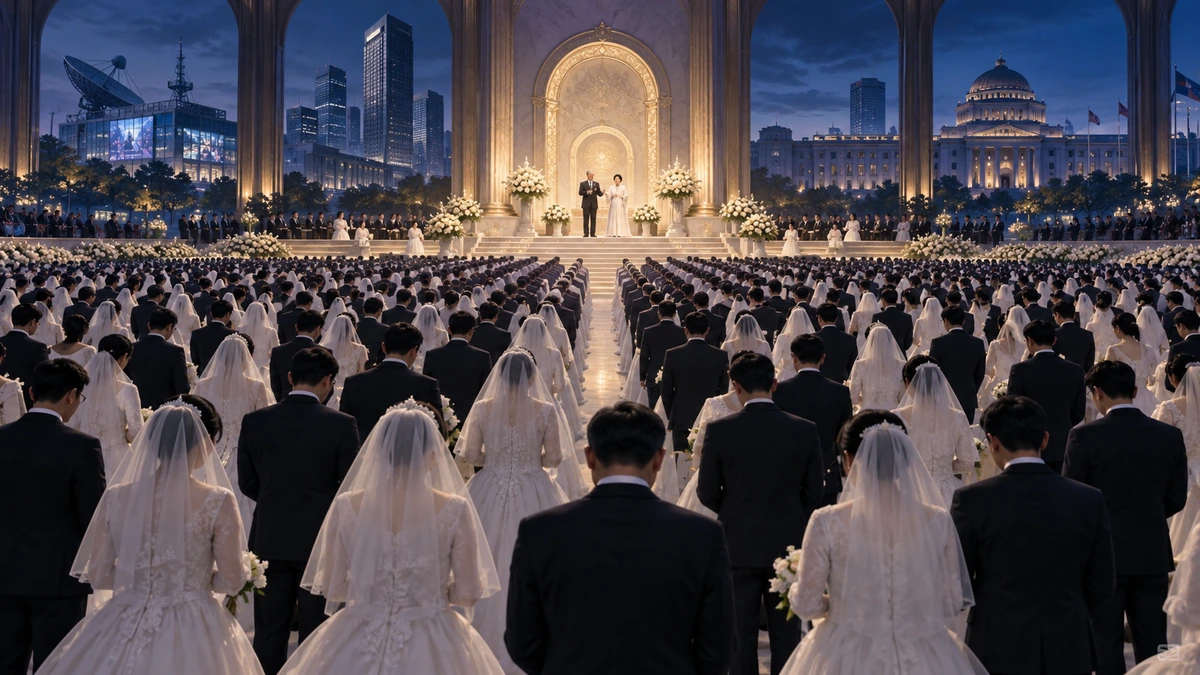 Part 15 / 26
The World’s “True Parents”: The Unification Church, Messianic Theology, Mass Weddings, Money, and Political Influence
How Sun Myung Moon built a global network of churches, businesses, media organizations, and political projects from a Korean religious movement—and why Japan stripped the organization of its religious-corporation status
Read article Part 16 / 26
When Apocalypse Becomes a Program: Aum Shinrikyo, Sarin, and the Transformation of a Spiritual Movement into a Terrorist Organization
From a small yoga group to the chemical attack on the Tokyo subway—and why Aum’s successors still remain under special state surveillance in 2026
Read article
Series chapter
5
IV. Comparative case studies
Jonestown, Waco, Heaven’s Gate, the Order of the Solar Temple, and NXIVM show different combinations of authority, belonging, conflict, isolation, and control.
 Part 17 / 26
 Part 18 / 26
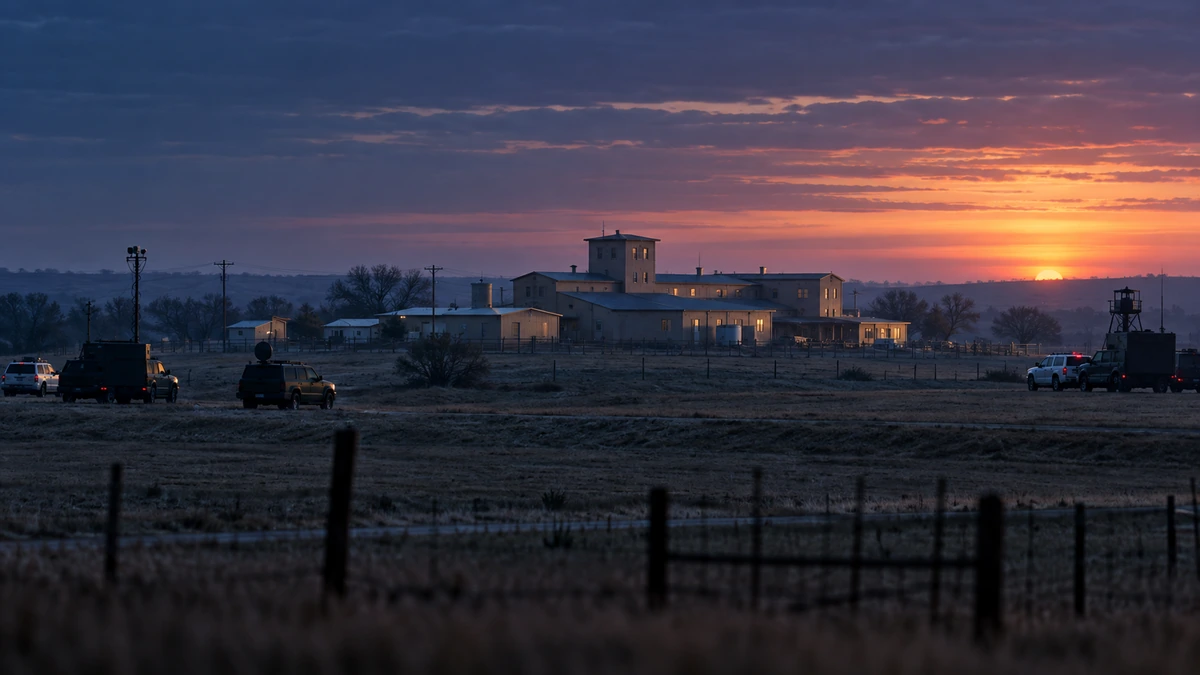
Waco
The Branch Davidians Between Apocalyptic Theology, a Failed Raid, a 51-Day Siege, and a Deadly Fire
Read article Part 19 / 26
Heaven’s Gate
When the Body Becomes a “Vehicle,” the World a “Classroom,” and Death “Graduation”
Read article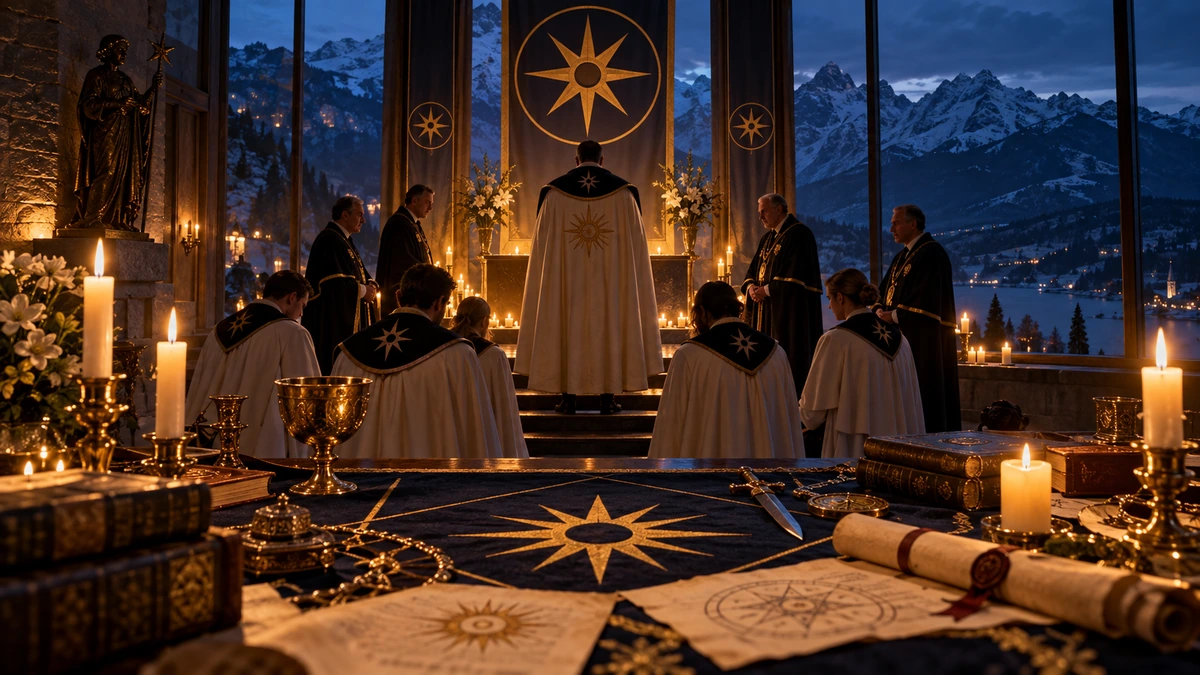 Part 20 / 26
Order of the Solar Temple
When Initiation Becomes a Hierarchy of Reality and “Transit” Merges Murder with Suicide
Read article Part 21 / 26
NXIVM
When “Personal Growth” Becomes a Hierarchy of Obedience and a Secret Structure Becomes a System of Coercion
Read article
Series chapter
5
V. Extended institutional cases
Scientology, Children of God / The Family International, FLDS, Twelve Tribes, and Shincheonji are additional cases examined with the same behavioral and evidentiary standard without automatically equating them.
 Part 22 / 26
Scientology
When spiritual progress is simultaneously a path, an organization, and a system of authority
Read article Part 23 / 26
Children of God / The Family International
When prophetic authority reaches into family, body, and everyday life
Read article Part 24 / 26
 Part 25 / 26
 Part 26 / 26
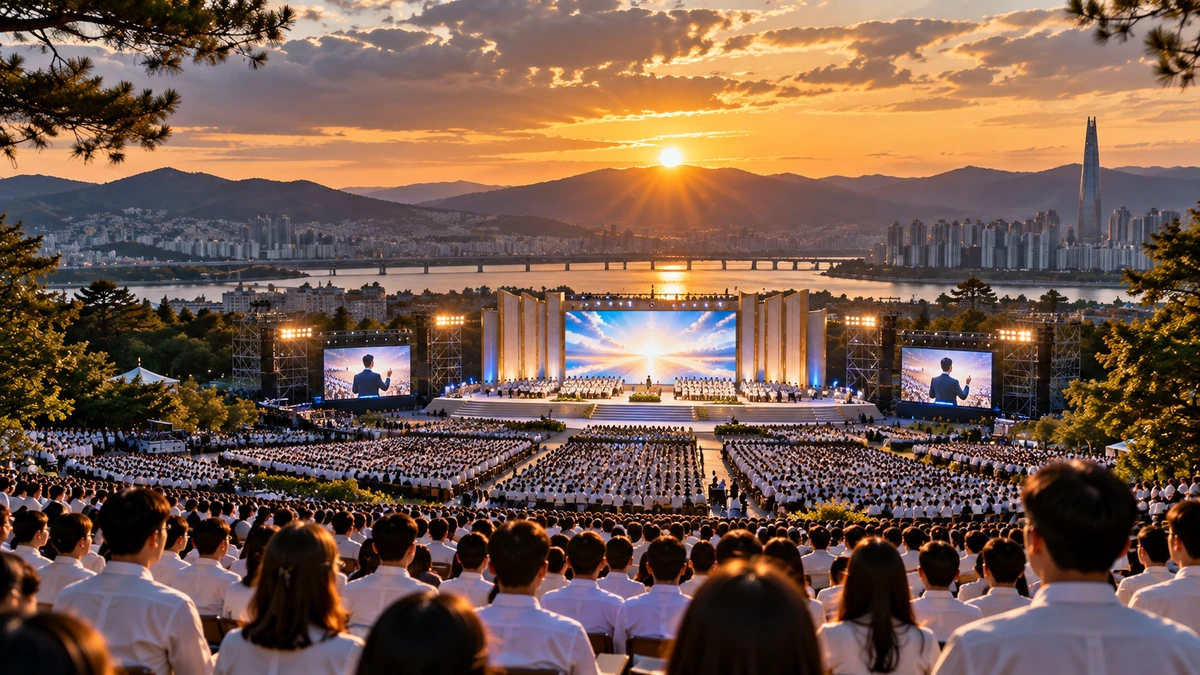
Shincheonji Church of Jesus
When Revelation becomes a map of reality — and the question is not only what you believe, but who gets to explain what has already been fulfilled
Read article