Who Are the Descendants of the Biblical Hebrews?
What links ancient Hebrews with communities today? A review of historical texts, archaeology and the limits of genetic research.
Read articleShorter entry points into the questions explored across THY-REALITY. Browse by field or search directly by title and description.
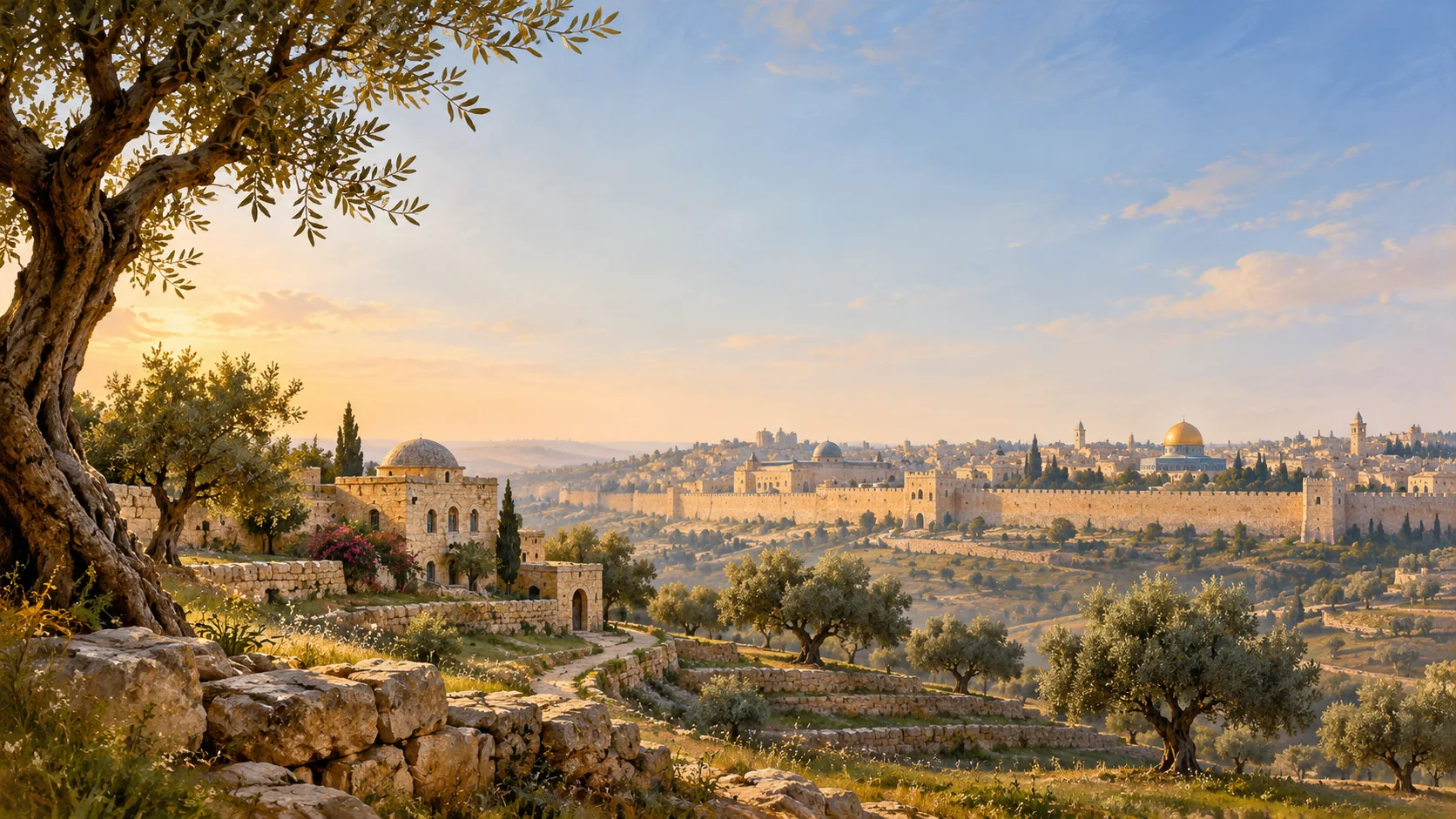
What links ancient Hebrews with communities today? A review of historical texts, archaeology and the limits of genetic research.
Read article
Who does Palestine belong to? We distinguish the history of settlement, rule and legal claims from the present rights of both peoples.
Read article
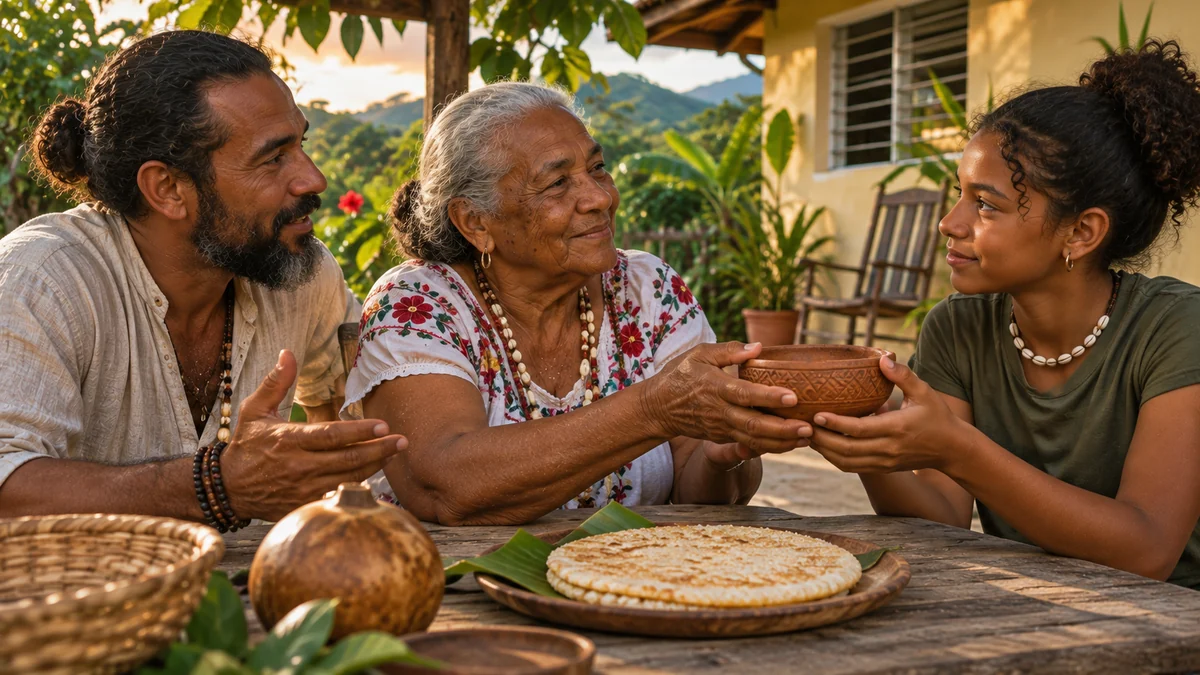
The Taíno are not merely a chapter of the past. This article explores their descendants’ survival, contemporary identity, and the right to tell their own history.
Read article
How did Columbus become a national and cultural hero? Holidays, monuments, and school narratives reveal how his historical myth was constructed.
Read article
The language you speak at home and at school, family traditions, belonging, and the courage to be yourself without rejecting others.
Read article
What was useful about traditional ways of dividing up work—and when did they shut people out for no good reason?
Read article
You don't have to live the way your grandparents did to learn something they know that no one else may be able to show you.
Read article
Gregorčič’s To the Soča praised the river’s beauty in 1879 and warned of a future storm from the south. When a front actually opened along the Soča in 1915, the poem acquired a prophetic reputation. This article separates the original poem, its political context, and later historical memory.
Read article
Slovene and Sanskrit are not in a mother–daughter relationship, but they are genuinely and deeply related: both belong to the Indo-European family and preserve traces of shared vocabulary, grammar, and even the dual number.
Read article
In La Légende des siècles, Victor Hugo built a poetic mosaic of humanity from history, legend, war, conscience, mercy and visions of the future, tracing a difficult movement from darkness toward liberty and light.
Read article
From More’s Utopia to Black Mirror: how literature, film and television invent alternative societies to test the ideals, power structures, technologies and fears of their own time.
Read article
What do the data support about memories of work, school, healthcare, housing and social security in Yugoslavia — and where does nostalgia need correction?
Read article
Why do many older buildings feel rich in scale, rhythm, and detail while contemporary construction often appears repetitive and impersonal?
Read article
A circle, cross, tree, star, or color does not necessarily have one eternal meaning. A symbol works when people recognize it and use it within a shared system.
Read article
Stars do not draw heroes, animals, or deities by themselves. People connect points, name patterns, and assign meaning, allowing one sky to become calendar, compass, memory, and story.
Read article
The recurring sky was among humanity’s earliest references for time and direction. From Sopdet and Maya cycles to Polaris and Pacific wayfinding, people learned to turn celestial patterns into calendar and compass.
Read article
The same stars do not necessarily create the same cultural sky. Matariki, Chinese asterisms, and the Emu in the Sky show how traditions organize a shared physical world.
Read article