

Karma: Action, Consequence, Intention and Free Will
Across Indian traditions, karma is not one formula but several models of action, intention, consequence, rebirth and freedom.
Read articleShorter entry points into the questions explored across THY-REALITY. Browse by field or search directly by title and description.
Across Indian traditions, karma is not one formula but several models of action, intention, consequence, rebirth and freedom.
Read article
Information is not yet knowledge, knowledge is not yet judgment, and judgment is not yet wisdom. Aristotle, the Stoics and modern psychology show how to move an idea from the page into action, feedback and responsibility.
Read article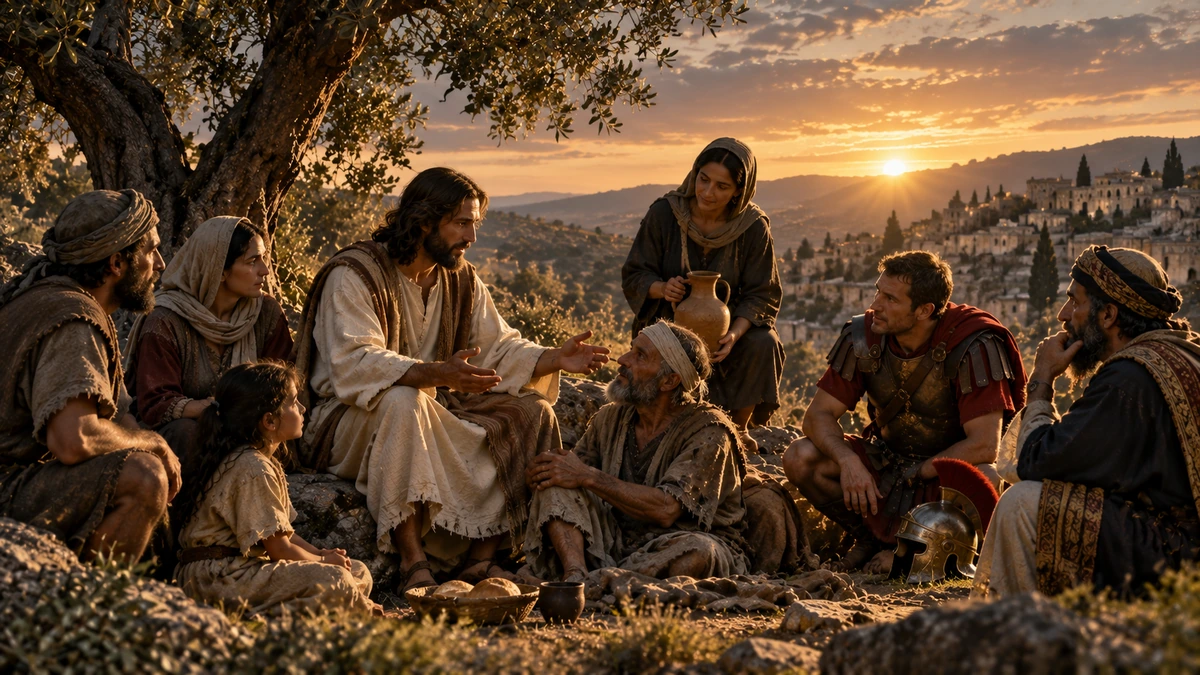
A comparison of where Jesus’ teachings clearly align with Natural Law, where they align only partly because the foundations differ, and where the comparison reaches its limits.
Read article
Buddhism teaches universal ethical restraints, karmic causation, and compassion for all beings. Is this a form of Natural Law—or a similar moral order grounded in a different metaphysics?
Read article
Patañjali calls the yamas a universal great vow. Is this an Indian version of Natural Law—or a significant resemblance between two distinct ethical and metaphysical systems?
Read article
Cannabis is not good because it is natural, nor wrong because law prohibits it. What can Natural Law tell us about private use, harm to others, bodily autonomy and the legitimate limits of state coercion?
Read article
Do our brains decide before we do, does randomness rescue freedom, and what does “could have chosen otherwise” actually mean? A guide to determinism, compatibilism, Libet-style experiments, and practical self-government without premature conclusions.
Read article
What should follow serious harm? This article separates restitution and broader repair, protection against repetition, deterrence and punishment, and draws a boundary between accountability and revenge.
Read article
A community does not need one religion, philosophy, or political identity. It needs enough of a shared ethical core for different people to live freely, fairly, and responsibly with one another.
Read article
Voluntary cooperation does not require everyone to contribute equally, but it does require a fair relationship among benefit, capacity and responsibility.
Read article
Measurement helps us see patterns, but indicators can also reshape behavior, allocate power and determine what counts as reality. This article shows how to measure without mistaking the map for the territory.
Read article
Shared resources do not necessarily need one owner or one central manager. They need clear boundaries, fair rules, visible responsibility and people who can participate in governing them.
Read article
It is not enough to ask whether an institution is necessary. The deeper question is what it must be like to deserve our support: just, limited, accountable, close to people, and directed toward serving the community.
Read article
Benefiting from a common system may create a moral obligation not to live at the expense of others. But does that also create a general duty to obey authority?
Read article
“Do not steal” is a powerful moral rule, but theft already assumes an answer to what legitimately belongs to whom. “Do Not Steal” as a Concise Principle of Natural Law examines property, necessity, taxation, conscience, and the limits of the concept itself.
Read article
Physical force can be used to attack or to stop an attack. Force and Violence Are Not the Same Thing separates description from moral judgment and examines necessity, proportionality, purpose, and the boundary between defense and retaliation.
Read article
What we do can change the world around us and our future options, but consequences are not a cosmic system of rewards and punishments. Responsibility requires distinguishing cause, risk, foreseeability, and circumstance.
Read article
When an order-giver, an operator, an organization, and coercive circumstances all contribute to the same act, responsibility does not disappear — but it is not necessarily distributed equally.
Read article
Many systems could not function without authority. But an order cannot think in place of the person who carries it out: when is obedience reasonable, and when must moral judgment intervene?
Read article
Discovering that we were wrong does not mean that we have corrected the error. What changes when new understanding is carried into decisions, acknowledgment, and action?
Read article
An inner compass is not an infallible inner voice. It is the disciplined capacity to connect facts, emotions, values, conscience, consequences, and responsibility — without outsourcing moral judgment to impulse, the crowd, or authority.
Read article
What connects freedom and responsibility? Explore choice, control, knowledge and consequences—and why mature agency requires an accountable relationship to our actions.
Read article
Natural law is not a law of physics, a state statute, or the claim that whatever is natural is good. Explore the tradition and how THY-REALITY uses the concept.
Read article
What does it mean to be free in a world where actions have consequences? We explore natural law, choice, responsibility, and real limits.
Read articlePage 2 of 2