
Knowledge library

Articles for independent inquiry.

Shorter entry points into the questions explored across THY-REALITY. Browse by field or search directly by title and description.

Hands above documents, labels, and a globe symbolize institutional classification of information before an audience.
SeriesMedia

Who Decides What Is True?

Fact-checkers, platforms, and algorithms can correct errors, but labels, editorial judgments, and distribution decisions are not the same thing as truth.

Read article


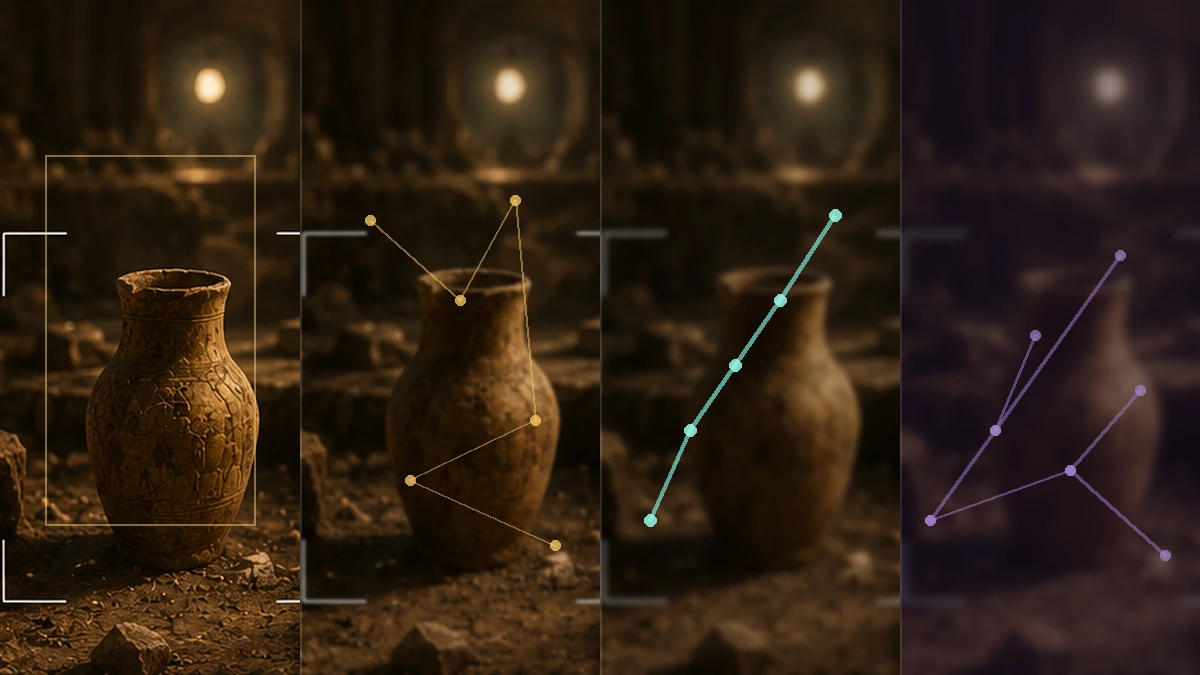
A researcher examines an archaeological find as separate translucent layers develop from the direct object and documentation into historical, astronomical and symbolic interpretation.

Where Does Fact End and Interpretation Begin?

A practical method for distinguishing traces, observation, measurement, sources, reconstruction, interpretation, hypotheses and speculation—without pretending human inference can be eliminated.

Read article
A person uses an advanced system as an advisory tool while retaining independent judgment before the final decision — symbolising the boundary between AI assistance and transferred authority.

Artificial Intelligence: Tool, Adviser or New Authority?

When does AI support judgment, and when does its recommendation become the de facto decision? This article separates tool, adviser and authority, then defines boundaries for human oversight, challenge and accountability.

Read article
A symmetrical table with equal parties, a shared case file, a neutral seat and scales within a protective frame — symbolising access to evidence, impartiality, equality of parties and procedural safeguards.

Fair Procedure Without an Assumed Monopoly

How do we separate fair procedure from the question of who decides? This article builds safeguards for notice, evidence, equality, impartiality, reasons and review without tying justice to a single forum.

Read article
Does Consent Legitimize Authority?

Does Consent Legitimize Authority?

Consent can change the moral relationship between people. But does living in a country, using public services, voting, or failing to emigrate really amount to consent to political authority?

Read article
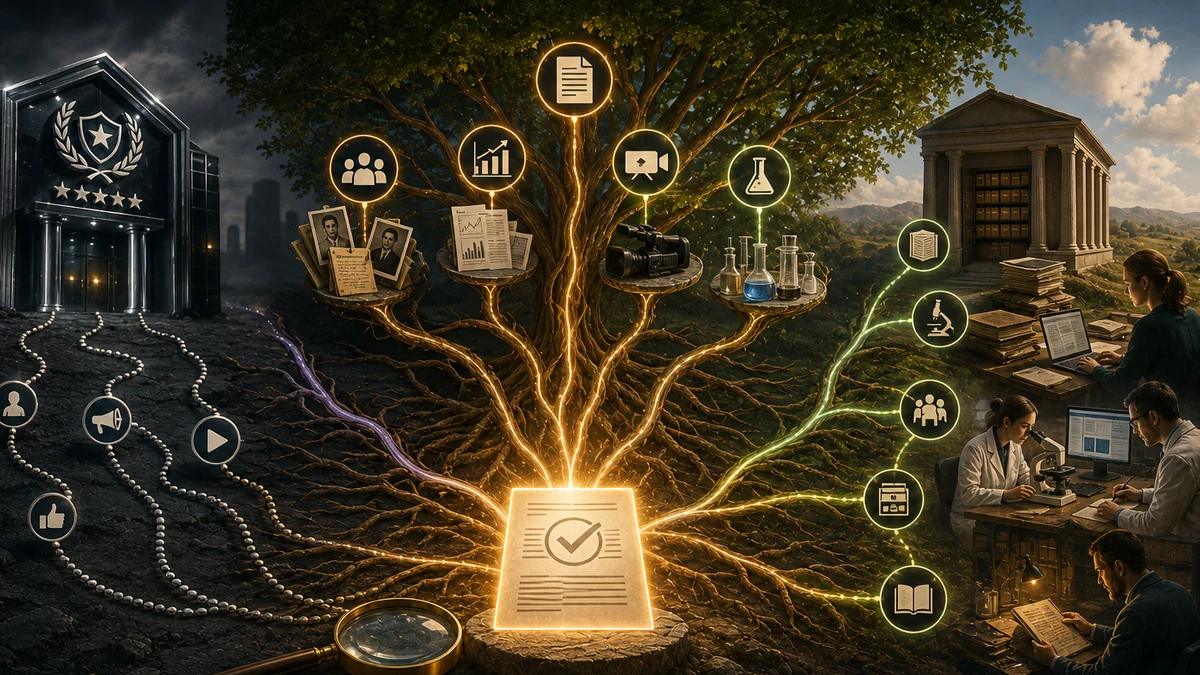
A branching information tree connects a central document with archives, laboratories, data and different kinds of sources; some paths share one root while others lead to independent verification.

How to Evaluate a Source

A prestigious source can be wrong and an unknown source can be right. Evaluate sources by authorship, relevant expertise, traceability, creation process, evidence, independence, and transparency.

Read article
A magnifying lens over a field of information represents the move from belief to evidence checking.

From Belief to Verification

Strong belief is not the same as good evidence. Learn how to separate claims, sources, evidence, and interpretation — and how to adjust confidence to the evidence.

Read article