
Knowledge library

Articles for independent inquiry.

Shorter entry points into the questions explored across THY-REALITY. Browse by field or search directly by title and description.

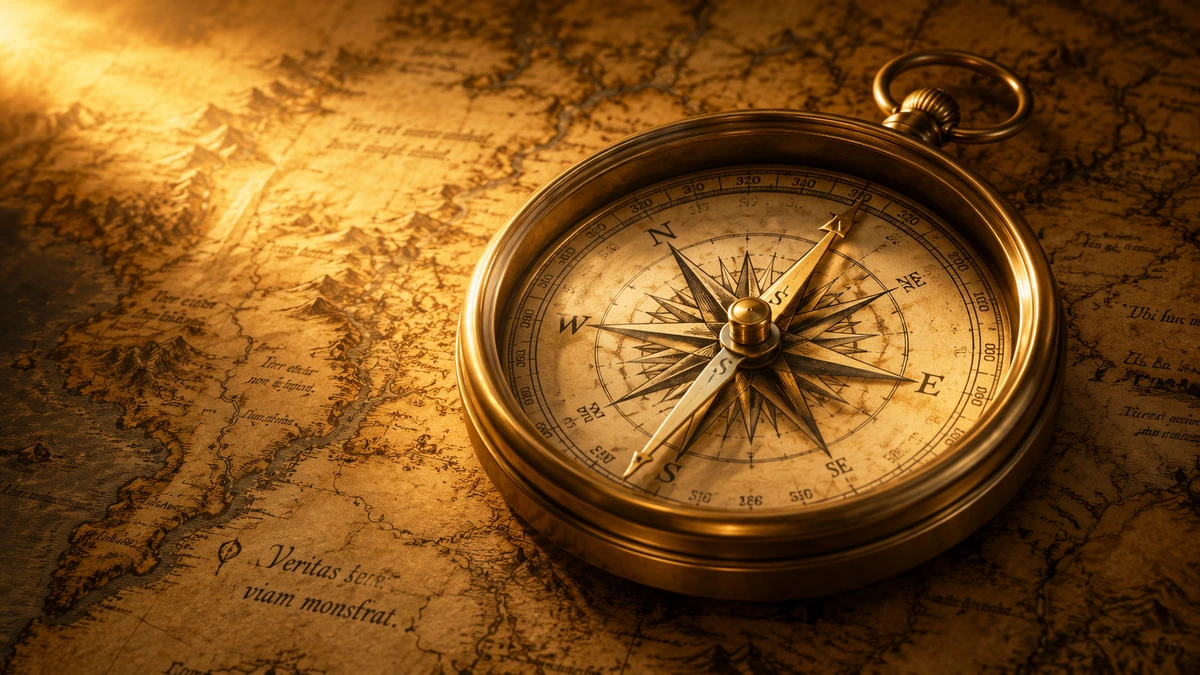
An antique compass on a forest path in morning light, symbolizing orientation among alternatives and deliberate choice.

The Inner Compass and Clear Choice

An inner compass is not an infallible inner voice. It is the disciplined capacity to connect facts, emotions, values, conscience, consequences, and responsibility — without outsourcing moral judgment to impulse, the crowd, or authority.

Read article


A person facing a cosmic mirror, symbolizing the gap between what we notice about ourselves and what may remain outside our immediate awareness.

How to Recognize Your Own Blind Spots

We quickly notice interests, emotions, and biases in other people. In ourselves, we often feel that we simply see things as they are. How can we test our own judgment too?

Read article
An ancient narrative figure and a star map intertwine within a blue-and-gold cultural landscape.

Myths as Cultural Maps

A myth is not reliable history merely because it is old, and it is not worthless merely because it is not a literal report. It can function as a map of values, relationships and a community’s way of understanding the world.

Read article
An astrolabe, map, and open landscape represent different models of the same reality.

One Reality, Many Maps

The same reality can require multiple maps and models. Explore the difference between territory and representation, the role of purpose and idealization, and why model plurality is not relativism.

Read article
A tree, scales, and celestial cycles represent order, consequences, and balance in natural processes.

What Is Natural Law?

Natural law is not a law of physics, a state statute, or the claim that whatever is natural is good. Explore the tradition and how THY-REALITY uses the concept.

Read article
A magnifying lens over a field of information represents the move from belief to evidence checking.

From Belief to Verification

Strong belief is not the same as good evidence. Learn how to separate claims, sources, evidence, and interpretation — and how to adjust confidence to the evidence.

Read article
A conceptual view of the difference between perception and reality through different optical layers.

Perception Is Not the Same as Reality

Perception is our first point of contact with reality, but not a perfect copy of it. How can we separate perception, interpretation, and what we can verify?

Read article

Page 2 of 2