
Which Lives Do We See? — Media, Empathy and the “International Community”
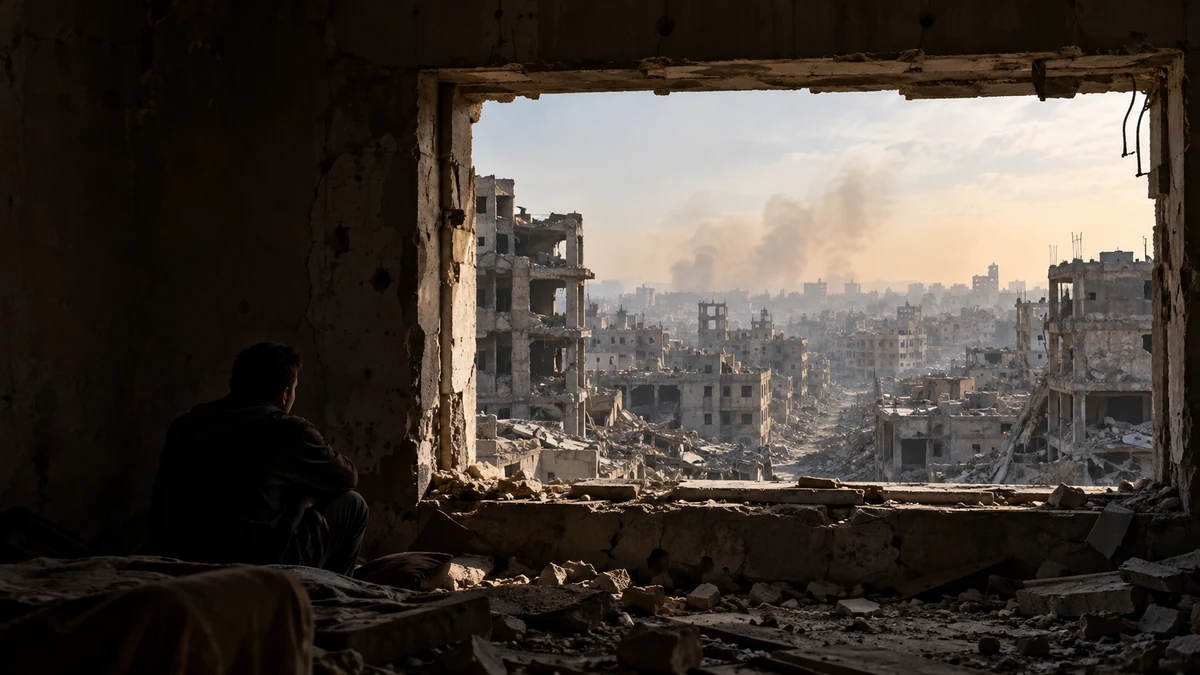
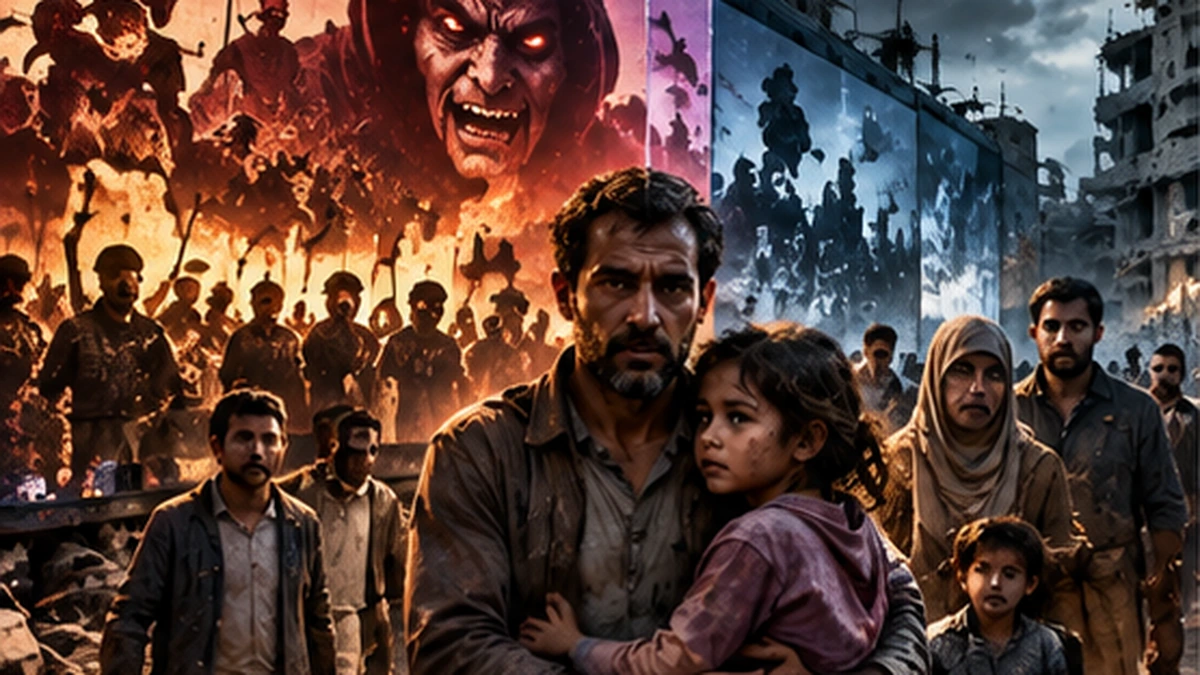
Why do some humanitarian crises receive more attention than others? We compare refugee coverage, war reporting, and selective political empathy.
Read articleShorter entry points into the questions explored across THY-REALITY. Browse by field or search directly by title and description.

Why do some humanitarian crises receive more attention than others? We compare refugee coverage, war reporting, and selective political empathy.
Read article

How a headline can remove a qualification, turn association into causation, or increase certainty and present a stronger claim than the article supports.
Read article
From predictions of rapid Russian collapse to Snake Island and casualties: how sourcing, uncertainty, and headlines can turn wartime claims into apparent facts.
Read article
What Slovenian media emphasized during the epidemic, how claims changed, and when reporting moved from informing toward moralizing and behavioural pressure.
Read article
Why negativity, records, shocking images, and relative risk attract attention, and how journalism can become an industry of anxiety.
Read article
How narrative starting points, language, victims, sources, and legal terms shape the permissible media image of the war between Israel and Gaza.
Read article
From mass war propaganda to Tonkin and Iraq: how uncertainty, source selection, and political framing can help manufacture public consent for war.
Read article
How gatekeeping, framing, sources, ownership, and algorithms determine which part of reality becomes news and what picture of the world audiences receive.
Read article
War propaganda, dehumanization, “atrocity stories,” and the creation of public support for conflict
Read article
Agenda-setting, framing, repetition, propaganda, and the boundary between informing and steering
Read article
Why do some issues become the center of public attention? Agenda-setting explains how media selection and prominence can shape which questions people perceive as important.
Read article