
Ritual Abuse: Between Testimonies, Evidence, and Theories
When violence takes place behind closed doors, establishing the truth is difficult enough.
Read articleShorter entry points into the questions explored across THY-REALITY. Browse by field or search directly by title and description.
When violence takes place behind closed doors, establishing the truth is difficult enough.
Read article
Belonging sometimes begins with a signed application; at other times, it begins with a ceremony, a promise, or a trial whose full meaning is understood only by those present.
Read article
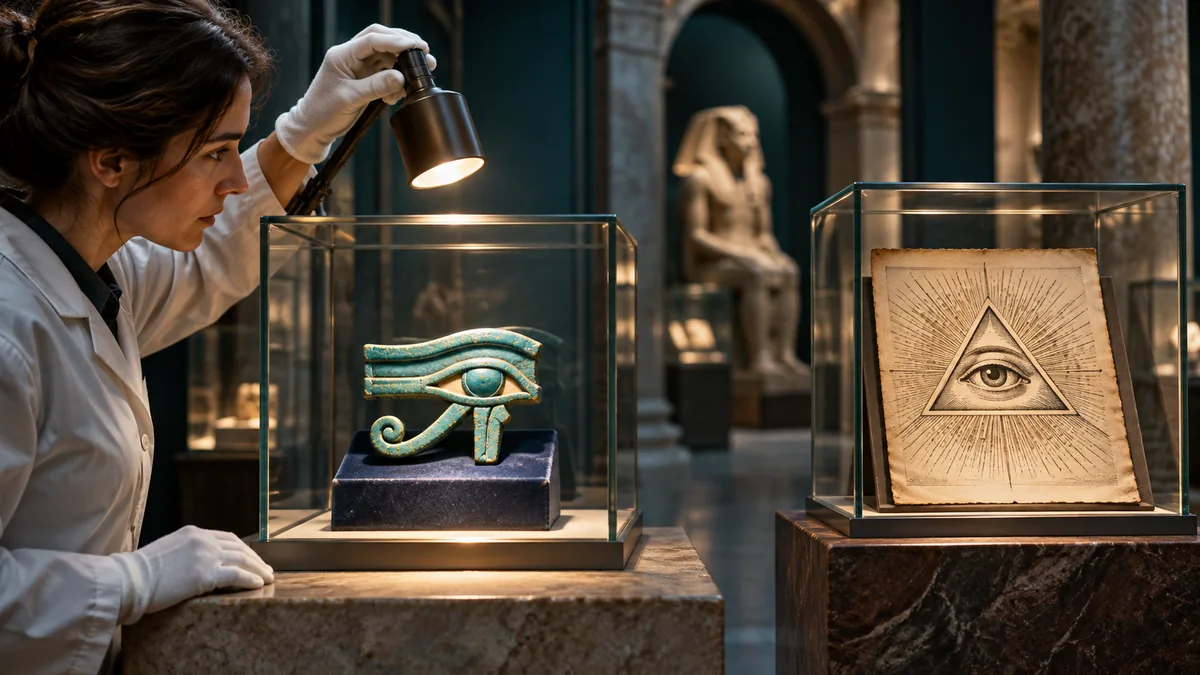
An unfinished pyramid topped by a hovering eye appears on the American one-dollar bill. In an Egyptian collection, we may encounter another eye, fashioned as an amulet.
Read article
In September 1934, the Nazi newspaper Völkischer Beobachter reported on Wewelsburg, a castle in Westphalia intended to become a place of ideological formation for leading members of the SS.
Read article
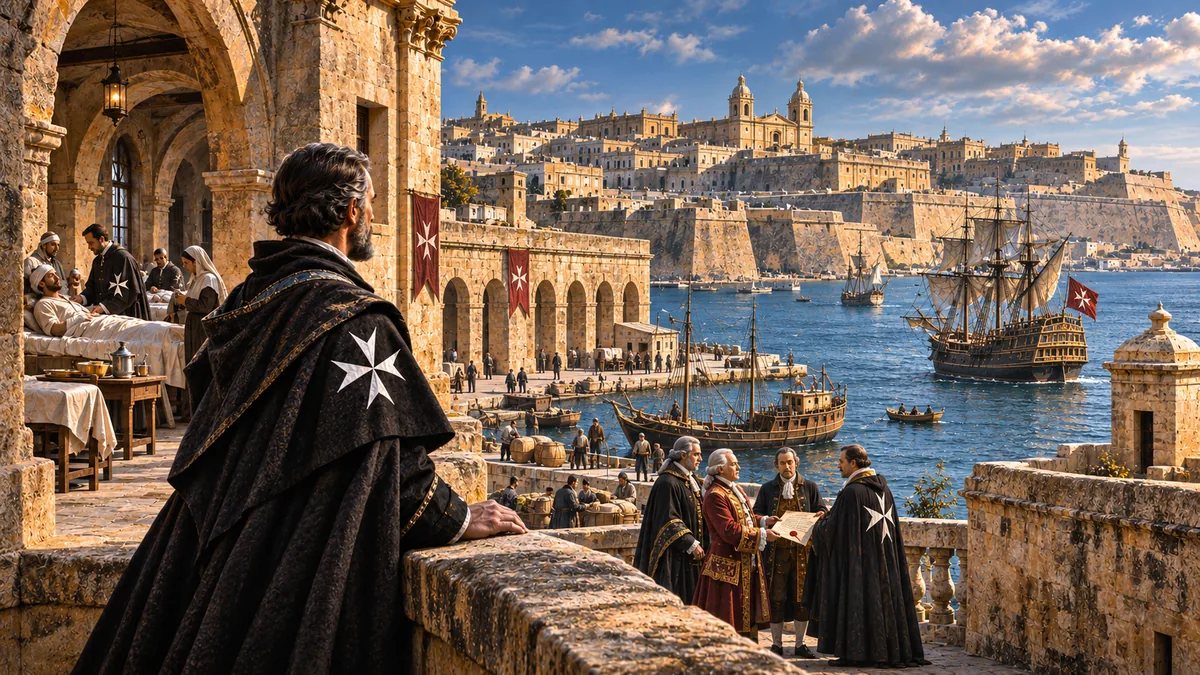
The Order of Malta is an unusual historical example of an institution that lost the territory it once ruled yet retained its own leadership, diplomatic representations, and a distinctive position in international relations.
Read article
Opus Dei is an organization whose name frequently appears in discussions of Catholic faith, political elites, demanding personal ways of life, and concealed networks of influence.
Read article
Imagine a person who is neither a minister nor a general nor a relative of the king, yet whom the ruler receives for conversations in which questions of conscience are intertwined with responsibility for the state.
Read article
In London at the end of the nineteenth century, people studied secret rituals, adopted new names and progressed through degrees whose meanings were known only to initiates.
Read article
Can an international association founded to seek wisdom and human fellowship also believe that its work is guided by teachers whose identities cannot be publicly verified?
Read article
Who belonged to the brotherhood that, in the early seventeenth century, promised European scholars a renewal of knowledge, religion and society, yet offered its contemporaries no verifiable list of members?
Read article
Who decides which knowledge is available to everyone and which is reserved for a select few? Throughout the history of religion and philosophy, we repeatedly encounter the idea that deeper understanding cannot be reached simply by reading books: a person also needs inner preparation, a teacher, or a particular experience.
Read article
The Great Work links furnaces, metals, colour stages, the philosopher’s stone, spiritual alchemy and Jungian individuation. What is historical and what is later psychological interpretation?
Read article
Walt Disney was a documented DeMolay member, but Disney archives state that he was not a Freemason. This article separates that historical connection from Fantasia’s magical symbolism, Club 33, and later occult interpretations.
Read article
James Webb treated occultism as “rejected knowledge” and followed its paths from Spiritualism and Theosophy into art, politics, and counterculture; this article compares his pioneering synthesis with later scholarship on Western esotericism.
Read article
From the Watchers of Enoch to the modern occult theory of a collective psychic formation: how the meaning of the egregore gradually changed through the nineteenth and twentieth centuries.
Read article
How did Saturnian symbolism develop from Rome to modern esotericism — and why should links among the Sabbath, sevenfold symbolism, the cube, Kaaba, tefillin and Saturn be treated as an open hypothesis rather than either proven fact or a closed case?
Read article
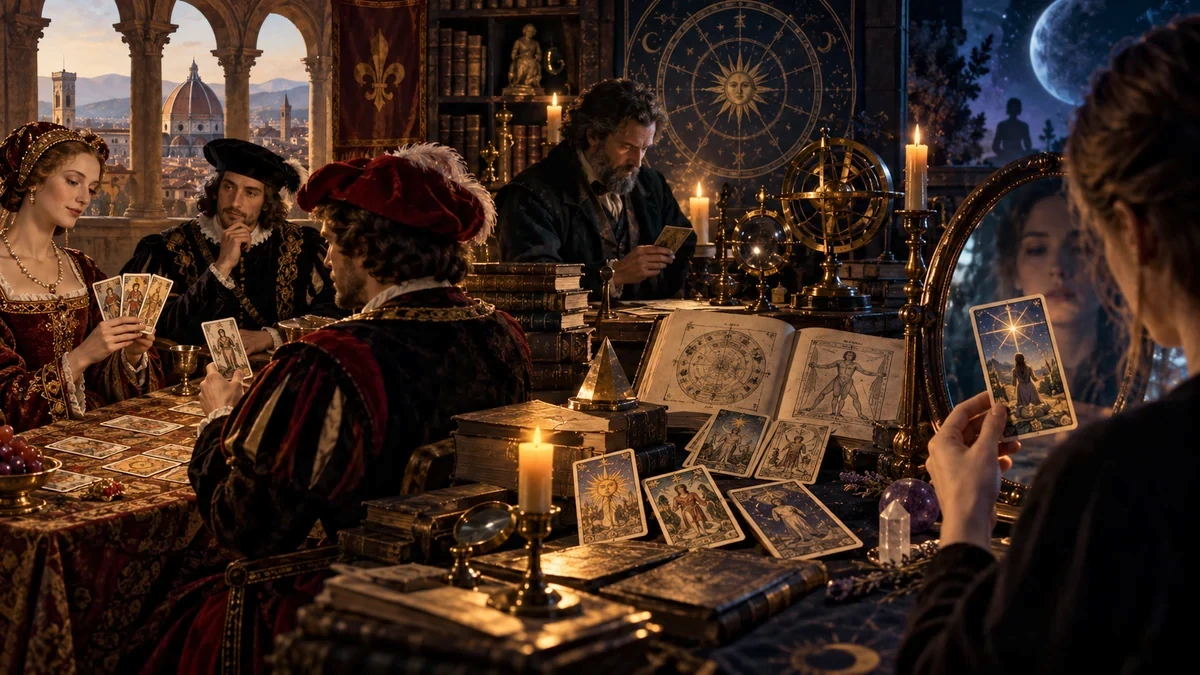
How did a northern Italian Renaissance trump game become an occult and psychological symbolic system through Court de Gébelin, Etteilla, Éliphas Lévi, the Golden Dawn and Rider-Waite-Smith?
Read article
Three anonymous texts from 1614–1616 triggered a European Rosicrucian ‘furore’. What in the story of Christian Rosenkreuz is documented history, what is literary programme, and when did real organisations emerge from the myth?
Read article