
Who Decides What Is True?
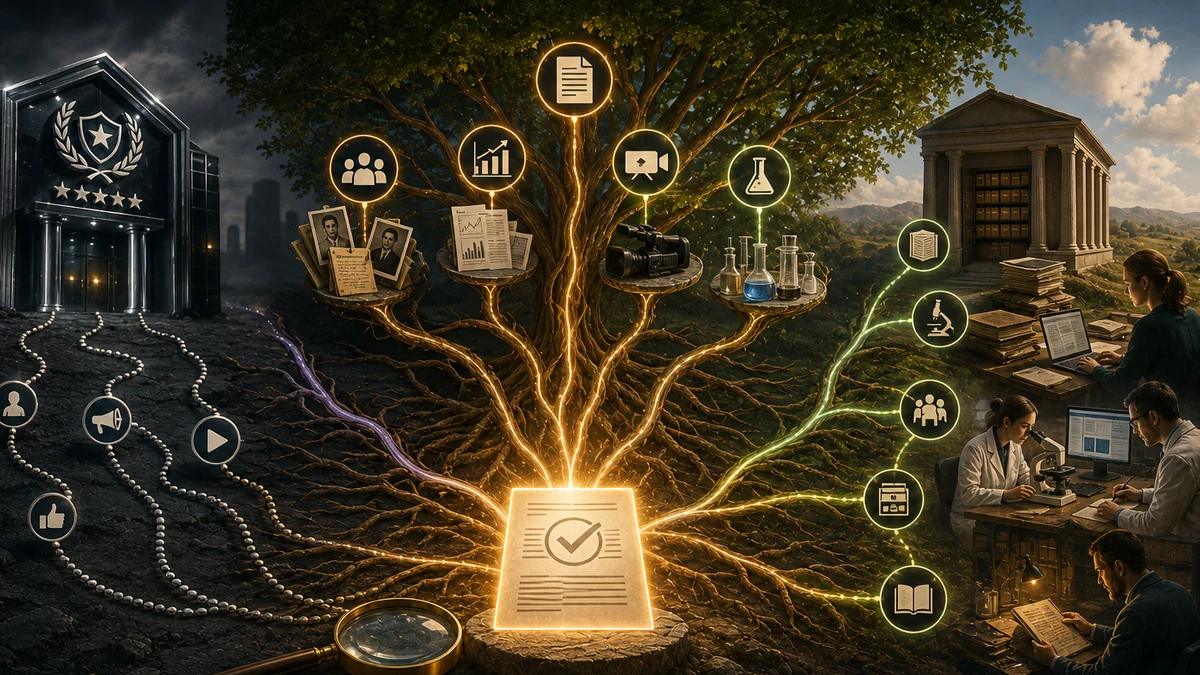
Fact-checkers, platforms, and algorithms can correct errors, but labels, editorial judgments, and distribution decisions are not the same thing as truth.
Read articleShorter entry points into the questions explored across THY-REALITY. Browse by field or search directly by title and description.

Fact-checkers, platforms, and algorithms can correct errors, but labels, editorial judgments, and distribution decisions are not the same thing as truth.
Read article

How a headline can remove a qualification, turn association into causation, or increase certainty and present a stronger claim than the article supports.
Read article
Probability, calibration, decision-making without complete knowledge, and the ability to change our minds
Read article
Proof, indications, probability, statistical significance, causation, testimony, and degrees of certainty
Read article
Conspiracy theories, real conspiracies, pattern-seeking, and self-sealing explanations of the world
Read article
Authority, evidence, belonging, and the psychology of belief
Read article
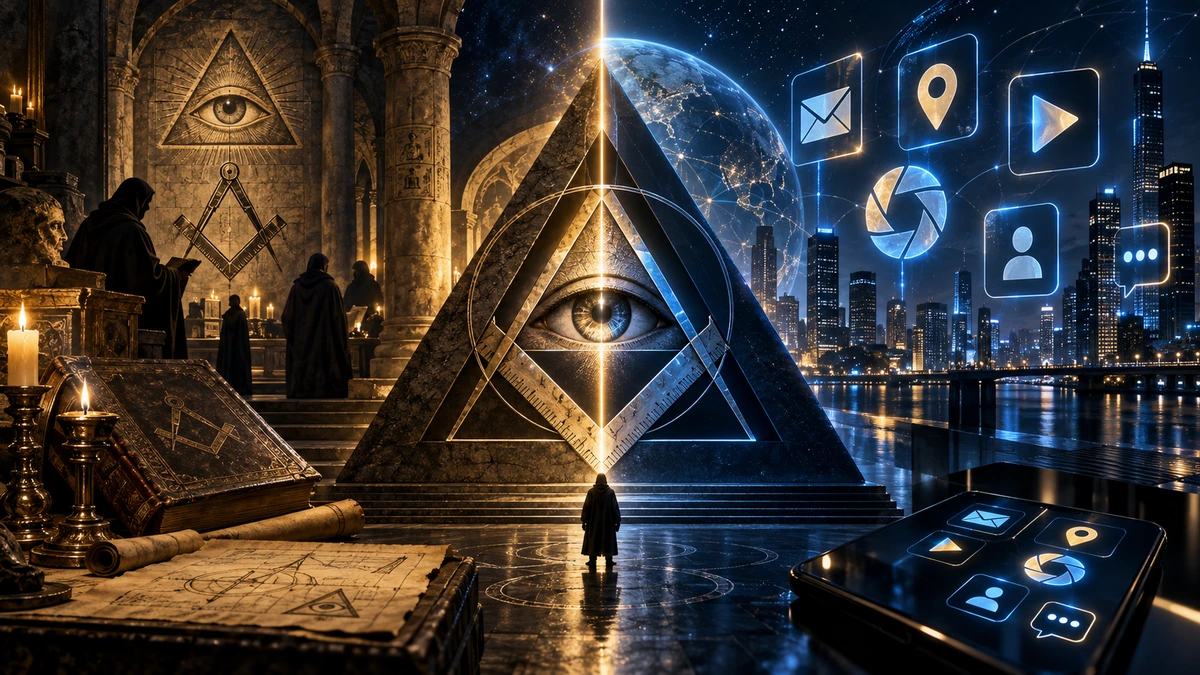
Some modern logos and older ritual emblems are not merely vaguely similar: they share strikingly close silhouettes or internal geometry.
Read article
Humans are measurably bioelectric and biomagnetic organisms. But ECG, EEG, MEG, cellular voltages and wound electric fields do not by themselves show that an aura, qi or a therapeutic biofield is the same physical category.
Read article
Causality is not a hidden label that can be read directly from data. This article separates correlation, temporal order, common causes, counterfactuals, interventions, mechanisms, and study designs used to build a causal inference.
Read article
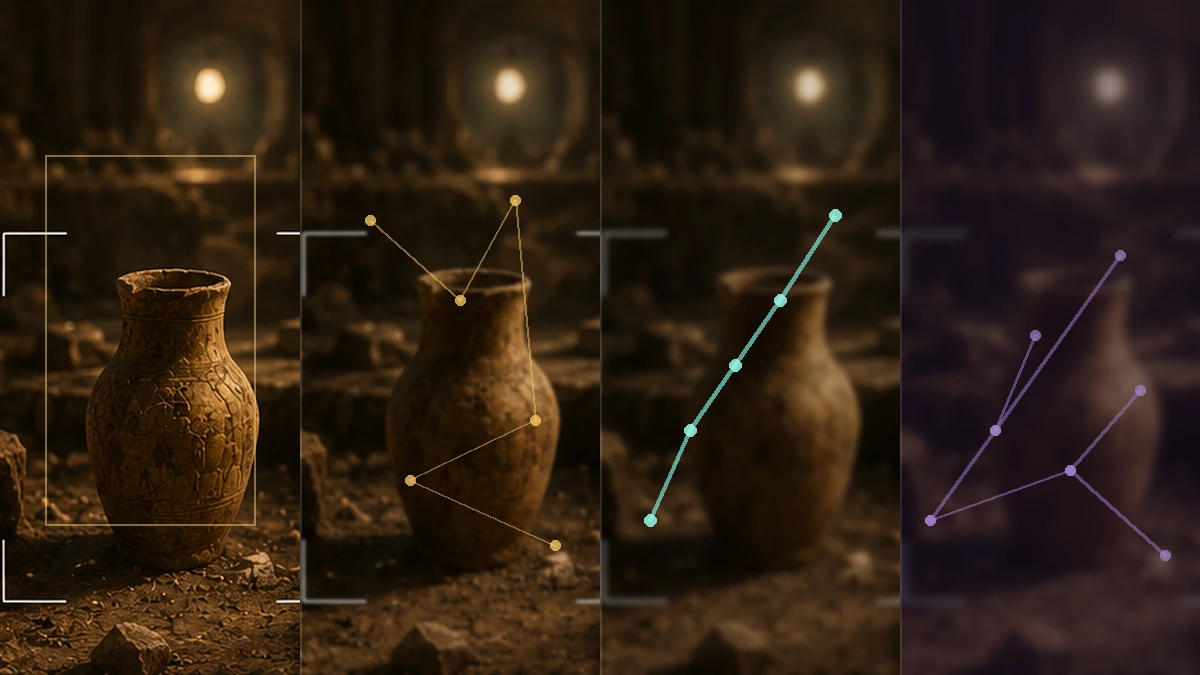
A practical method for distinguishing traces, observation, measurement, sources, reconstruction, interpretation, hypotheses and speculation—without pretending human inference can be eliminated.
Read article
An epistemological map distinguishes belief, knowledge, evidential strength, probability, trust in sources and certainty, showing why good knowledge is not the same as feeling infallible.
Read article
A prestigious source can be wrong and an unknown source can be right. Evaluate sources by authorship, relevant expertise, traceability, creation process, evidence, independence, and transparency.
Read article
An open mind does not mean accepting every claim, and skepticism does not mean rejecting everything in advance. How can we apply the same standards in both directions?
Read article
We observe an event and almost immediately assign it meaning. How can we separate what we know from what we infer, test, or merely imagine for now?
Read article