How Can I Take Care of My Health, Hygiene, Sleep and Physical Activity?
Find a workable balance between sleep, exercise, hygiene and everyday responsibilities without chasing unrealistic perfection.
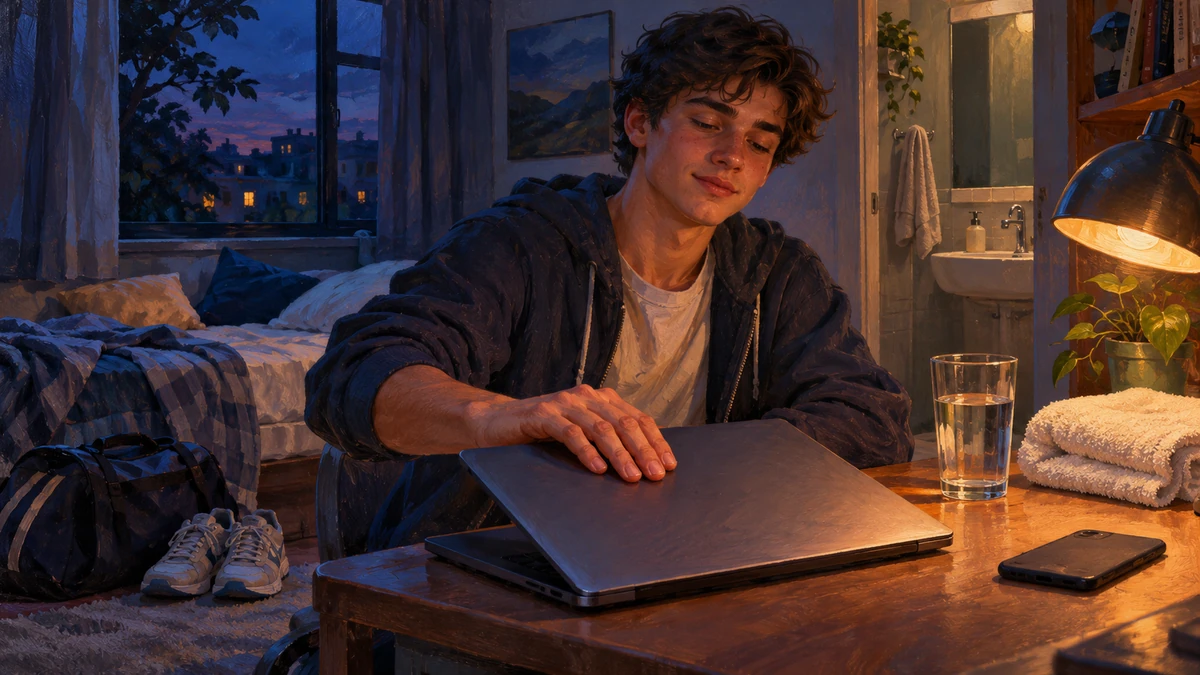
It's nearly eleven at night. You have to get up early tomorrow, your homework isn't finished yet, and your friends are making weekend plans in a group chat. You wish you had more energy. Meanwhile, you keep hearing that you should exercise every day, eat only healthy food and stick to a schedule. Who has time for all that? Being told to “get organised” isn't much help.
Maybe you've tried to do everything right for a few days. Then a test, a family visit or a night of poor sleep comes along. Your plan falls apart, and you feel like giving up. But looking after your health isn't a competition where one bad day means you've lost.
My advice: don't try to change everything overnight. First, try to find out what's making you so tired. Not getting enough sleep? Start with your evenings. Spending a lot of time sitting down? Find a way to move that you enjoy and that is safe for you. Remember the basics too: food, water, clean hands, healthy teeth and time to rest. If you have a health condition or things are difficult at home, change the plan to fit your situation and ask for help. Taking care of yourself means making sensible choices with what you have — not being perfect.
What You Do Tonight Can Affect Tomorrow
The following scene is fictional. Sixteen-year-old Maja has to catch a bus at 6.45 a.m. Her alarm goes off at 6.15. At 9.30 p.m., she's still finishing a group assignment with her classmates. Once the assignment is done, they start sharing photos and making plans for Saturday. Maja decides to read just a few more messages.
“Aren't you up earlier than all of us?” her older brother asks as he comes in for a glass of water.
“I'll have an energy drink tomorrow,” she replies. “I haven't got time to sleep yet.”
“Is it that you haven't got time, or that you don't want to miss the conversation?” he asks. Maja thinks about it. The assignment is already finished and handed in. What really worries her is that everyone else will make plans without her.
Her mum suggests, “Get your things ready for tomorrow. Tell your friends you'll check the plans for Saturday in the morning. Then put your phone down. If there's still something urgent for school, we can work out together how to get it done.”
Maja writes: “We've finished the assignment. I'll check the plans for Saturday tomorrow morning. Goodnight!” Someone sends back a smiley face. Another classmate wonders why she's going to bed so early. Maja doesn't need to explain any further.
She checks the time. If she doesn't fall asleep until midnight, she'll get just over six hours of sleep before her alarm goes off. If she falls asleep around ten, she'll have just over eight hours. Of course, getting into bed at ten doesn't mean falling asleep straight away; she needs time to wind down. But tonight she can take one small step: she can choose not to watch the next video.
Sleep isn't just about feeling less sleepy the next day. It helps you concentrate, learn and remember things, and affects how you feel. According to Slovenia's National Institute of Public Health (NIJZ), young people aged 14–17 generally need around 8–10 hours of sleep, while children aged 6–13 need 9–11 hours. These are recommendations for age groups, not rules saying everyone must fall asleep at the same time. The quality of your sleep and a regular sleep routine matter too. [1]
What could you try tonight? If you usually go to bed late, try going to bed a little earlier, step by step. For example, NIJZ suggests moving bedtime by about 15 minutes every few days. Try spending roughly half an hour before bed winding down without a screen. Pack your schoolbag. If you use your phone as an alarm, silence notifications at night or leave it out of reach. And if worries are keeping you awake, talk to someone about them. [1]
But a difficult morning isn't always the result of a bad habit. Maybe you have a long journey to school, help out at home or share a room with a younger child. You can't simply cancel every responsibility. Talk to your parents, carers or another adult about how you could make more time for sleep. It isn't fair to demand enough rest without helping someone make time for it.
Energy in a Can Isn't the Same as Rest
When you're tired, an energy drink can look like a quick fix. But it isn't an ordinary drink for when you're thirsty. It may contain a lot of caffeine and other stimulants. Even a sugar-free energy drink can contain caffeine. That's why NIJZ recommends that children and teenagers avoid energy drinks. [2]
Don't try to solve tiredness with an energy drink. An energy drink could keep you up even later, leaving you reaching for another can the next day. Ask yourself instead: Why am I running out of time for sleep? Schoolwork? My phone? Worries? Chores at home? Once you know what is getting in the way, you can talk about what needs to change.
If you're often exhausted even though you have enough time to sleep, don't assume you're lazy. Tell an adult you trust and speak to a healthcare professional. Persistent tiredness won't necessarily go away because you choose a different drink or make yourself follow a stricter timetable. [3]
You Don't Have to Be an Athlete to Enjoy Moving
Seventeen-year-old Vid is reluctant to join the basketball games after school. His friends are fast and he struggles to keep up. “Just practise and you won't be so slow,” someone remarks. Another person laughs. Vid pretends he isn't bothered. Next time, he stays away.
Vid's story is fictional too. When he tells a sports coach what happened, he realises there are more choices than keeping up with everyone straight away or giving up exercise altogether. The coach asks what he likes doing. Vid says he enjoys cycling.
“That sounds like a good place to start,” the coach says. “Choose a short, safe route and go at a pace that suits you. If you'd rather have company, invite a friend who won't push you to go faster.”
“What about basketball? I'll only embarrass myself again,” Vid replies.
“We'll talk about the teasing,” the coach replies. “Nobody has the right to humiliate other people on the court. If you want to come back to basketball, you can take it one step at a time. Or you can find something else you enjoy.”
One bike ride won't turn Vid into a great athlete. But he learns something useful: being active isn't just for the fastest people. Walking, cycling, dancing, swimming, ball games and walking or cycling to school can all be worthwhile. You don't have to compete with anyone.
For children and teenagers aged 5–17, guidelines recommend at least 60 minutes of moderate-to-vigorous physical activity a day on average across the week. On at least three days a week, they also recommend vigorous activities and movement that strengthens muscles and bones. You don't have to do it all in one session. During moderate activity, such as brisk walking, you breathe a little harder but can still talk. A slow walk or gentle stretching can be a good start, though it isn't necessarily the same as moderate-intensity exercise. [4]
Does an hour of activity sound like too much? First, think about how much you already move. Perhaps you walk part of the way to school, dance or play outside. You don't need expensive equipment or a device to count every minute. If you sit for much of the day, begin with a short activity that is safe for you. Then build up gradually. Some movement is better than none. When you're studying, stand up and move around now and then. [4]
Safety comes first. Don't cycle on a dangerous road just to reach a recommended number of minutes. If you're injured, have severe pain or live with a health condition, adjust the activity and ask a professional for advice when needed. If people insult or mock you during sport, tell a teacher or another adult you trust. You don't have to improve at sport before you deserve respect. Your worth doesn't depend on your fitness.
Clean Hands and Healthy Teeth Aren't Just About How You Look
When you think about health, you might first picture sport, special diets or new equipment. But ordinary habits that barely get noticed can make a real difference too.
Wash your hands with soap and water before eating and after using the toilet. Work up a lather and rub your hands for at least 20 seconds, including between your fingers, the backs of your hands and around your nails. Then rinse and dry them. Wash your hands after blowing your nose and whenever they're dirty. Ordinary soap is enough. If soap and water aren't available, a hand sanitiser containing at least 60% alcohol can be useful, but it isn't an equal substitute when your hands are visibly dirty. [5]
Brush your teeth at least twice a day, for about two minutes, using fluoride toothpaste. Brushing before bed is especially important. Clean every tooth surface and the spaces between your teeth, and follow your dentist's advice. Spit out the toothpaste afterwards, but don't rinse your mouth with water straight away: that washes away some of the protective fluoride. [6]
This isn't about getting a perfect smile for a photo. It's about healthy teeth and gums, being able to chew comfortably and preventing pain. If you have problems even though you brush regularly, see a dentist. Having dental problems doesn't make you worth less than someone with healthy teeth.
After sport or heavy sweating, wash and change into dry, clean clothes when you can. If you're rushing for the bus after training, even changing a damp shirt or socks can help. Sweating is a normal part of how the body works. It's nothing to be ashamed of. How often you need to shower can vary. And if you don't have proper facilities or supplies at home, what you need is support, not mockery. Good hygiene shouldn't turn into an excessive fear of every bit of dirt.
What Can You Eat Without a Perfect Meal Plan?
Food is about much more than body weight. As you grow, food supports your growth, concentration, movement and everyday life. You don't need expensive products marked “fit” or to weigh every mouthful.
Try to eat regularly, choose a variety of foods and keep water available when you can. When you can, choose different kinds of food: fruit, vegetables, grains, pulses, other sources of protein and suitable fats. If you have a long school day, think ahead about when you can eat. Water is a good everyday choice when you're thirsty. But every meal doesn't have to look like a picture in an advert. [7]
Not everyone has the same choices at home. One person has to catch an early bus, another relies on school meals, and someone else's family has very little money for food. It's better to ask “What do we have available?” than to criticise someone. Perhaps you can prepare some bread with a spread, a piece of fruit or something else that suits you the night before. If you don't feel hungry first thing in the morning, check when you can eat at school; you don't have to force yourself to eat a huge breakfast. School meals can be an important source of support. [7] If food makes you very anxious, if you're afraid to eat or if you skip meals because of worries about your weight, don't start a strict diet on your own. Tell an adult you trust and seek professional help together.
People have different needs as they grow, especially if they have allergies or illnesses. So I'm not going to give everyone the same calorie target or number of litres of water. The aim is to look after the body you have, not chase a perfect body.
Rest Isn't a Reward You Have to Earn
Sometimes you might feel that every minute has to be productive. If you're not training, you should be studying. If you're not studying, you should be tidying your room. Even rest starts to feel like another task you have to do “properly”.
What actually helps you rest? Perhaps it's talking to someone, reading, listening to music, making something, spending time with friends or going for a short walk. Play and quiet free time matter too. You don't have to earn the right to rest.
But resting isn't quite the same as losing track of time. If you meant to watch one video and put your phone down much later, it's worth asking: Did I really choose to spend my time that way? You don't have to ban every screen. It helps to know why you pick up your phone and when you want to stop. If you only have free time late at night, you may need help with your responsibilities rather than another lecture.
If you have schoolwork, chores, training or someone in the family to look after, you may need to cut back on something. Try telling an adult exactly what the problem is: “With everything I have to do, there's not enough time left for sleep. What can we change together?” That's not an excuse. It's a suggestion for a solution.
What If My Family Sees Things Differently?
Some families eat together every evening. In others, parents work shifts, so even going for a walk together is unusual. One family might put the most emphasis on sleep, another on regular meals, and another on physical activity. Family habits differ, and you can learn a lot from them.
Ask your parents or grandparents which habits helped them, and what they would do differently now. Your grandmother might suggest packing your schoolbag the night before. That could be more useful than another scheduling app. But one person's experience can't tell us how much sleep, food or exercise everyone needs. Family experience is worth listening to — and thinking about.
When you disagree at home, try making a practical suggestion instead of swapping complaints. Rather than “You're always on your phone!”, you could say, “Could I silence my phone notifications in the evening so I can get to sleep more easily?” Instead of “You never exercise!”, suggest an activity that is safe and possible for everyone involved. Adults have a part to play too: if they expect you to get enough sleep, they should do what they can to help make time for it.
Sometimes it's about more than habits. If you're ill, injured or extremely exhausted, you don't need a lecture about discipline. You need appropriate help. Healthy habits can reduce certain risks, but they can't guarantee you'll never get ill.
When Is “Try a Bit Harder” Not Enough?
If you're still very tired despite resting, have pain that lasts, keep waking up exhausted or struggle with ordinary activities, don't try to work out the cause on your own. Tell your parents, a carer or another adult you trust, and ask for medical advice. This matters especially if the problems continue, get worse or affect your schoolwork. If the first adult doesn't listen, you can speak to a school counsellor or another trusted adult. [3]
Ask for help too if worries about food, exercise or appearance start to take over your life. If you exercise despite pain, skip meals because you're afraid of gaining weight or feel that you're worthless without a perfect routine, don't respond by setting even stricter rules. Ask an adult you trust to help you find appropriate professional support.
When you're ill, injured or living with a health limitation, different choices may be needed. The next article, N16, looks at those questions. But one thing matters now: don't judge someone by how far they can run, what they look like or how often they get ill. You can look after your health, but you can't control everything that happens to it.
Where Could You Start This Week?
Remember Maja. She doesn't have to promise that she'll sleep exactly eight hours every night from now on. Tonight she can pack her bag, tell her friends she'll catch up in the morning and put her phone down in time. Then she can see what worked and what she needs to change in her routine.
Vid doesn't have to become the best basketball player either. He can go on a short, safe bike ride and spend time with people who don't put him down. If he's in pain or too tired, he can adapt his plan. Your first step might be something different: brushing your teeth before bed every night or taking water to school if it's available to you.
My suggestion for the next seven days: choose one habit you can manage. For example: “I'll put my phone away ten minutes earlier in the evening”; “I'll go for three short, safe walks”; or “I'll brush my teeth before bed too.” Decide when you'll do it and whether you need help. After a week, don't just count your successes and mistakes. Notice what worked, what got in the way and what you could change. If a long journey to school stops you getting enough sleep, you might need a new family arrangement, not more blame. Once the first change feels easier, you can try another.
Looking after yourself isn't a punishment for having an imperfect body. It's a way to give yourself more opportunities to learn, play, work, spend time with other people and rest. Start with something you can do today — and that could help you tomorrow too.
Sources and Further Reading
National Institute of Public Health, Slovenia (NIJZ). Nazaj v šolski ritem – kako urediti spanje otrok in mladostnikov [Back to the school routine: children's and teenagers' sleep]. Updated 27 August 2026. https://nijz.si/zivljenjski-slog/nazaj-v-solski-ritem-kako-urediti-spanje-otrok-in-mladostnikov/
NIJZ. Izberi svojo energijo – do dobre energije brez energijskih pijač [Choose your energy: feeling good without energy drinks]. https://nijz.si/izberi-svojo-energijo/
NHS. Tiredness and fatigue. General advice to seek help for persistent tiredness; adult-specific sleep-hour recommendations are not applied to teenagers. https://www.nhs.uk/symptoms/tiredness-and-fatigue/
NIJZ. Gibanje, sedeči čas in aktivna pot v šolo [Movement, sitting time and active travel to school]. https://nijz.si/zivljenjski-slog/aktivna-pot-v-solo-gibanje-sedeci-cas/ ; World Health Organization (WHO). WHO guidelines on physical activity and sedentary behaviour, 2020. https://www.ncbi.nlm.nih.gov/books/NBK566046/?report=printable
Centers for Disease Control and Prevention (CDC). Hand Hygiene Frequently Asked Questions. 14 March 2024. https://www.cdc.gov/clean-hands/faq/
NIJZ. Ustno zdravje [Oral health]. https://nijz.si/zivljenjski-slog/ustno-zdravje/ ; NHS. How to keep your teeth clean. https://www.nhs.uk/live-well/healthy-teeth-and-gums/how-to-keep-your-teeth-clean/
NIJZ. Zdrava prehrana za uspešen šolski dan [Healthy eating for a successful school day]. Updated 1 October 2026. https://nijz.si/zivljenjski-slog/prehrana/zdrava-prehrana-za-uspesen-solski-dan/